Inarizushi (稲荷寿司) — Sweet Tofu-Pocket Sushi
Inarizushi is a beloved Japanese home-style sushi made by filling sweet-simmered fried tofu pockets with seasoned rice. It is common in bento boxes, picnics, school lunches, and casual family gatherings.
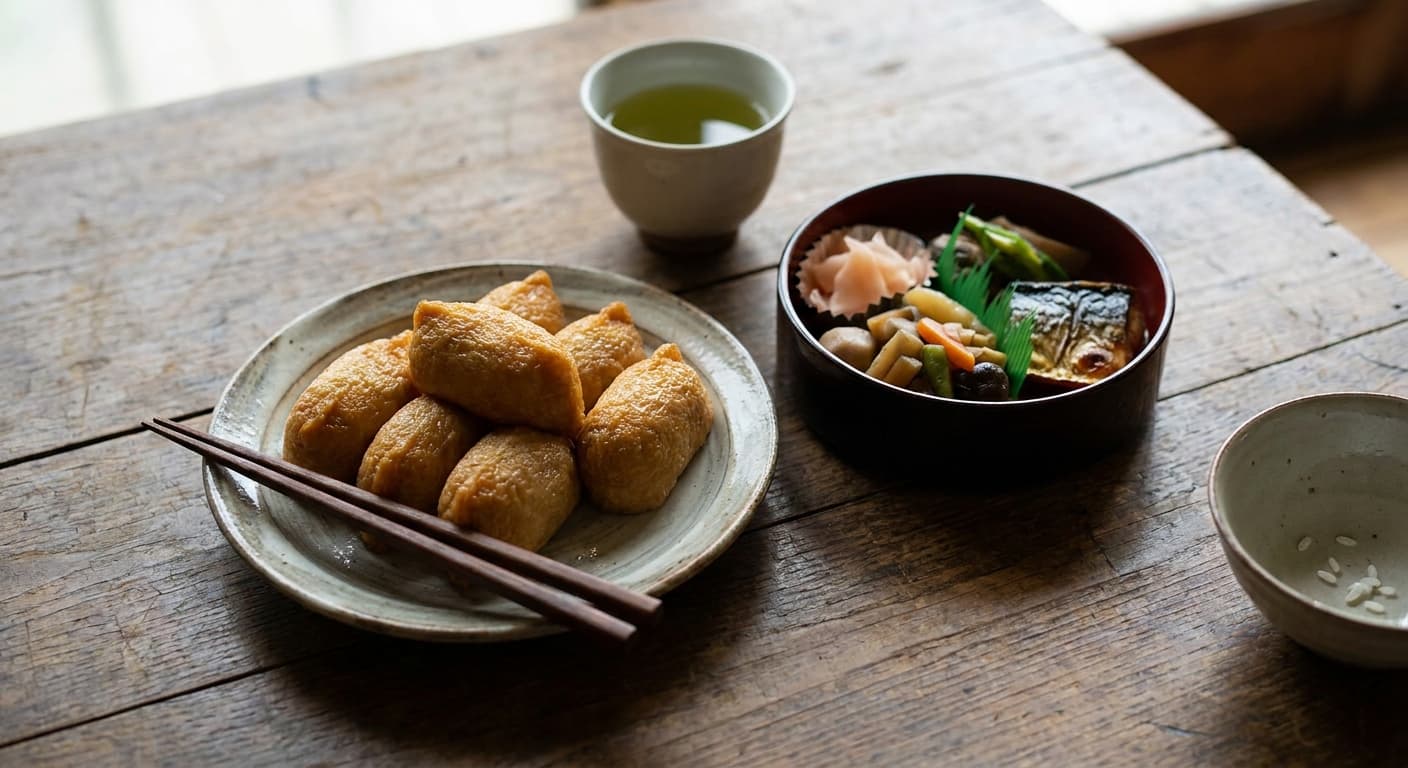
Printable Recipe Card
Servings: 4 · Total: 80 min · Difficulty: medium
Ingredients (quick list)
- 300 g Japanese short-grain white rice
- 360 ml water
- 5 g dried kombu (optional, removed before cooking)
- 60 ml rice vinegar
- 59 g granulated sugar (24 g for sushi rice seasoning, 35 g for simmering tofu pouches)
- 7 g fine sea salt
- 8 aburaage tofu pockets (rectangular fried tofu sheets, preferably pre-cut for inarizushi)
- 1 l boiling water (for removing excess surface oil)
- 300 ml kombu dashi
- 45 ml Japanese soy sauce
- 45 ml hon-mirin
- 9 g toasted white sesame seeds
Steps (summary)
- Rinse the rice in several changes of cold water until the water runs mostly clear, then drain it in a fine sieve for 20 minutes…
- Cook the rice according to your rice cooker setting, or bring it to a boil in a covered saucepan, reduce the heat to very low,…
- While the rice cooks, combine the rice vinegar, 24 g sugar, and salt in a small saucepan. Warm over low heat for 1 to 2 minutes…
- Place the aburaage tofu pockets in a heatproof bowl and pour 1 l boiling water over them to remove excess frying oil. Drain the…
- Combine the kombu dashi, soy sauce, hon-mirin, and 35 g sugar in a wide saucepan, then bring the mixture to a gentle simmer. Ad…
- Turn the tofu pockets once, then continue simmering for 8 to 10 minutes until they are glossy and the liquid has reduced but no…
+ 2 more steps in the full instructions section below.
Cultural Background
Named for Inari, a deity associated with rice and fox messengers in Japanese belief, inarizushi links tofu, rice, and everyday hospitality. Its portability made it a favorite for bento, theater snacks, outings, and family tables.
Equipment
💡 Tips
- Do not skip the hot-water rinse for the aburaage, because removing excess oil helps the tofu absorb the sweet soy simmering liquid cleanly.
- Season the rice while it is hot, then cool it to warm room temperature before filling so the grains stay glossy and separate.
- Press the rice lightly into the pockets; overpacking makes the tofu split and gives the sushi a heavy texture.
⚠️ Common Mistakes
❌ Filling the tofu pockets while the rice is hot.
✅ Fix: Cool the seasoned rice until just warm, because hot rice steams the tofu and can make the pockets soggy or fragile.
❌ Boiling the aburaage hard in the seasoning liquid.
✅ Fix: Keep the liquid at a gentle simmer so the tofu absorbs flavor without tearing or becoming rubbery.
❌ Mashing the sushi rice during seasoning.
✅ Fix: Use cutting and folding motions with a rice paddle to keep the grains intact and glossy.
🧊 How to Store
Store inarizushi in an airtight container in the refrigerator for up to 24 hours. Let it stand at room temperature for 20 minutes before serving, since chilled sushi rice firms up. Do not reheat strongly or the tofu may toughen.
📅 Make Ahead
The tofu pockets can be simmered 1 day ahead and refrigerated in their cooking liquid. Cook and season the rice on the day of serving, then assemble within 2 hours for the best texture.
🍽️ Pairs Well With
- Pickled ginger
- miso soup
- cucumber sunomono
- tamagoyaki
- green tea.
Regional Variations
- Kanto-style inarizushi is often rectangular, with the tofu pouch wrapped around the rice like a small pillow.
- Kansai-style inarizushi is commonly triangular, said to evoke the ears of a fox associated with Inari shrines.
- Gomoku inari includes small amounts of simmered carrot, shiitake mushroom, lotus root, or hijiki mixed into the sushi rice.
Ingredients
- 300 gJapanese short-grain white rice
- 360 mlwater
- 5 gdried kombu (optional, removed before cooking)
- 60 mlrice vinegar
- 59 ggranulated sugar (24 g for sushi rice seasoning, 35 g for simmering tofu pouches)
- 7 gfine sea salt
- 8aburaage tofu pockets (rectangular fried tofu sheets, preferably pre-cut for inarizushi)
- 1 lboiling water (for removing excess surface oil)
- 300 mlkombu dashi
- 45 mlJapanese soy sauce
- 45 mlhon-mirin
- 9 gtoasted white sesame seeds
🔄 Substitutions
- Japanese soy sauce→ gluten-free tamari
- hon-mirin→ alcohol-free mirin-style seasoning
- kombu dashi→ water with 3 g kombu powder
Instructions
- 1
Rinse the rice in several changes of cold water until the water runs mostly clear, then drain it in a fine sieve for 20 minutes. Put the drained rice, 360 ml water, and kombu in a rice cooker or heavy saucepan, and let it soak for 20 minutes before cooking.
- 2
Cook the rice according to your rice cooker setting, or bring it to a boil in a covered saucepan, reduce the heat to very low, and cook for 12 minutes. Turn off the heat and let the rice steam, covered and undisturbed, for 10 minutes before removing and discarding the kombu.
- 3
While the rice cooks, combine the rice vinegar, 24 g sugar, and salt in a small saucepan. Warm over low heat for 1 to 2 minutes, stirring until the sugar and salt fully dissolve, then remove it from the heat and let it cool.
- 4
Place the aburaage tofu pockets in a heatproof bowl and pour 1 l boiling water over them to remove excess frying oil. Drain them after 1 minute, rinse briefly under warm water, and press gently between your palms or paper towels so the pockets are not waterlogged.
- 5
Combine the kombu dashi, soy sauce, hon-mirin, and 35 g sugar in a wide saucepan, then bring the mixture to a gentle simmer. Add the aburaage in a single layer if possible, cover with a drop lid or parchment circle, and simmer gently for 15 minutes.
- 6
Turn the tofu pockets once, then continue simmering for 8 to 10 minutes until they are glossy and the liquid has reduced but not disappeared. Transfer the pockets to a tray and let them cool until comfortable to handle, keeping 2 tbsp of the simmering liquid to moisten the rice if needed.
- 7
Tip the hot cooked rice into a wide bowl and sprinkle the vinegar seasoning evenly over it. Use a rice paddle to cut and fold the rice rather than mash it, then fold in the sesame seeds and fan the rice for 2 to 3 minutes until glossy and just warm.
- 8
Open each tofu pocket carefully with your fingertips, tucking any torn edges inward. Fill each pocket with about 90 g seasoned rice, fold the open edge over the rice, and place the inarizushi seam-side down so the sweet tofu surface looks smooth and plump.
🪪 Recipe Passport
Cultural Background
Named for Inari, a deity associated with rice and fox messengers in Japanese belief, inarizushi links tofu, rice, and everyday hospitality. Its portability made it a favorite for bento, theater snacks, outings, and family tables.
Regional Variations
Researched from multiple sources and validated by the Zaffaron editorial team. Every recipe is tested for accuracy, measurements, and cultural authenticity.
📚 Sources & Cultural References
- Shizuo Tsuji — Japanese Cooking: A Simple Art — (1980)
- Elizabeth Andoh — Washoku: Recipes from the Japanese Home Kitchen — (2005)
Sources cited by the Zaffaron editorial team during recipe research. Cultural and culinary references supporting authenticity claims.
Nutrition per serving
Pairs well with
If you enjoyed this recipe, here are a few related Zaffaron recipes to try next.
Does your family make this differently?
Every family has their own version. Maybe your grandmother adds a secret ingredient, or your aunt has a completely different technique. Preserve your family's version — with their name on it, forever.
You Might Also Like
Filled Onigiri (具入りおにぎり) — Japanese Rice Balls with Classic Fillings
Japanese · Rice Dishes · 60 min
Mochi (餅) — Traditional Pounded Glutinous Rice Cakes
Japanese · Side Dishes · 100 min
Buta no Kakuni (豚の角煮) — Japanese Soy-Braised Pork Belly
Japanese · Main Courses · 190 min
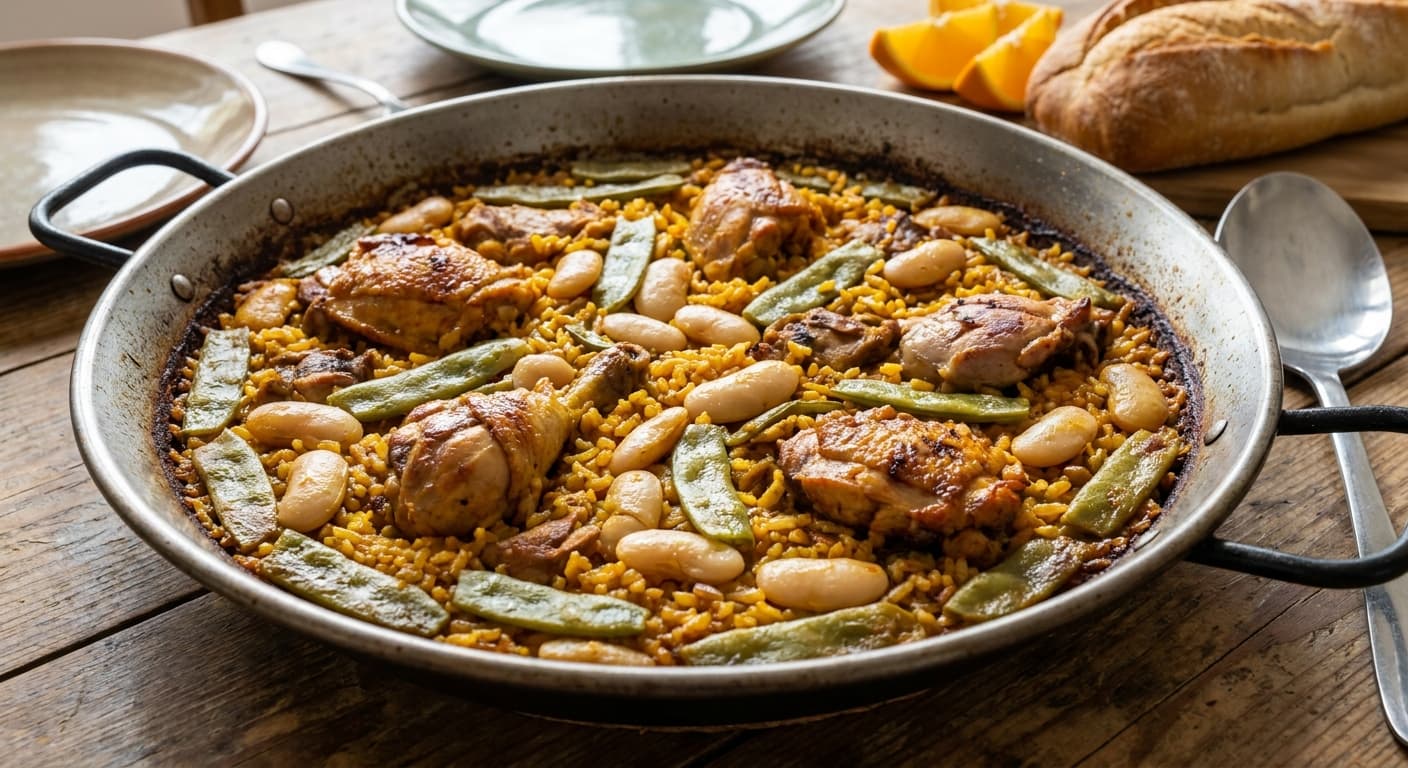
Valencian Paella (Paella Valenciana) — Saffron Rice with Rabbit, Chicken, and Beans
Spanish · Rice Dishes · 70 min
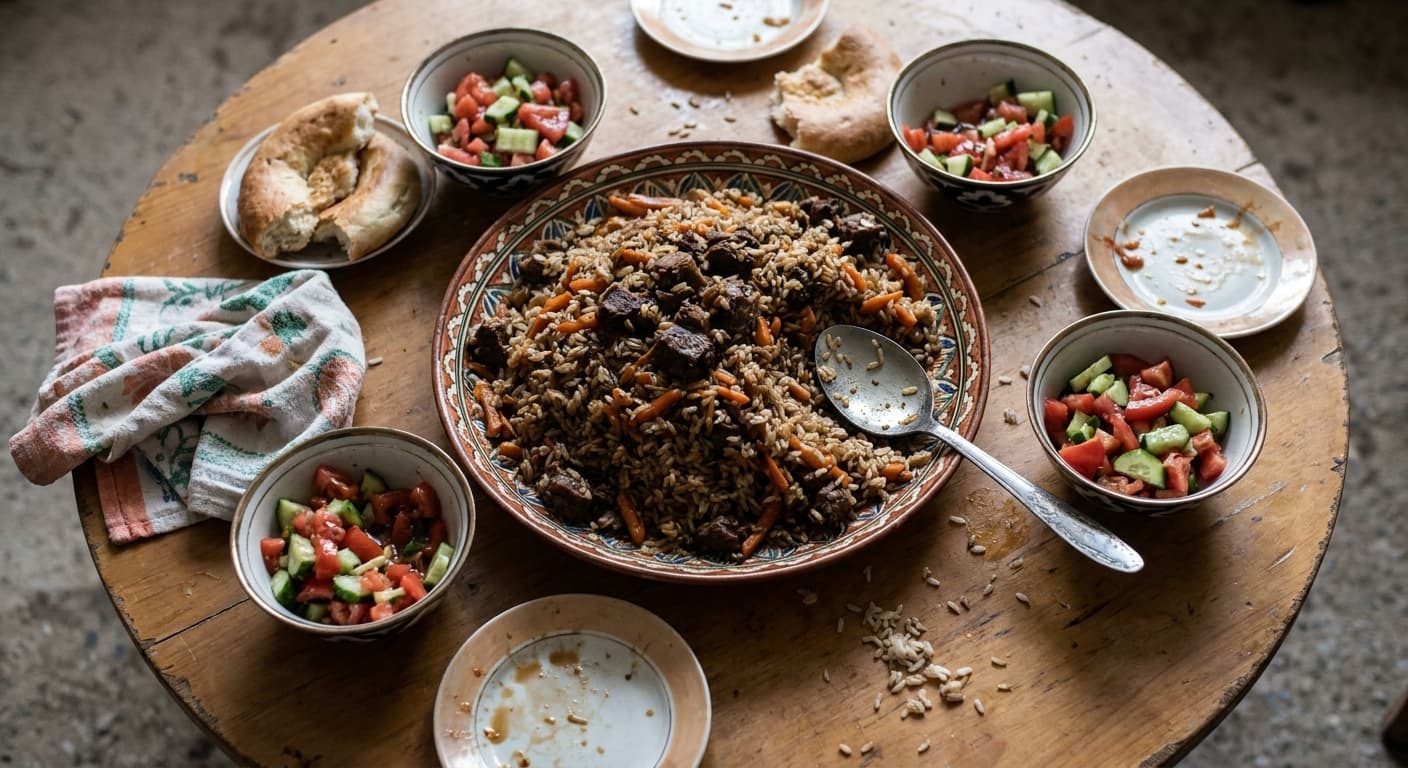
Oshi Siyoh (Оши сиёҳ) — Bukhara-Style Dark Pilaf
Tajik · Rice Dishes · 125 min
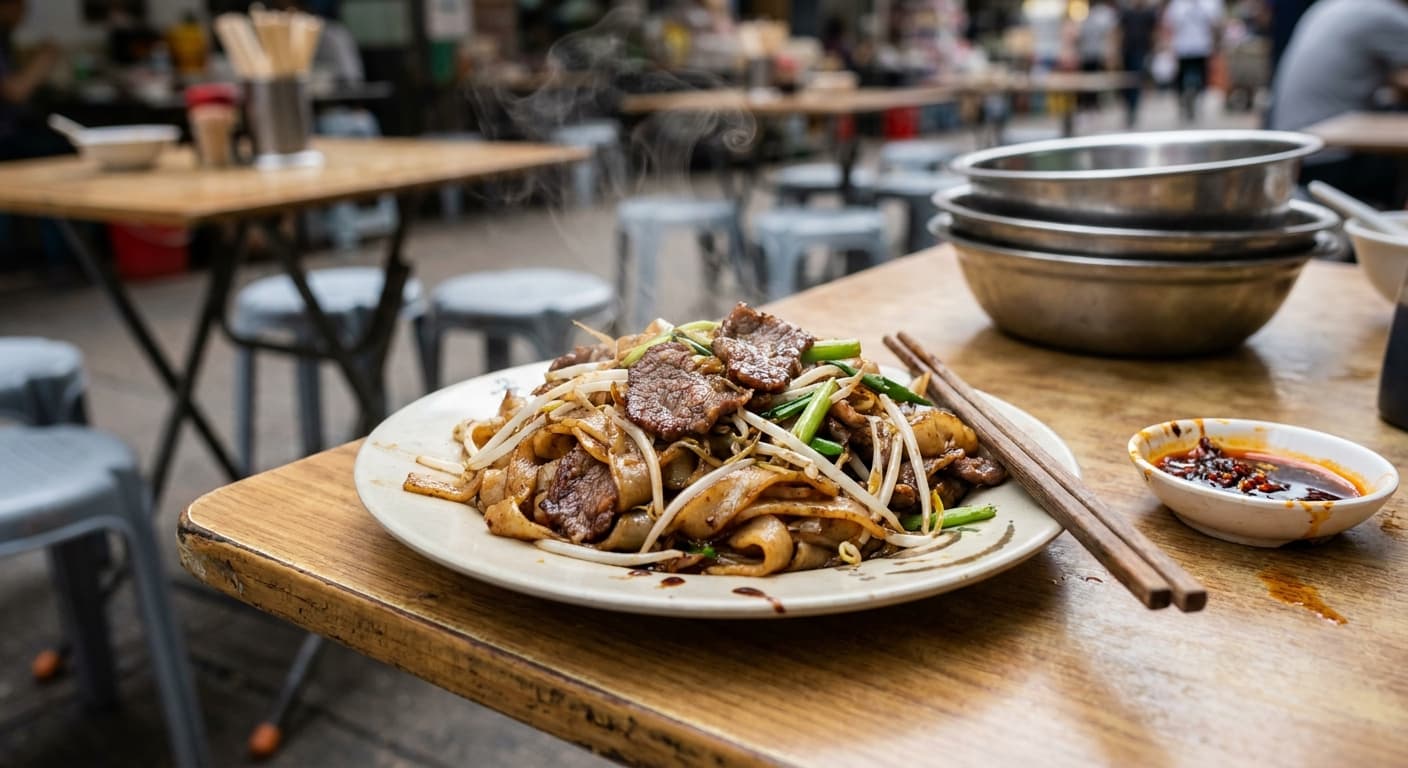
Beef Chow Fun (干炒牛河) — Cantonese Wok-Fried Rice Noodles with Beef
Chinese · Main Courses · 33 min
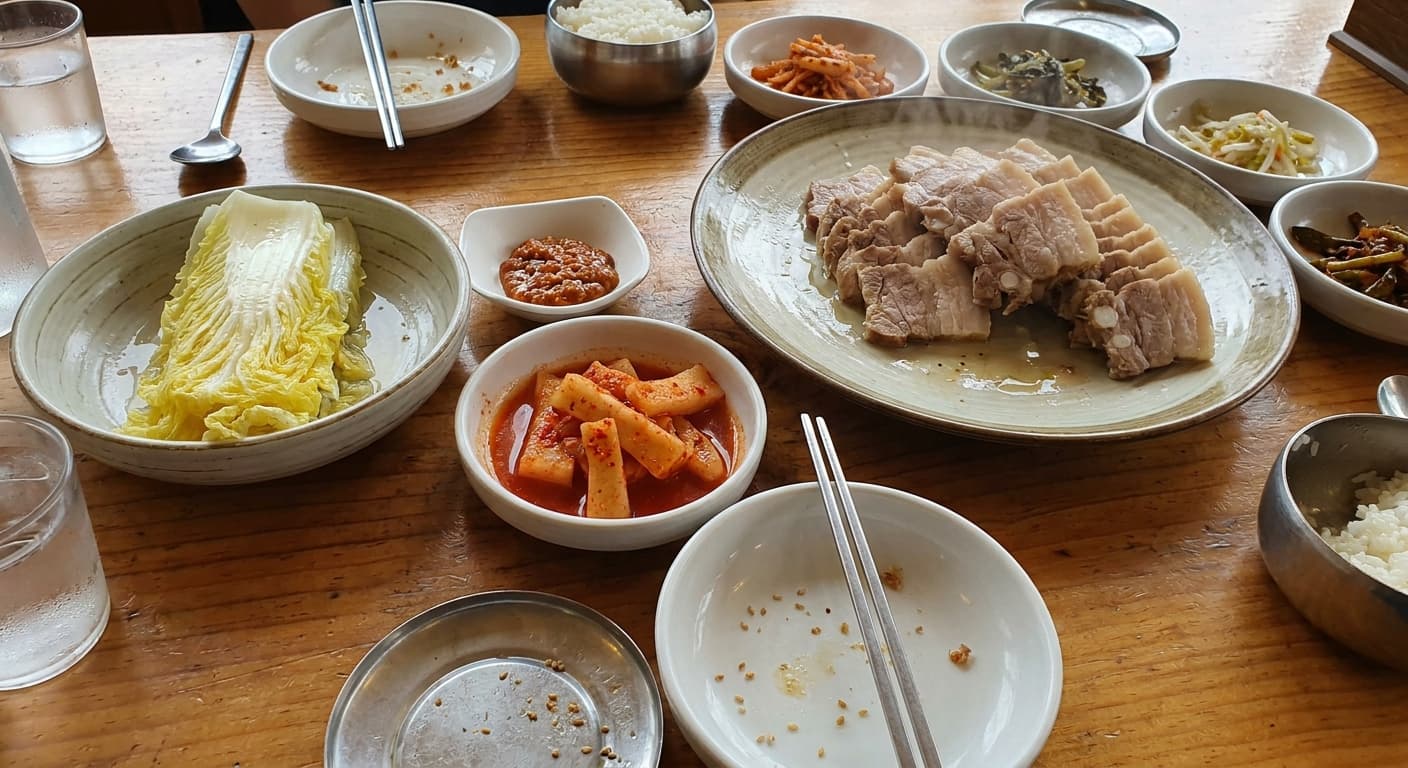
Bossam (보쌈) — Korean Boiled Pork Lettuce Wraps
Korean · Main Courses · 135 min
Shojin Ryori Dashi (精進料理だし) — Buddhist Temple Kombu-Shiitake Stock
Japanese · Soups · 25 min
Reviews
Cooked this recipe?
Tap the stars to rate it — that's all it takes. A few words are welcome but optional.
No ratings yet. Cooked this one? Be the first to rate it — it takes one tap.