Vasilopita (Βασιλόπιτα) — Greek New Year’s Sweet Cake with a Coin
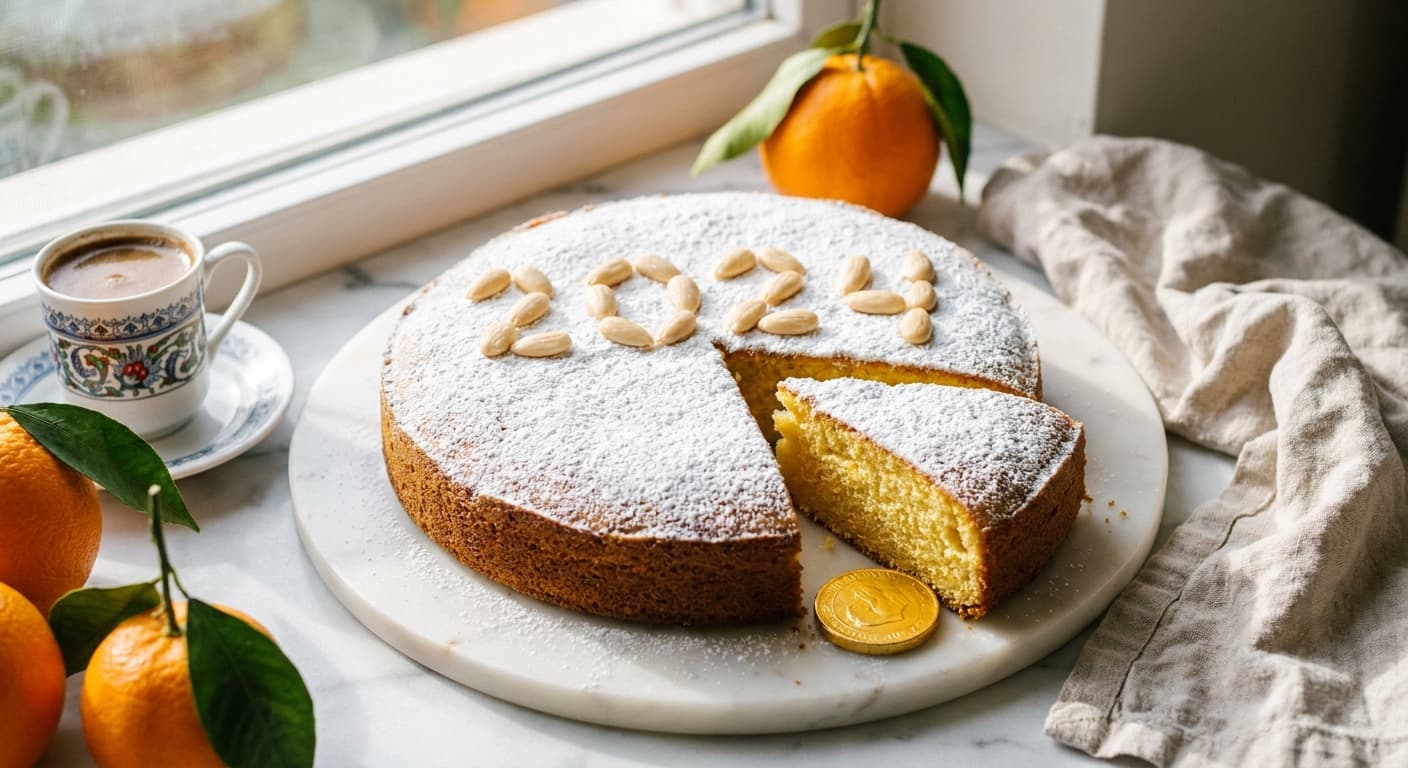
Vasilopita is Greece’s beloved New Year’s cake, traditionally baked for St. Basil’s Day and sliced to bring luck. A coin is hidden inside, and whoever finds it is said to receive good fortune for the year ahead.
Printable Recipe Card
Servings: 12 · Total: 80 min · Difficulty: medium
Ingredients (quick list)
- 250 g unsalted butter, softened
- 300 g granulated sugar
- 5 eggs (large, room temperature)
- 240 ml whole milk (room temperature)
- 420 g all-purpose flour
- 12 g baking powder (about 3 tsp)
- 3 g fine salt (about 1/2 tsp)
- 2 tbsp orange zest (finely grated, from about 2 oranges)
- 60 ml fresh orange juice
- 10 ml vanilla extract (about 2 tsp)
- 2 g ground mahleb (about 1 tsp)
- 1 g ground mastic (about 1/2 tsp, optional but traditional)
+ 3 more in the full ingredients section below.
Steps (summary)
- Heat the oven to 170°C and set a rack in the center. Grease a 26 cm round cake pan and line the base with parchment, then greas…
- Whisk the flour, baking powder, and salt together in a bowl until evenly combined. If using mahleb and mastic, whisk them into…
- In a stand mixer (or with a hand mixer), beat the butter and granulated sugar on medium-high speed for 4–5 minutes until very p…
- Add the eggs one at a time, beating for about 20 seconds after each addition. If the mixture looks slightly curdled, keep mixin…
- Mix in the orange zest, orange juice, and vanilla extract until fragrant and fully incorporated. Pour in the milk and mix on lo…
- Add the dry ingredients in two additions, mixing on low speed only until no dry flour remains. Fold in the chopped almonds (if…
+ 3 more steps in the full instructions section below.
Cultural Background
Baked for New Year’s and St. Basil’s Day, Vasilopita is cut in a set order—often for the home, the poor, and each family member. The hidden coin symbolizes blessings and luck, turning dessert into a cherished ritual of the season.
Equipment
💡 Tips
- Use room-temperature butter, eggs, and milk to prevent the batter from splitting and to create a finer crumb.
- Place the coin near the outer third of the cake so it’s easier to find without cutting directly through it.
- For a brighter citrus profile, rub the orange zest into the sugar for 30 seconds before creaming with butter.
⚠️ Common Mistakes
❌ Overmixing after adding flour, leading to a tough cake.
✅ Fix: Mix on low only until the last streak of flour disappears, then finish with gentle folding.
❌ Cake browns too fast while the center stays underbaked.
✅ Fix: Bake on the middle rack at 170°C and tent loosely with foil after 35–40 minutes if needed.
❌ Coin shifts or becomes exposed during baking.
✅ Fix: Place it into the first half of batter and cover fully, keeping it away from the center and the pan wall.
🧊 How to Store
Store tightly wrapped at room temperature for up to 3 days to keep the crumb tender. For longer storage, refrigerate up to 6 days and bring to room temperature before serving, or freeze slices up to 2 months and thaw overnight in the fridge.
📅 Make Ahead
Bake the cake 1 day ahead, cool completely, and wrap tightly to let the flavors meld. Dust with powdered sugar shortly before serving so the top stays bright and not absorbed.
🍽️ Pairs Well With
- Greek coffee
- hot tea
- orange preserves
- lightly sweetened whipped cream.
Regional Variations
- Some Greek households glaze Vasilopita with a thin orange-sugar syrup for extra moisture and shine.
- In parts of northern Greece, a yeast-raised, bread-like Vasilopita is made instead of a cake version.
- Many families decorate the top with blanched almonds to form the year’s numbers before dusting with sugar.
Ingredients
- 250 gunsalted butter, softened
- 300 ggranulated sugar
- 5eggs (large, room temperature)
- 240 mlwhole milk (room temperature)
- 420 gall-purpose flour
- 12 gbaking powder (about 3 tsp)
- 3 gfine salt (about 1/2 tsp)
- 2 tbsporange zest (finely grated, from about 2 oranges)
- 60 mlfresh orange juice
- 10 mlvanilla extract (about 2 tsp)
- 2 gground mahleb (about 1 tsp)
- 1 gground mastic (about 1/2 tsp, optional but traditional)
- 60 gblanched almonds, chopped (optional)
- 40 gpowdered sugar
- 1coin (wrap tightly in aluminum foil and wash before wrapping)
🔄 Substitutions
- ground mahleb→ ground cardamom
- ground mastic→ additional vanilla extract (5 ml)
- whole milk→ 2% milk
Instructions
- 1
Heat the oven to 170°C and set a rack in the center. Grease a 26 cm round cake pan and line the base with parchment, then grease the parchment as well for easy release.
- 2
Whisk the flour, baking powder, and salt together in a bowl until evenly combined. If using mahleb and mastic, whisk them into the dry mix so they disperse without clumping.
- 3
In a stand mixer (or with a hand mixer), beat the butter and granulated sugar on medium-high speed for 4–5 minutes until very pale and fluffy. Scrape down the bowl twice so the mixture aerates evenly, which helps the cake rise with a fine crumb.
- 4
Add the eggs one at a time, beating for about 20 seconds after each addition. If the mixture looks slightly curdled, keep mixing and it will smooth out once the flour is added.
- 5
Mix in the orange zest, orange juice, and vanilla extract until fragrant and fully incorporated. Pour in the milk and mix on low speed just until combined, then stop to avoid overworking the batter.
- 6
Add the dry ingredients in two additions, mixing on low speed only until no dry flour remains. Fold in the chopped almonds (if using) with a spatula, using gentle strokes to keep the batter airy.
- 7
Spread half the batter into the prepared pan and smooth the surface. Press the foil-wrapped coin into the batter near the edge (not the center) and cover it completely, then add the remaining batter and smooth again.
- 8
Bake for 50–60 minutes, rotating the pan once at the 35-minute mark for even color. The cake is done when a skewer inserted in the center comes out clean and the top is deep golden.
- 9
Cool the cake in the pan for 15 minutes, then turn it out onto a rack and cool completely. Dust with powdered sugar before serving, and slice ceremonially so everyone has a fair chance at the coin.
🪪 Recipe Passport
Cultural Background
Baked for New Year’s and St. Basil’s Day, Vasilopita is cut in a set order—often for the home, the poor, and each family member. The hidden coin symbolizes blessings and luck, turning dessert into a cherished ritual of the season.
Regional Variations
Researched from multiple sources and validated by the Zaffaron editorial team. Every recipe is tested for accuracy, measurements, and cultural authenticity.
Nutrition per serving
Pairs well with
If you enjoyed this recipe, here are a few related Zaffaron recipes to try next.
- Baklava (Μπακλαβάς) — Greek Walnut and Honey Phyllo Pastry
- Fasolada (Φασολάδα) — Greek White Bean Soup with Tomato and Olive Oil
- Greek Green Beans in Olive Oil (Φασολάκια λαδερά) — Tender green beans braised with tomato and extra-virgin olive oil
- Horta Vrasta (Χόρτα Βραστά) — Greek boiled wild greens with olive oil and lemon
Does your family make this differently?
Every family has their own version. Maybe your grandmother adds a secret ingredient, or your aunt has a completely different technique. Preserve your family's version — with their name on it, forever.
You Might Also Like
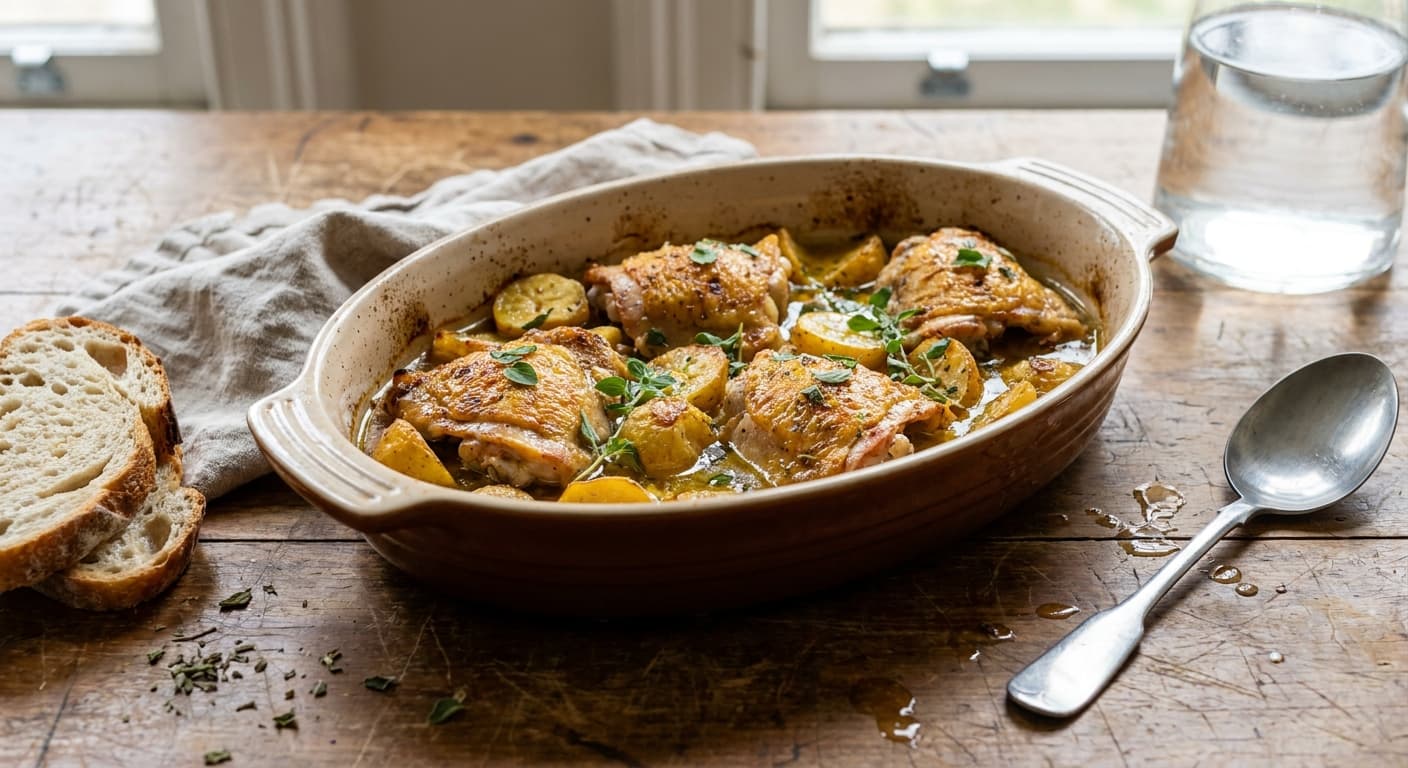
Kotopoulo Lemonato (Κοτόπουλο Λεμονάτο) — Greek Lemon Chicken with Potatoes
Greek · Main Courses · 105 min
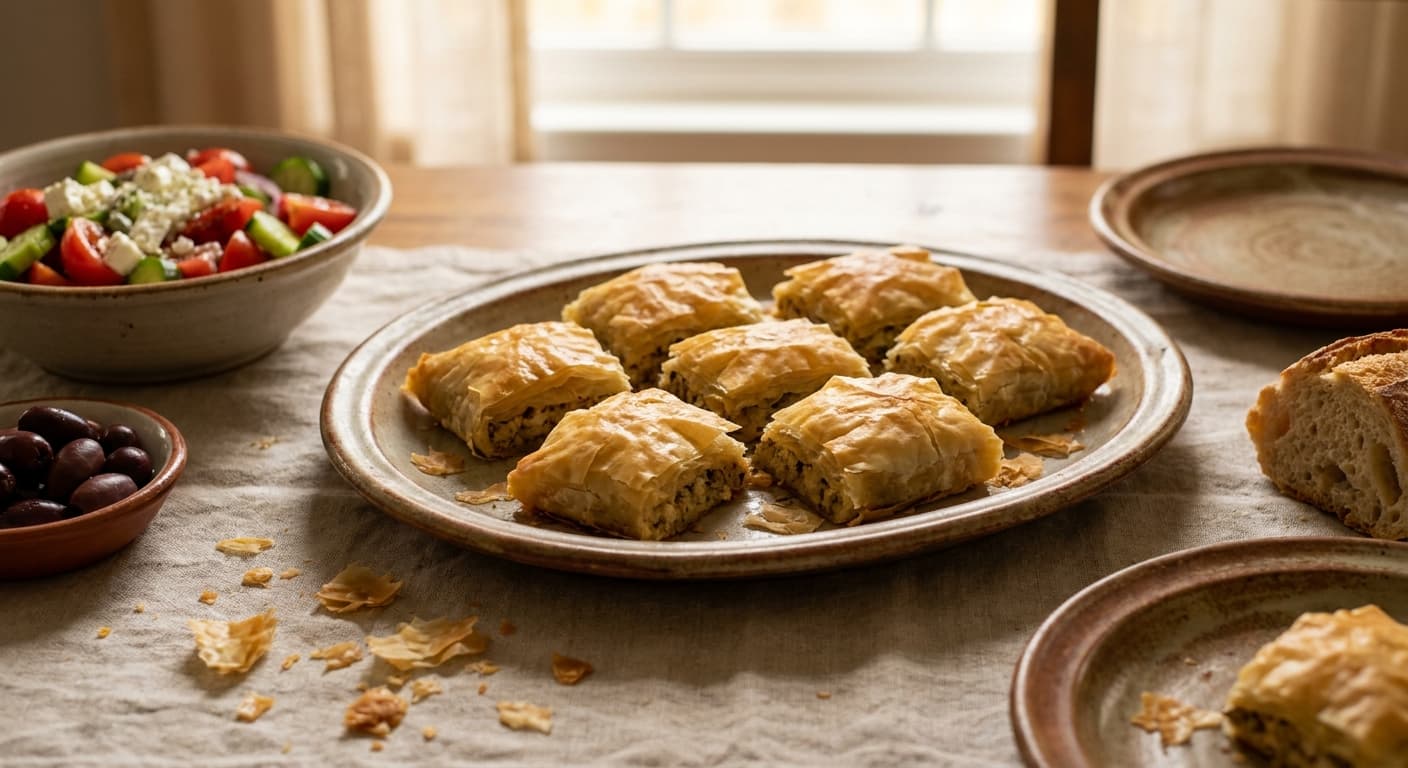
Kotopita (Κοτόπιτα) — Greek Chicken Phyllo Pie
Greek · Main Courses · 130 min
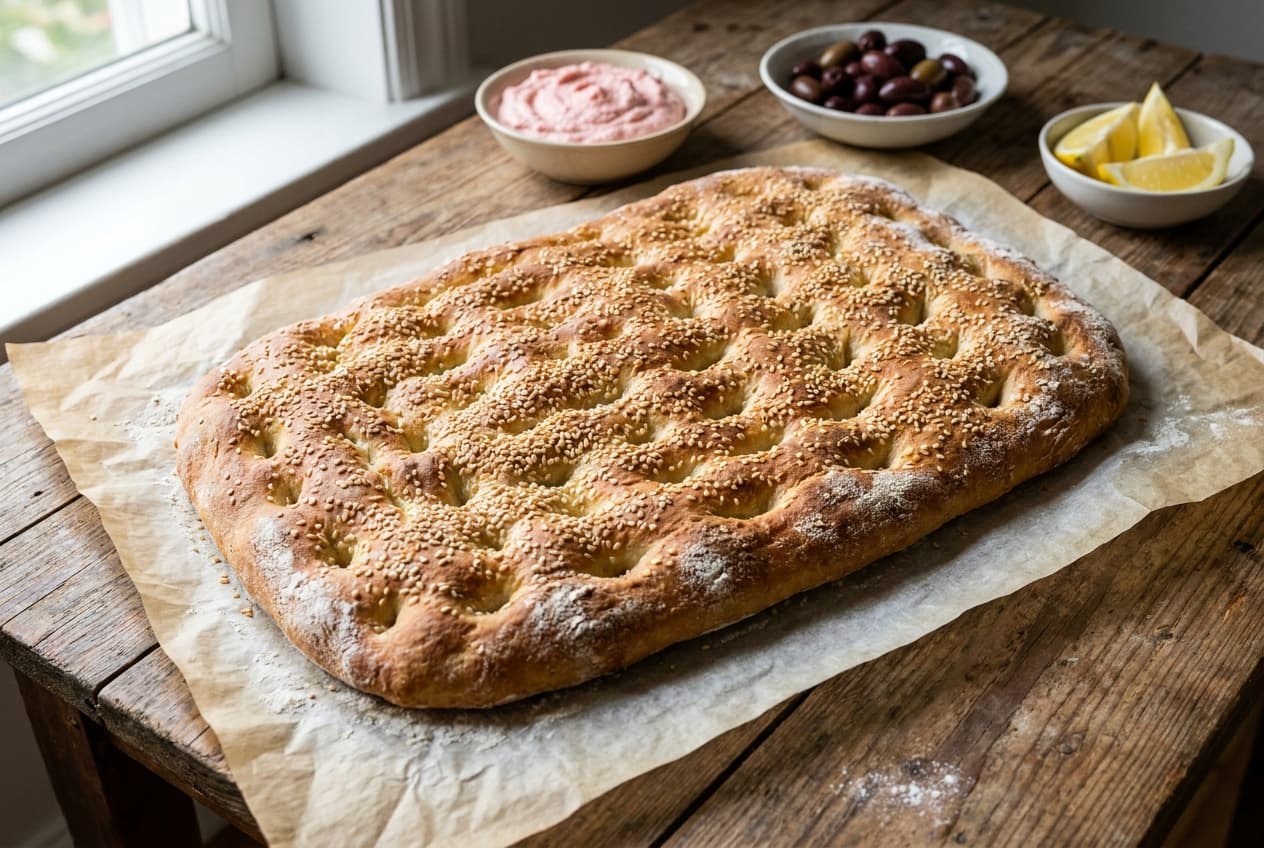
Lagana (Λαγάνα) — Clean Monday Sesame Flatbread
Greek · Breads · 43 min
Tiramisu (Tiramisù) — Classic Coffee-Mascarpone Layered Dessert
Italian · Desserts · 35 min
Kurumi Shiruko (くるみ汁粉) — Sendai-Style Sweet Walnut Azuki Soup with Mochi
Japanese · Desserts · 120 min
Lebanese Tabbouleh (تبولة لبنانية) — Parsley Bulgur Herb Salad
Lebanese · Salads · 35 min
Keshkek (Keşkek) — Creamy Ceremonial Wheat and Lamb Stew
Turkish · Stews · 240 min
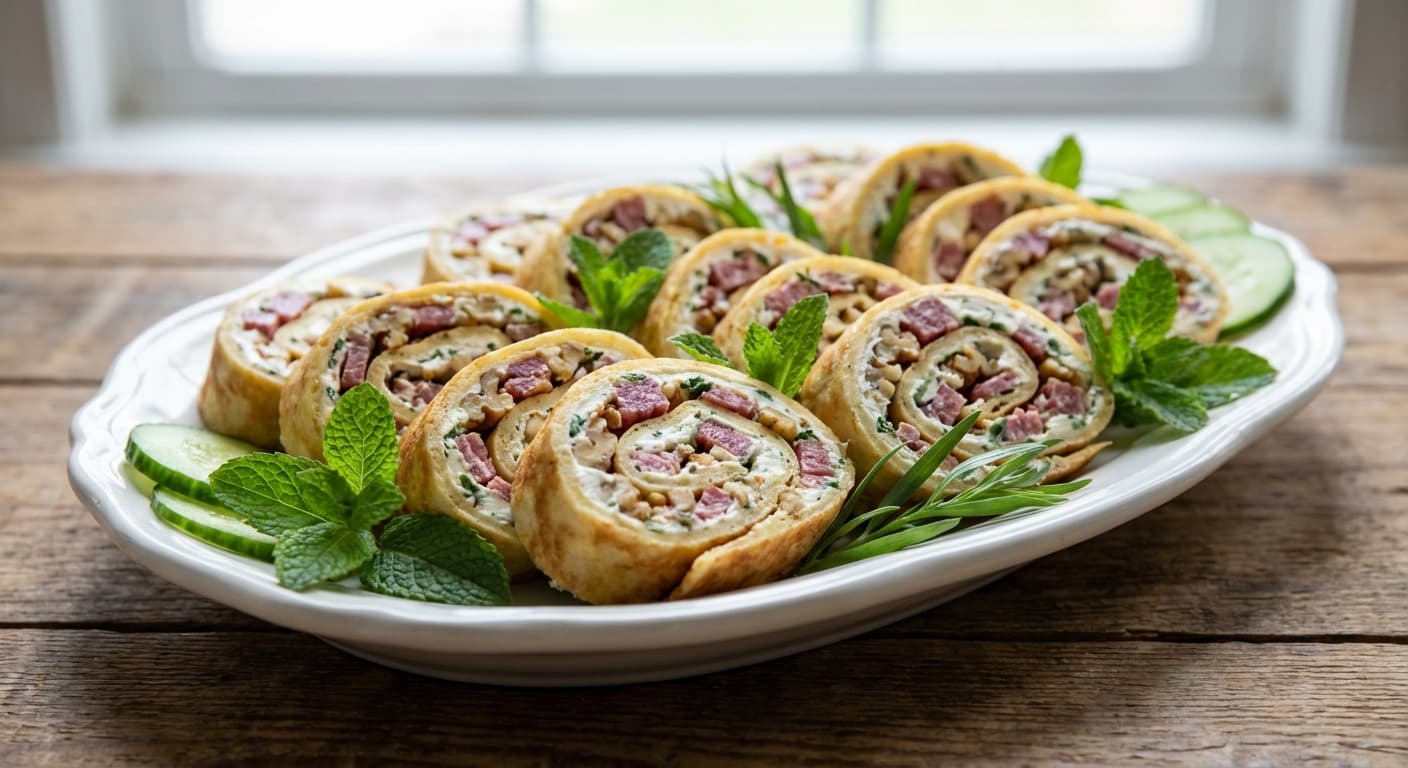
Roulat Panir (رولت پنیر) — Persian Savory Cheese & Walnut Crepe Rolls
Persian · Appetizers · 80 min
Reviews
Cooked this recipe?
Tap the stars to rate it — that's all it takes. A few words are welcome but optional.
No ratings yet. Cooked this one? Be the first to rate it — it takes one tap.