Jeyuk Bokkeum (제육볶음) — Spicy Korean Stir-Fried Pork
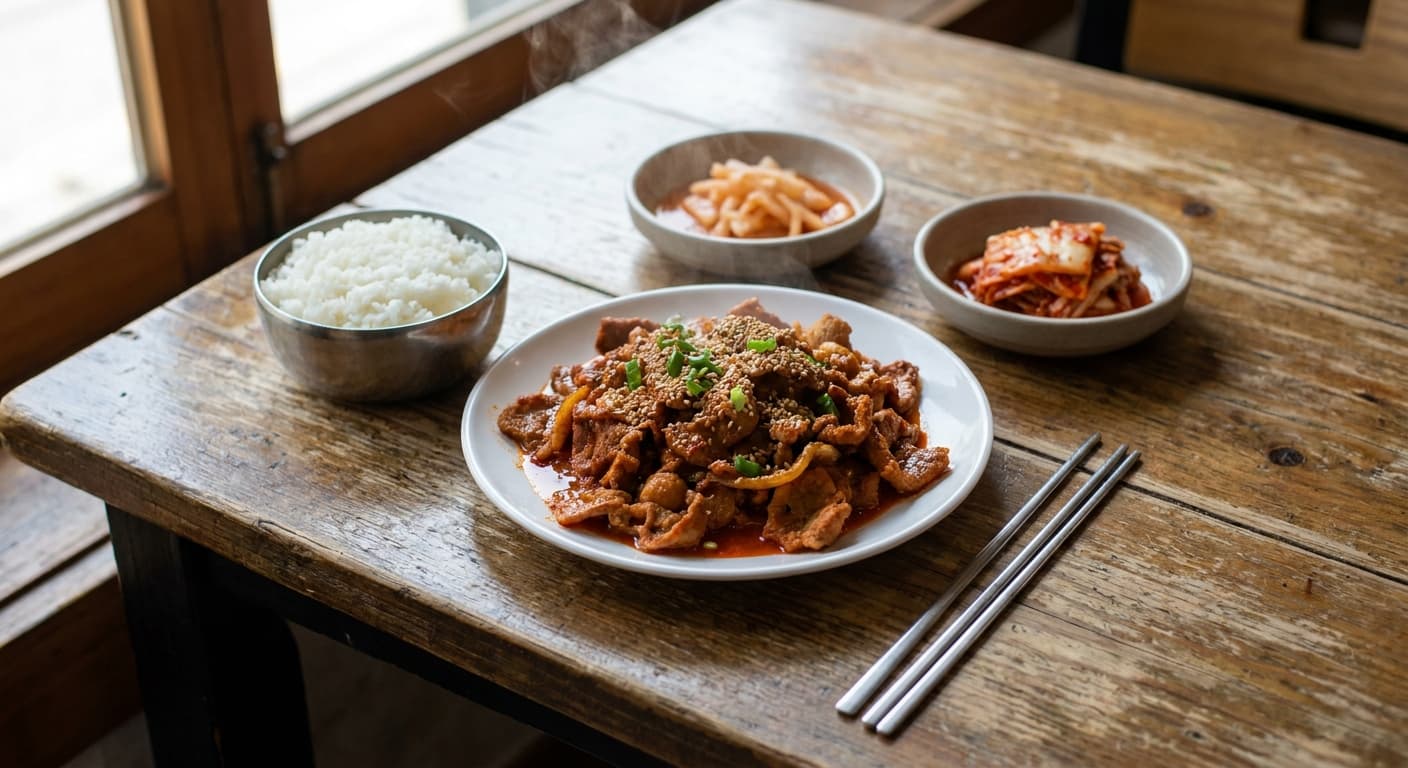
Jeyuk bokkeum is a Korean home-style spicy pork stir-fry built on gochujang, gochugaru, soy sauce, garlic, and sesame oil. It is a beloved bapsang main served hot with rice, kimchi, and simple banchan.
Printable Recipe Card
Servings: 4 · Total: 37 min · Difficulty: easy
Ingredients (quick list)
- 700 g pork shoulder (thinly sliced across the grain, 3 mm thick)
- 1 yellow onion (about 180 g, thinly sliced)
- 4 scallions (cut into 5 cm lengths)
- 120 g green cabbage (cut into bite-size squares)
- 1 Korean green chile (thinly sliced)
- 80 g gochujang
- 2 tbsp gochugaru (Korean red pepper flakes)
- 45 ml soy sauce
- 30 ml rice wine (Korean mirim or Japanese mirin)
- 120 g Asian pear (peeled and finely grated)
- 6 clove garlic (finely grated)
- 1 inch fresh ginger (peeled and finely grated)
+ 5 more in the full ingredients section below.
Steps (summary)
- If the pork is not already sliced for Korean barbecue, place it in the freezer for 20 minutes to firm it slightly. Slice the po…
- In a large bowl, combine the gochujang, gochugaru, soy sauce, rice wine, grated Asian pear, garlic, ginger, sugar, sesame oil,…
- Add the sliced pork, onion, scallions, cabbage, and green chile to the marinade. Mix thoroughly with a spoon or gloved hand unt…
- Heat a large cast-iron skillet or wok over medium-high heat for 2 minutes, then add the neutral oil. Add half of the marinated…
- Stir-fry the first batch for 5 to 6 minutes, scraping the pan as the gochujang marinade caramelizes at the edges. Transfer it t…
- Return all the pork to the pan and toss for 1 minute to combine the juices and glaze the meat. The sauce should cling to the po…
+ 1 more steps in the full instructions section below.
Cultural Background
Jeyuk bokkeum is everyday Korean comfort food, often appearing on a family bapsang or as hearty anju. Maangchi presents this style of spicy pork as practical home cooking built around gochujang, garlic, sesame, and rice.
Equipment
💡 Tips
- Use pork shoulder for the best balance of tenderness and fat; very lean pork loin can dry out quickly.
- Cook in batches if your pan is smaller than 30 cm, because crowding prevents the gochujang marinade from caramelizing.
- For a smoky restaurant-style edge, leave the pork undisturbed for 30 seconds at a time before tossing.
⚠️ Common Mistakes
❌ Crowding the pan with all the pork at once.
✅ Fix: Cook in two batches so moisture evaporates quickly and the gochujang sauce caramelizes instead of boiling.
❌ Marinating too long with kiwi or another strong tenderizer.
✅ Fix: Use Asian pear for longer marinating, or limit kiwi-marinated pork to 30 minutes to avoid a mushy texture.
❌ Using high heat after the sauce begins to thicken.
✅ Fix: Keep the pan at medium-high and scrape often, because the sugar and gochujang can scorch before the pork cooks through.
🧊 How to Store
Store leftovers in an airtight container in the refrigerator for up to 3 days. Reheat in a skillet over medium heat with 1 tbsp water for 3 to 4 minutes, stirring until hot and glossy.
📅 Make Ahead
Mix the marinade and slice the vegetables up to 1 day ahead. The pork can marinate overnight, but add cabbage just before cooking if you want it to remain crisp.
🍽️ Pairs Well With
- Steamed short-grain rice
- baechu kimchi
- lettuce leaves
- ssamjang
- cucumber muchim
- kongnamul muchim.
Regional Variations
- Dwaeji bulgogi is a closely related spicy marinated pork that may be grilled rather than stir-fried.
- Osam bulgogi combines pork with squid for a spicy surf-and-turf version popular in restaurants.
- Some home cooks add perilla leaves at the end for a herbal, slightly minty aroma.
Ingredients
- 700 gpork shoulder (thinly sliced across the grain, 3 mm thick)
- 1yellow onion (about 180 g, thinly sliced)
- 4scallions (cut into 5 cm lengths)
- 120 ggreen cabbage (cut into bite-size squares)
- 1Korean green chile (thinly sliced)
- 80 ggochujang
- 2 tbspgochugaru (Korean red pepper flakes)
- 45 mlsoy sauce
- 30 mlrice wine (Korean mirim or Japanese mirin)
- 120 gAsian pear (peeled and finely grated)
- 6 clovegarlic (finely grated)
- 1 inchfresh ginger (peeled and finely grated)
- 1 tbspgranulated sugar
- 1.5 tbsptoasted sesame oil
- 0.5 tspground black pepper
- 1 tbspneutral cooking oil
- 1 tbsptoasted sesame seeds
🔄 Substitutions
- pork shoulder→ pork belly
- Asian pear→ ripe kiwi, 30 g
- soy sauce→ gluten-free tamari
Instructions
- 1
If the pork is not already sliced for Korean barbecue, place it in the freezer for 20 minutes to firm it slightly. Slice the pork shoulder across the grain into 3 mm pieces so it cooks quickly and stays tender.
- 2
In a large bowl, combine the gochujang, gochugaru, soy sauce, rice wine, grated Asian pear, garlic, ginger, sugar, sesame oil, and black pepper. Stir until the sauce is smooth, glossy, and evenly seasoned with no dry pockets of pepper flakes.
- 3
Add the sliced pork, onion, scallions, cabbage, and green chile to the marinade. Mix thoroughly with a spoon or gloved hand until every slice of pork is coated, then cover and refrigerate for 30 minutes or up to 8 hours.
- 4
Heat a large cast-iron skillet or wok over medium-high heat for 2 minutes, then add the neutral oil. Add half of the marinated pork mixture in a single loose layer so the meat sears instead of steams.
- 5
Stir-fry the first batch for 5 to 6 minutes, scraping the pan as the gochujang marinade caramelizes at the edges. Transfer it to a warm plate, then cook the second batch for another 5 to 6 minutes until the pork is fully cooked and the vegetables are tender-crisp.
- 6
Return all the pork to the pan and toss for 1 minute to combine the juices and glaze the meat. The sauce should cling to the pork, the onions should be soft, and the edges should look lightly charred rather than wet.
- 7
Sprinkle with toasted sesame seeds and serve immediately while sizzling hot. Jeyuk bokkeum is best with steamed short-grain rice, kimchi, lettuce leaves for wrapping, and a few simple banchan.
🪪 Recipe Passport
Cultural Background
Jeyuk bokkeum is everyday Korean comfort food, often appearing on a family bapsang or as hearty anju. Maangchi presents this style of spicy pork as practical home cooking built around gochujang, garlic, sesame, and rice.
Regional Variations
Researched from multiple sources and validated by the Zaffaron editorial team. Every recipe is tested for accuracy, measurements, and cultural authenticity.
📚 Sources & Cultural References
- Maangchi — Maangchi's Big Book of Korean Cooking — (2019)
Sources cited by the Zaffaron editorial team during recipe research. Cultural and culinary references supporting authenticity claims.
Nutrition per serving
Pairs well with
If you enjoyed this recipe, here are a few related Zaffaron recipes to try next.
Does your family make this differently?
Every family has their own version. Maybe your grandmother adds a secret ingredient, or your aunt has a completely different technique. Preserve your family's version — with their name on it, forever.
You Might Also Like
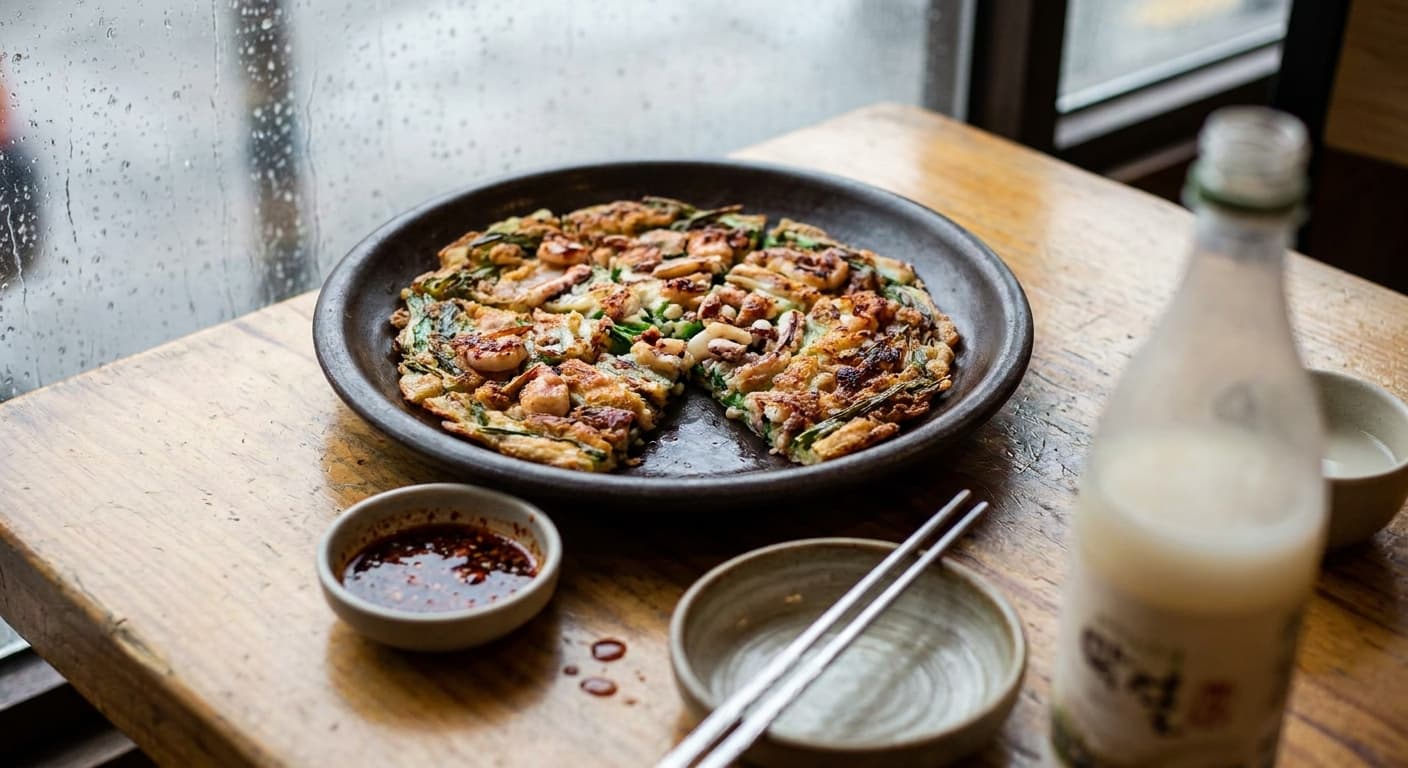
Haemul Pajeon (해물파전) — Korean Seafood Scallion Pancake
Korean · Appetizers · 41 min

Bulgogi (불고기) — Korean Soy-Marinated Grilled Beef
Korean · Main Courses · 37 min
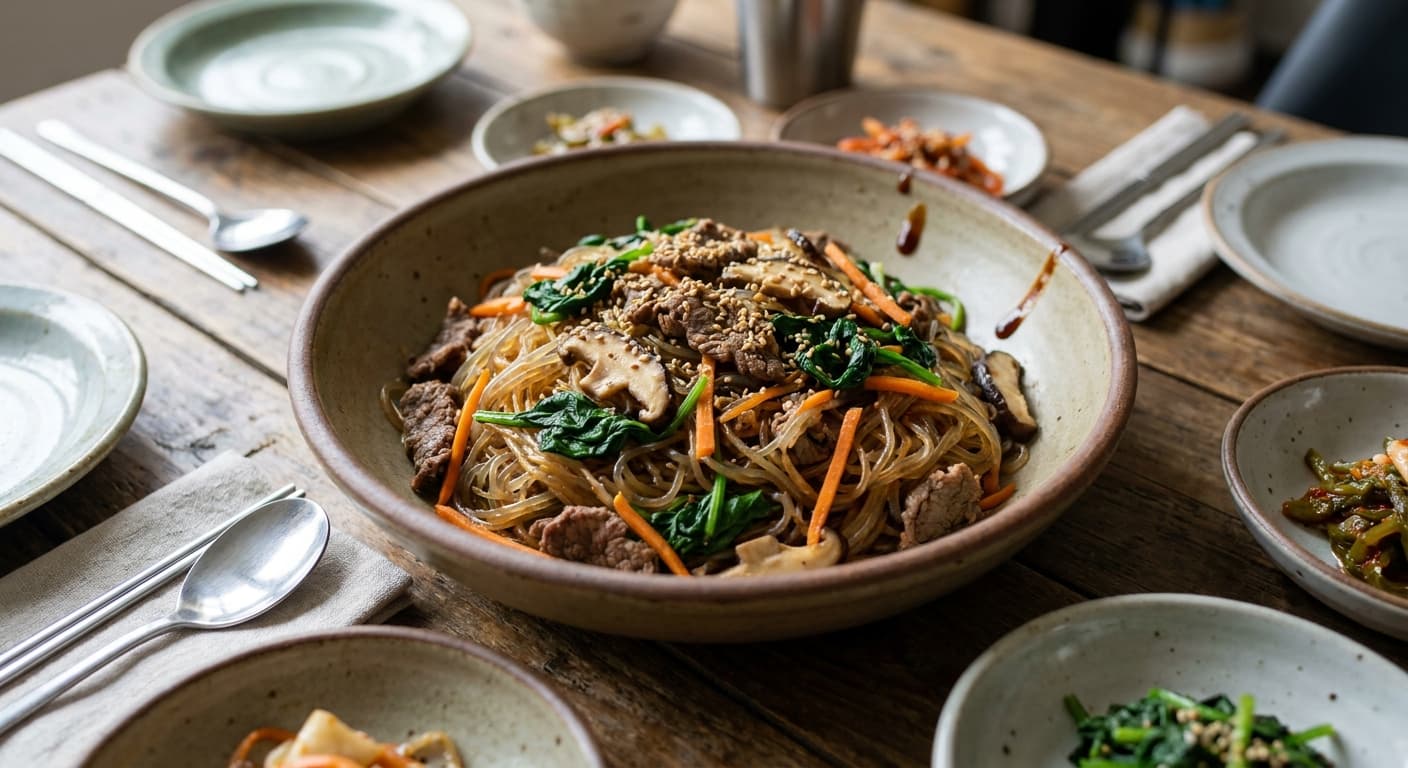
Japchae (잡채) — Korean Glass Noodles with Beef and Vegetables
Korean · Main Courses · 60 min
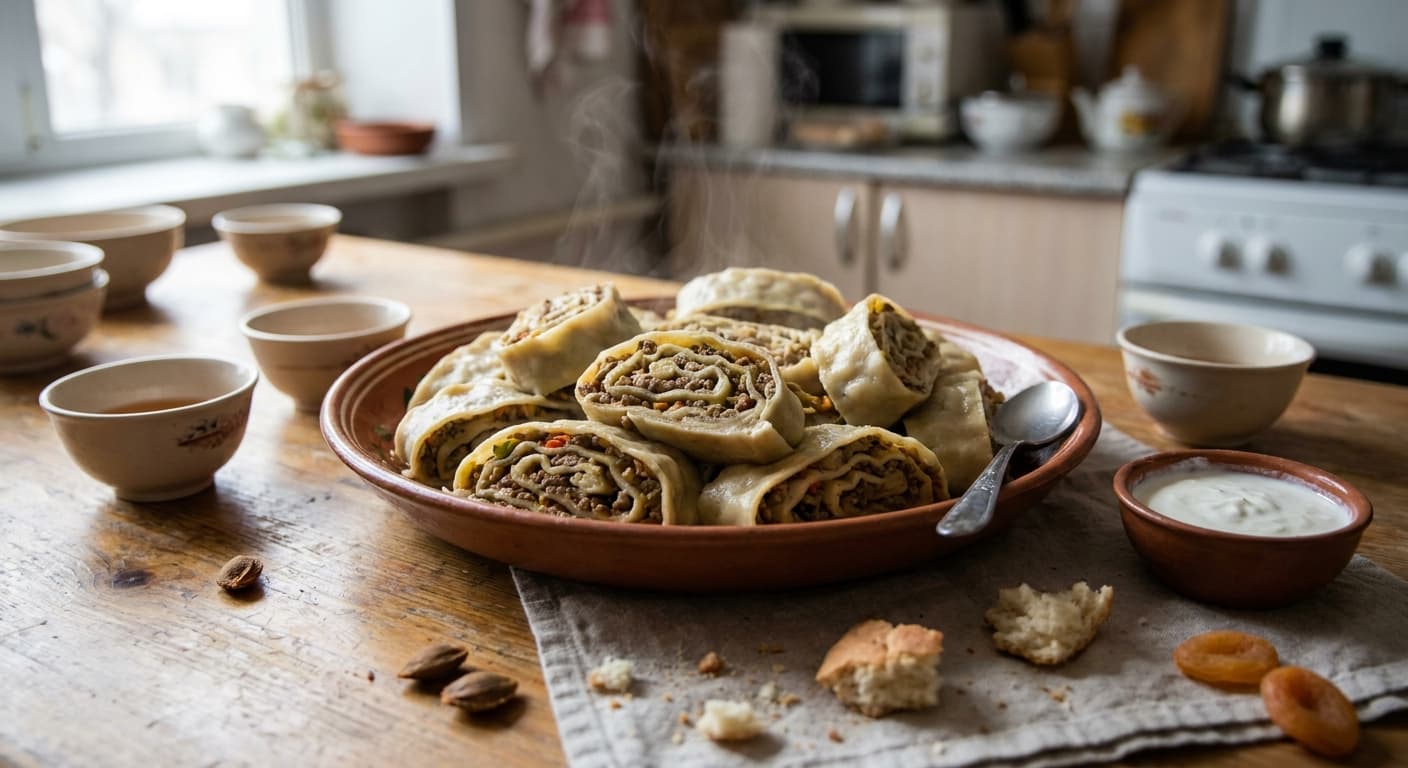
Orromo (Оромо) — Kyrgyz Steamed Rolled Dumpling with Lamb and Pumpkin
Kyrgyz · Main Courses · 105 min
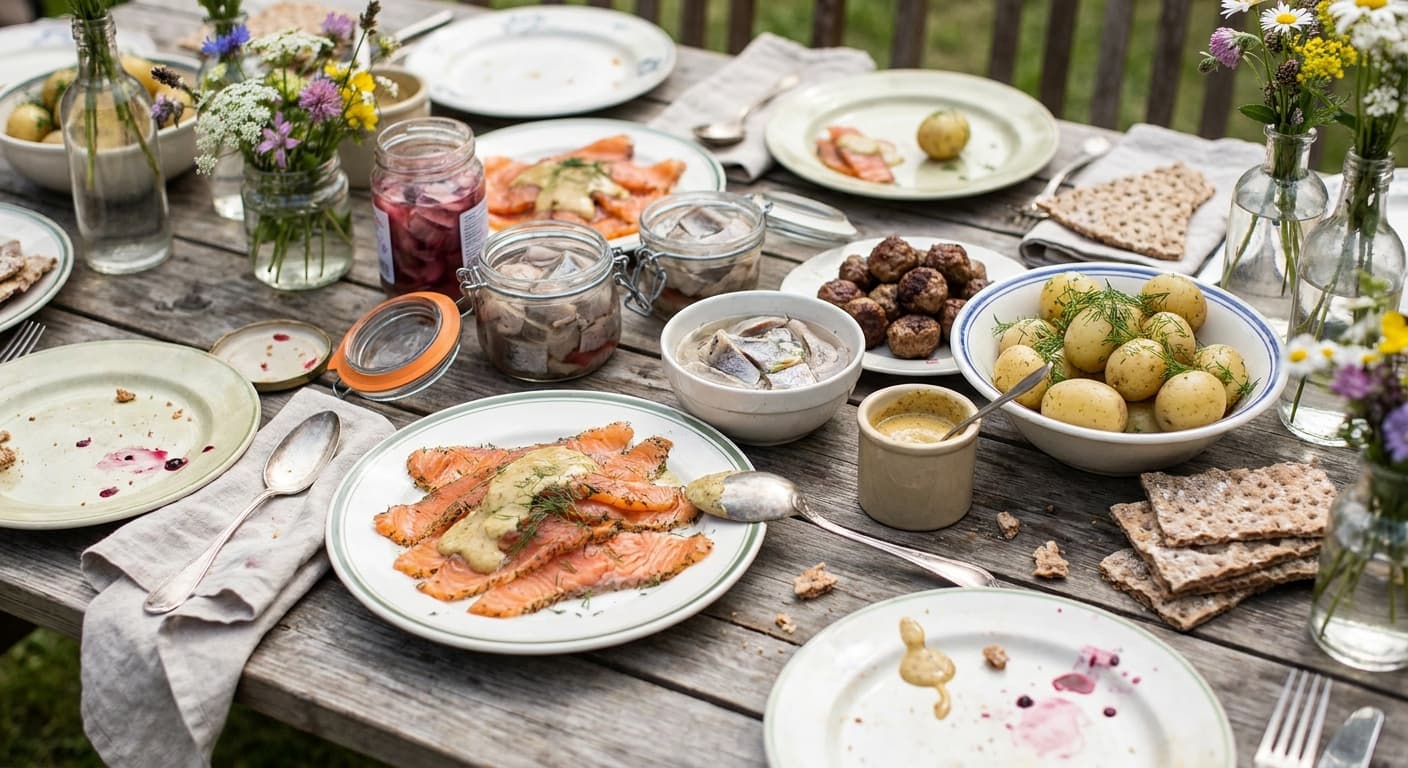
Swedish Smörgåsbord (Smörgåsbord) — Classic Buffet with Gravlax, Sill, and Köttbullar
Swedish · Main Courses · 115 min
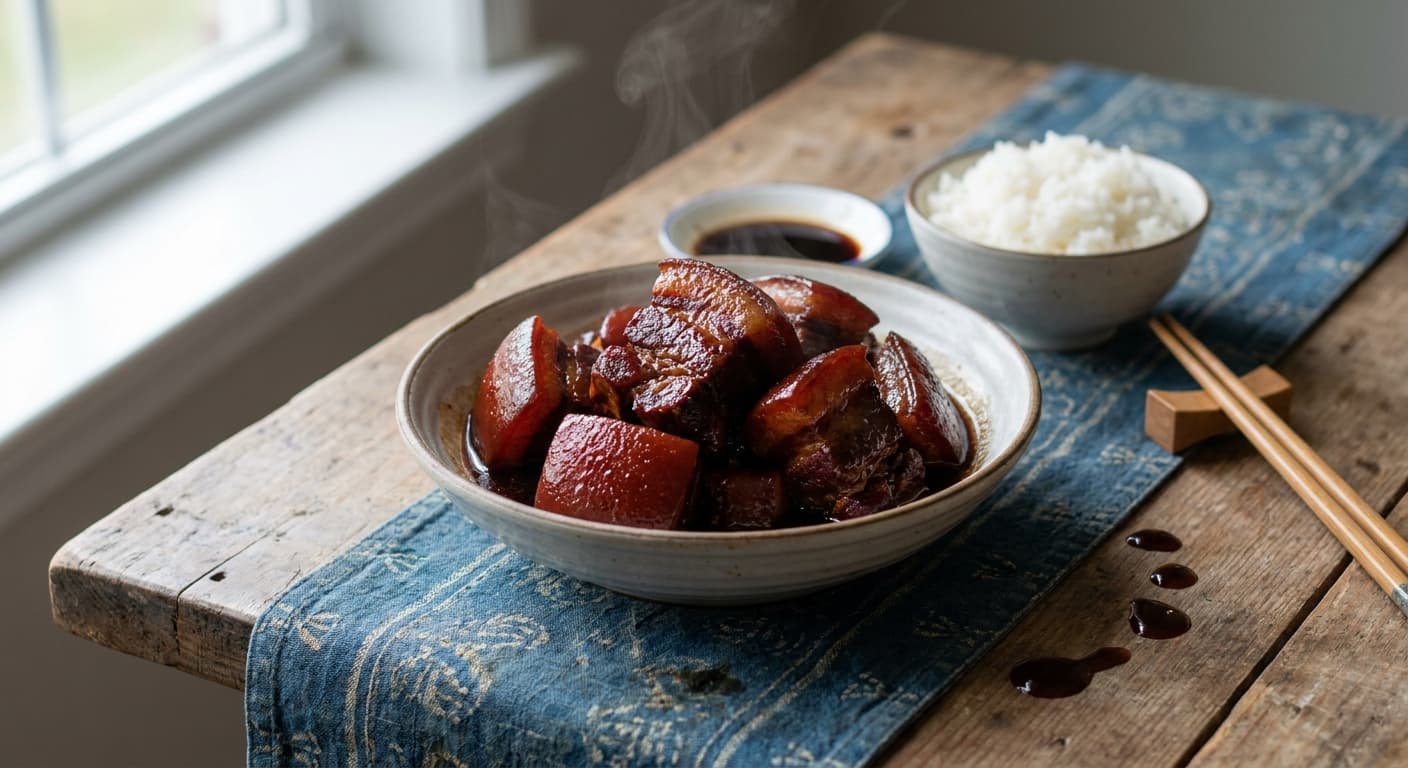
Dongpo Pork (东坡肉) — Hangzhou Red-Braised Pork Belly
Chinese · Main Courses · 205 min
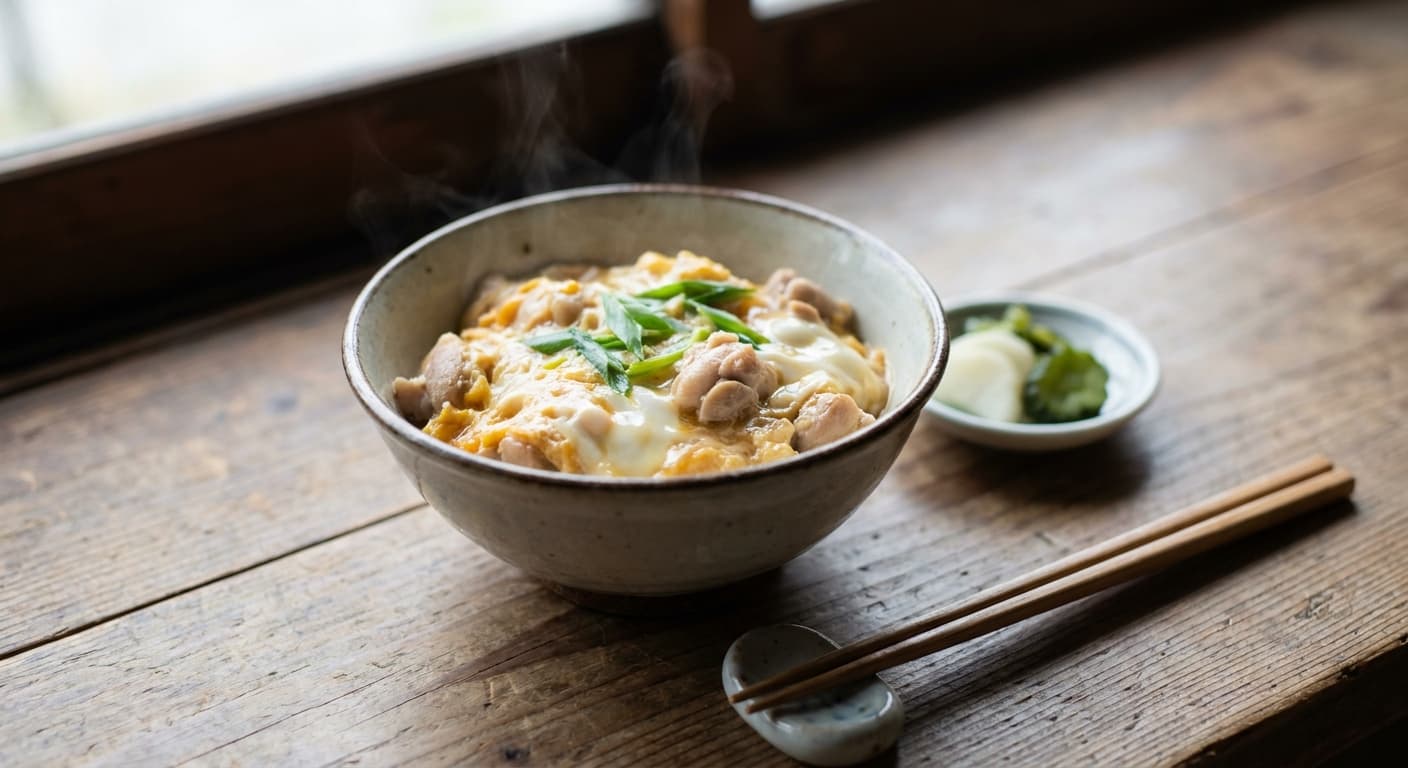
Japanese Oyakodon (親子丼) — Chicken and Egg Rice Bowl
Japanese · Rice Dishes · 29 min
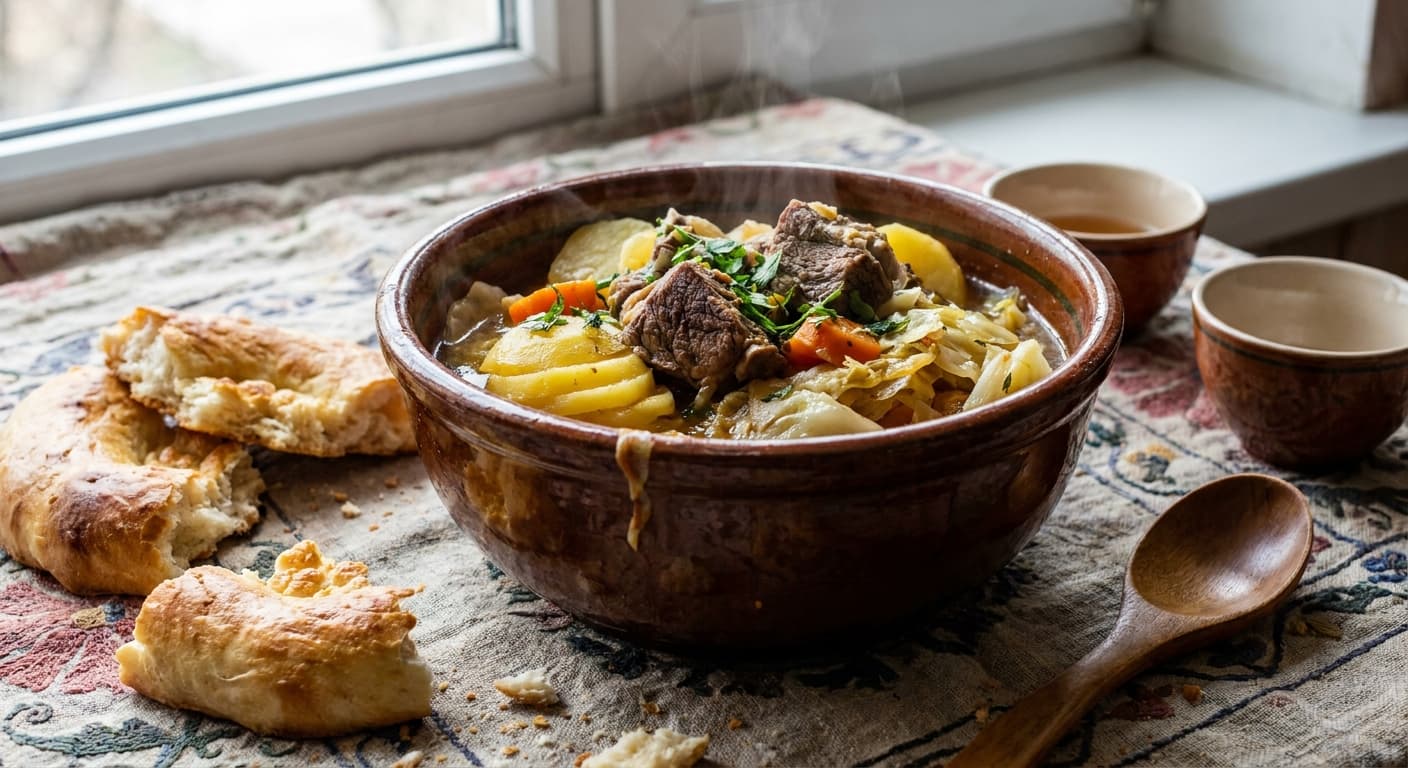
Uzbek Dimlama (Dimlama) — Layered Lamb and Vegetable Stew
Uzbek · Stews · 125 min
Reviews
Cooked this recipe?
Tap the stars to rate it — that's all it takes. A few words are welcome but optional.
No ratings yet. Cooked this one? Be the first to rate it — it takes one tap.