Chirashi-zushi (ちらし寿司) — Scattered Sushi Rice with Colorful Toppings
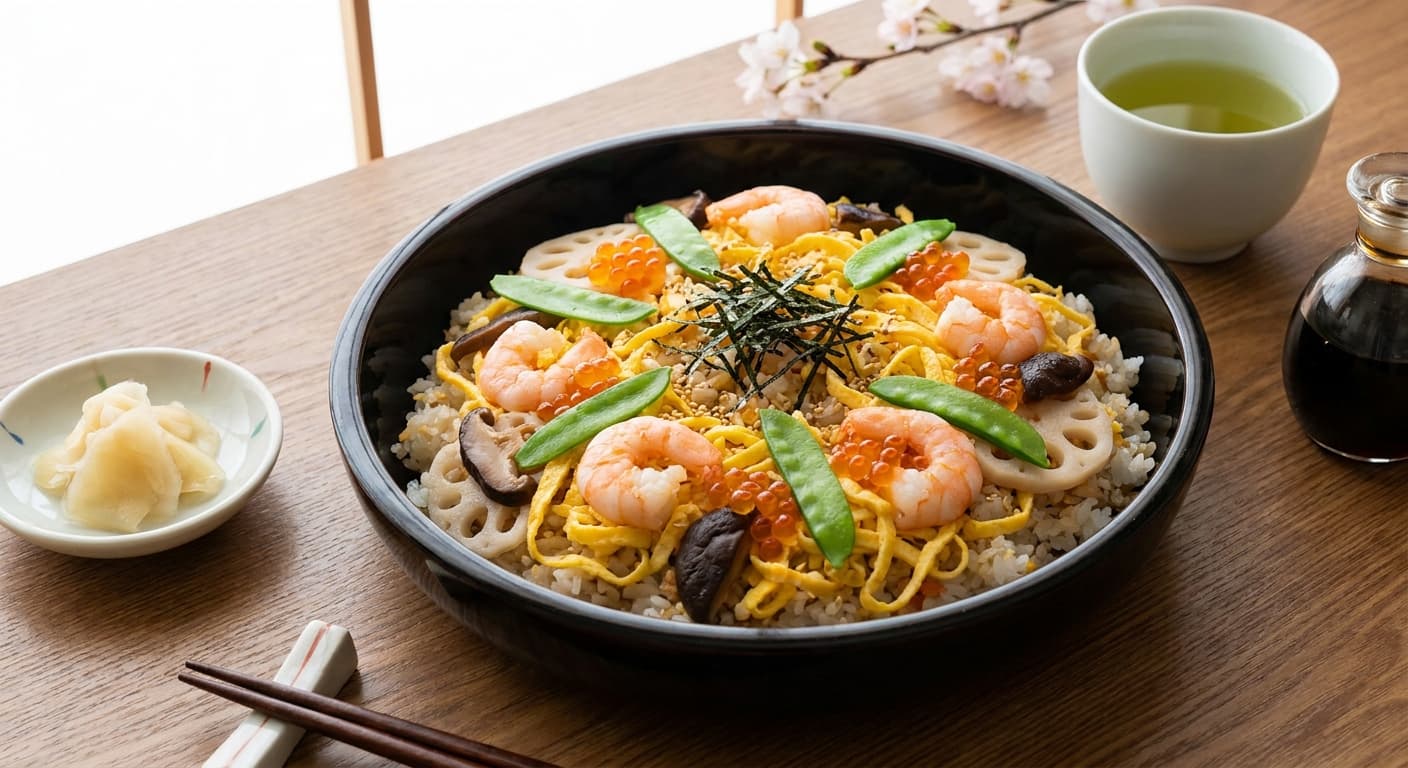
Chirashi-zushi is a Japanese scattered sushi served in a bowl or lacquer box, with seasoned rice and bright toppings. This home-style version is especially associated with festive meals and Hinamatsuri.
Printable Recipe Card
Servings: 4 · Total: 95 min · Difficulty: medium
Ingredients (quick list)
- 450 g Japanese short-grain rice
- 540 ml water
- 1 sheet kombu (about 8 cm square)
- 90 ml rice vinegar
- 60 g granulated sugar (36g for sushi vinegar, 18g for simmered vegetables, 6g for kinshi tamago)
- 17 g fine sea salt (12g for sushi vinegar, 4g for rubbing kanpyo, 1g for kinshi tamago)
- 6 dried shiitake mushrooms
- 360 ml warm water (for soaking shiitake)
- 20 g kanpyo (dried gourd strips)
- 120 g lotus root (peeled and thinly sliced)
- 120 g carrot (peeled and cut into thin matchsticks)
- 240 ml bonito and kombu dashi
+ 13 more in the full ingredients section below.
Steps (summary)
- Rinse the rice in several changes of cold water until the water runs mostly clear, then drain it in a sieve for 30 minutes. Put…
- Cook the rice according to your rice cooker setting, or bring it to a boil in a covered pot, reduce the heat to very low, cook…
- While the rice cooks, combine the rice vinegar, 36 g sugar, and 12 g salt in a small saucepan. Warm it over low heat for 2 minu…
- Soak the dried shiitake mushrooms in 360 ml warm water for 30 minutes, then squeeze them gently and reserve 180 ml of the soaki…
- Rub the kanpyo with 4 g salt for 1 minute, rinse it well, and simmer it in plain water for 10 minutes until pliable. Drain it,…
- Put the sliced shiitake, kanpyo, lotus root, carrot, dashi, reserved shiitake liquid, soy sauce, mirin, sake, and 18 g sugar in…
+ 6 more steps in the full instructions section below.
Cultural Background
Chirashi-zushi expresses the Japanese preference for seasonality, color balance, and careful rice preparation. Its festive appearance makes it especially beloved for Hinamatsuri and family celebrations.
Equipment
💡 Tips
- Season the rice while it is hot, because warm grains absorb sushi vinegar more evenly and develop the characteristic sheen.
- Do not refrigerate the finished rice before serving; chilled sushi rice becomes firm and loses its gentle texture.
- Keep wet and salty toppings such as ikura and pickled ginger on top rather than mixing them through the rice.
⚠️ Common Mistakes
❌ Mashing the rice while mixing in the vinegar
✅ Fix: Use slicing and folding motions with a rice paddle, and spread the rice in a wide bowl so steam escapes quickly.
❌ Adding toppings while the rice is very hot
✅ Fix: Let the seasoned rice cool to room temperature before arranging egg, seafood, nori, and roe.
❌ Leaving too much liquid in the simmered vegetables
✅ Fix: Simmer uncovered until the liquid is mostly absorbed, so the vegetables season the rice without making it wet.
🧊 How to Store
Store leftovers in an airtight container for up to 24 hours in the refrigerator, keeping nori and ikura separate if possible. Let the rice sit at room temperature for 20 minutes before eating; do not microwave seafood toppings.
📅 Make Ahead
The shiitake, kanpyo, lotus root, carrot, and egg ribbons can be prepared 1 day ahead and refrigerated separately. Cook and season the rice on the day of serving for the best texture.
🍽️ Pairs Well With
- Miso soup
- cucumber sunomono
- pickled ginger
- green tea
- tamagoyaki.
Regional Variations
- Kansai-style gomoku chirashi often mixes more simmered vegetables directly through the rice.
- Edomae-style chirashi may feature more sliced raw seafood arranged over sushi rice.
- Home versions for Hinamatsuri commonly emphasize pink, yellow, and green toppings for a festive spring look.
Ingredients
- 450 gJapanese short-grain rice
- 540 mlwater
- 1 sheetkombu (about 8 cm square)
- 90 mlrice vinegar
- 60 ggranulated sugar (36g for sushi vinegar, 18g for simmered vegetables, 6g for kinshi tamago)
- 17 gfine sea salt (12g for sushi vinegar, 4g for rubbing kanpyo, 1g for kinshi tamago)
- 6dried shiitake mushrooms
- 360 mlwarm water (for soaking shiitake)
- 20 gkanpyo (dried gourd strips)
- 120 glotus root (peeled and thinly sliced)
- 120 gcarrot (peeled and cut into thin matchsticks)
- 240 mlbonito and kombu dashi
- 180 mlreserved shiitake soaking liquid
- 45 mlJapanese soy sauce
- 30 mlmirin
- 30 mlsake
- 3eggs
- 10 mlneutral oil
- 12raw shrimp (peeled and deveined, tails optional)
- 12snow peas (strings removed)
- 60 gikura (salmon roe)
- 12 gtoasted white sesame seeds
- 1 sheetnori (cut into fine shreds)
- 40 gpickled ginger
- 12 gwasabi
🔄 Substitutions
- ikura→ masago
- kanpyo→ thinly sliced additional shiitake mushrooms
- bonito and kombu dashi→ kombu dashi
Instructions
- 1
Rinse the rice in several changes of cold water until the water runs mostly clear, then drain it in a sieve for 30 minutes. Put the drained rice, 540 ml water, and kombu sheet in a rice cooker or heavy pot, and let it soak for another 20 minutes before cooking.
- 2
Cook the rice according to your rice cooker setting, or bring it to a boil in a covered pot, reduce the heat to very low, cook for 12 minutes, then rest off the heat for 10 minutes. Remove and discard the kombu before seasoning the rice.
- 3
While the rice cooks, combine the rice vinegar, 36 g sugar, and 12 g salt in a small saucepan. Warm it over low heat for 2 minutes, stirring only until the sugar and salt dissolve, then remove it from the heat and let it cool.
- 4
Soak the dried shiitake mushrooms in 360 ml warm water for 30 minutes, then squeeze them gently and reserve 180 ml of the soaking liquid. Trim off and discard the tough stems, then slice the caps into thin strips.
- 5
Rub the kanpyo with 4 g salt for 1 minute, rinse it well, and simmer it in plain water for 10 minutes until pliable. Drain it, squeeze out excess water, and cut it into 3 cm lengths so it mixes evenly through the rice.
- 6
Put the sliced shiitake, kanpyo, lotus root, carrot, dashi, reserved shiitake liquid, soy sauce, mirin, sake, and 18 g sugar in a saucepan. Simmer uncovered over medium-low heat for 18 to 22 minutes, until the vegetables are tender and the liquid is mostly absorbed but not scorched.
- 7
Beat the eggs with 6 g sugar and 1 g salt until fully blended, then strain the mixture for a finer texture. Heat a lightly oiled nonstick skillet over medium-low heat and cook the egg in thin sheets, using only enough egg to coat the pan each time.
- 8
Stack the cooked egg sheets after they cool, roll them loosely, and slice them into very fine ribbons called kinshi tamago. Keep the ribbons covered so they do not dry out while the rest of the toppings are prepared.
- 9
Bring a small pot of water to a gentle boil and cook the shrimp for 2 to 3 minutes, until firm and opaque. Lift them out, then blanch the snow peas in the same water for 45 seconds and cool them under cold running water to preserve their color.
- 10
Transfer the hot cooked rice to a wide wooden sushi tub or a large nonreactive bowl. Sprinkle the cooled sushi vinegar over the rice and fold with a rice paddle using slicing motions, fanning the rice for 3 to 4 minutes so it becomes glossy rather than mashed.
- 11
Fold the simmered vegetables gently into the seasoned rice while both are still slightly warm. Spread the rice into a shallow serving bowl or individual bowls, keeping the surface loose and airy rather than compacted.
- 12
Arrange the egg ribbons, shrimp, snow peas, ikura, sesame seeds, and shredded nori over the rice in colorful bands or scattered clusters. Serve the chirashi-zushi at room temperature with measured portions of pickled ginger and wasabi on the side.
🪪 Recipe Passport
Cultural Background
Chirashi-zushi expresses the Japanese preference for seasonality, color balance, and careful rice preparation. Its festive appearance makes it especially beloved for Hinamatsuri and family celebrations.
Regional Variations
Researched from multiple sources and validated by the Zaffaron editorial team. Every recipe is tested for accuracy, measurements, and cultural authenticity.
📚 Sources & Cultural References
- Shizuo Tsuji — Japanese Cooking: A Simple Art — (1980)
- Elizabeth Andoh — Washoku: Recipes from the Japanese Home Kitchen — (2005)
Sources cited by the Zaffaron editorial team during recipe research. Cultural and culinary references supporting authenticity claims.
Nutrition per serving
Pairs well with
If you enjoyed this recipe, here are a few related Zaffaron recipes to try next.
Does your family make this differently?
Every family has their own version. Maybe your grandmother adds a secret ingredient, or your aunt has a completely different technique. Preserve your family's version — with their name on it, forever.
You Might Also Like
Obon Dango (お盆団子) — Plain Rice Dumplings for Ancestral Offerings
Japanese · Desserts · 37 min
Chimaki (粽) — Bamboo-Wrapped Sticky Rice Dumplings
Japanese · Desserts · 95 min
Japanese Oyakodon (親子丼) — Chicken and Egg Rice Bowl
Japanese · Rice Dishes · 29 min
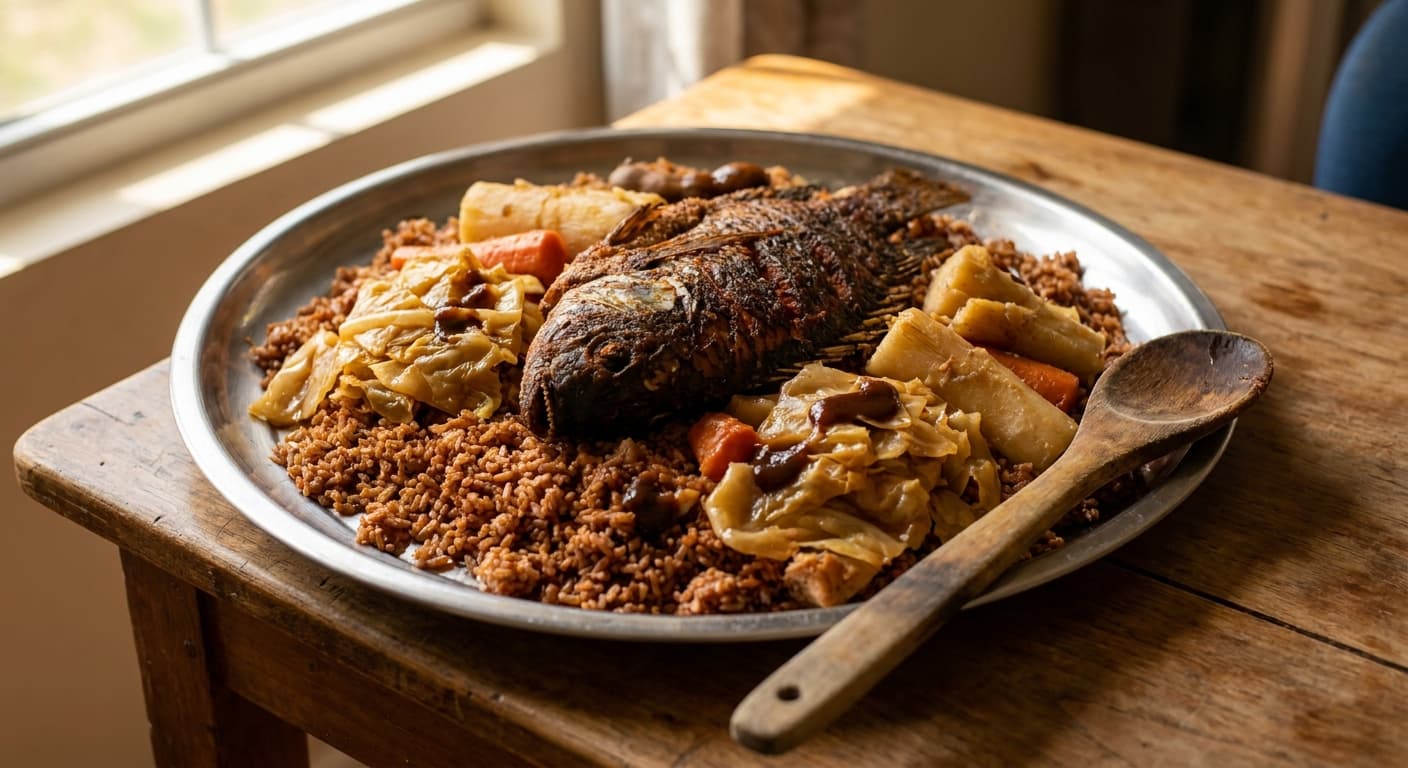
Senegalese Fish and Rice (Ceebu Jën) — Tomato-Braised National Dish
West african · Rice Dishes · 120 min
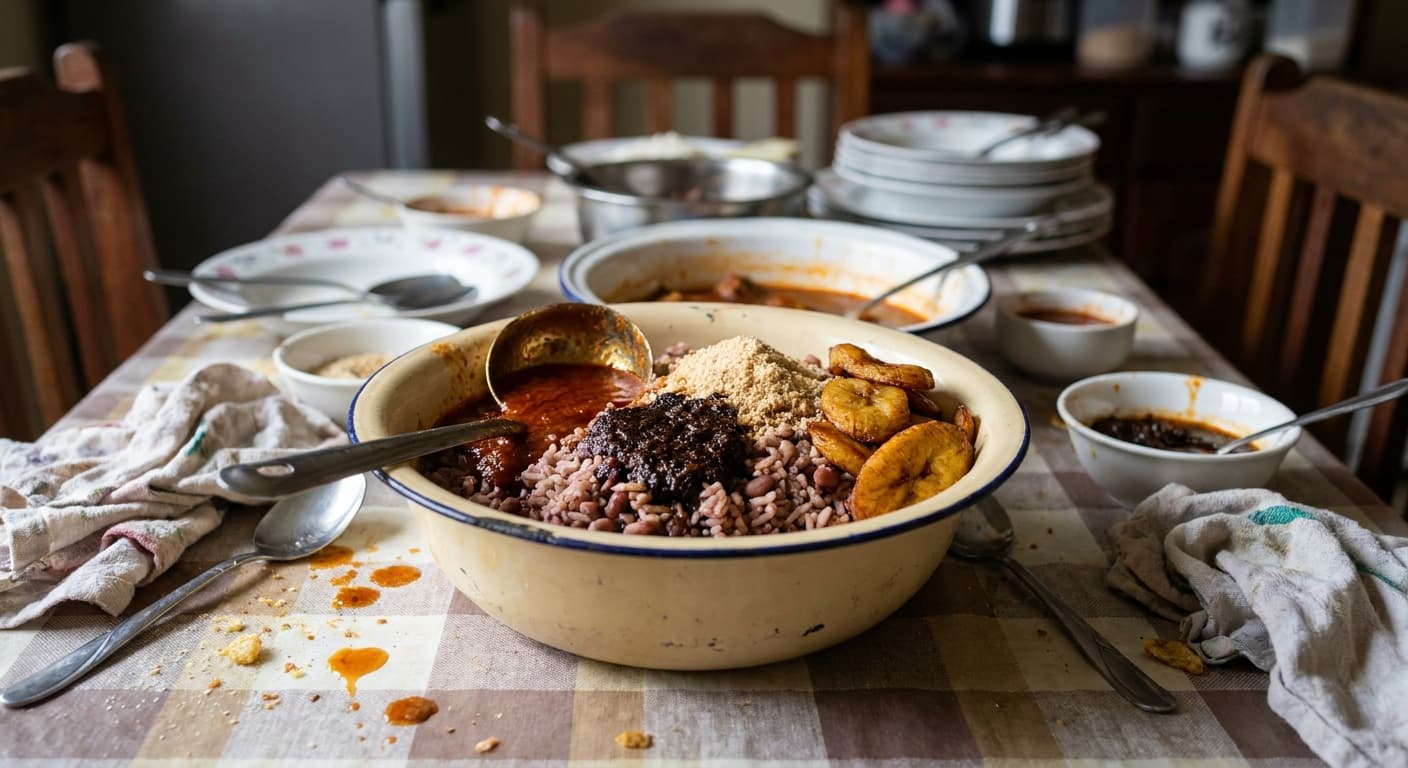
Ghanaian Waakye (Waakye) — Rice and Beans Dyed with Sorghum Leaves
West african · Rice Dishes · 85 min
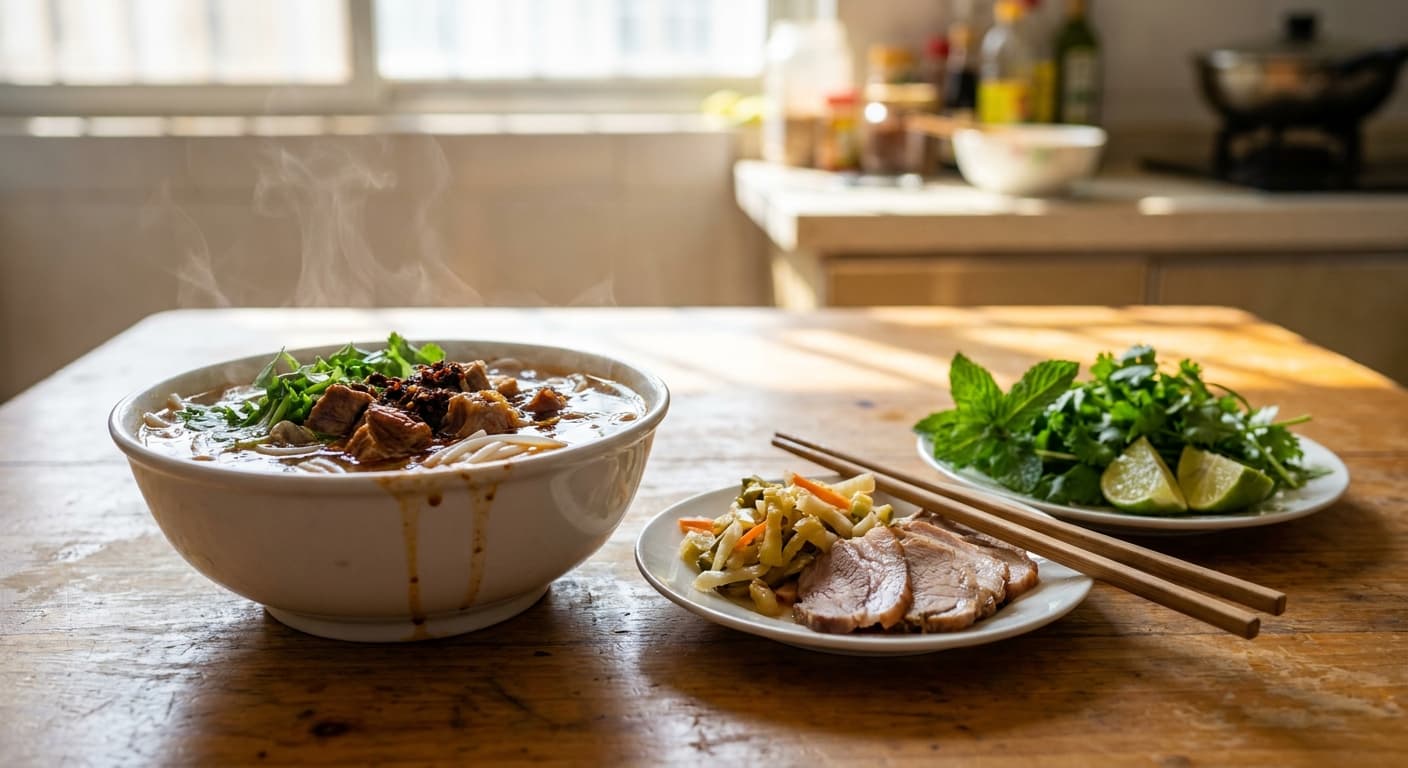
Crossing-the-Bridge Rice Noodles (过桥米线) — Yunnan Hot Broth Noodle Soup
Chinese · Soups · 195 min
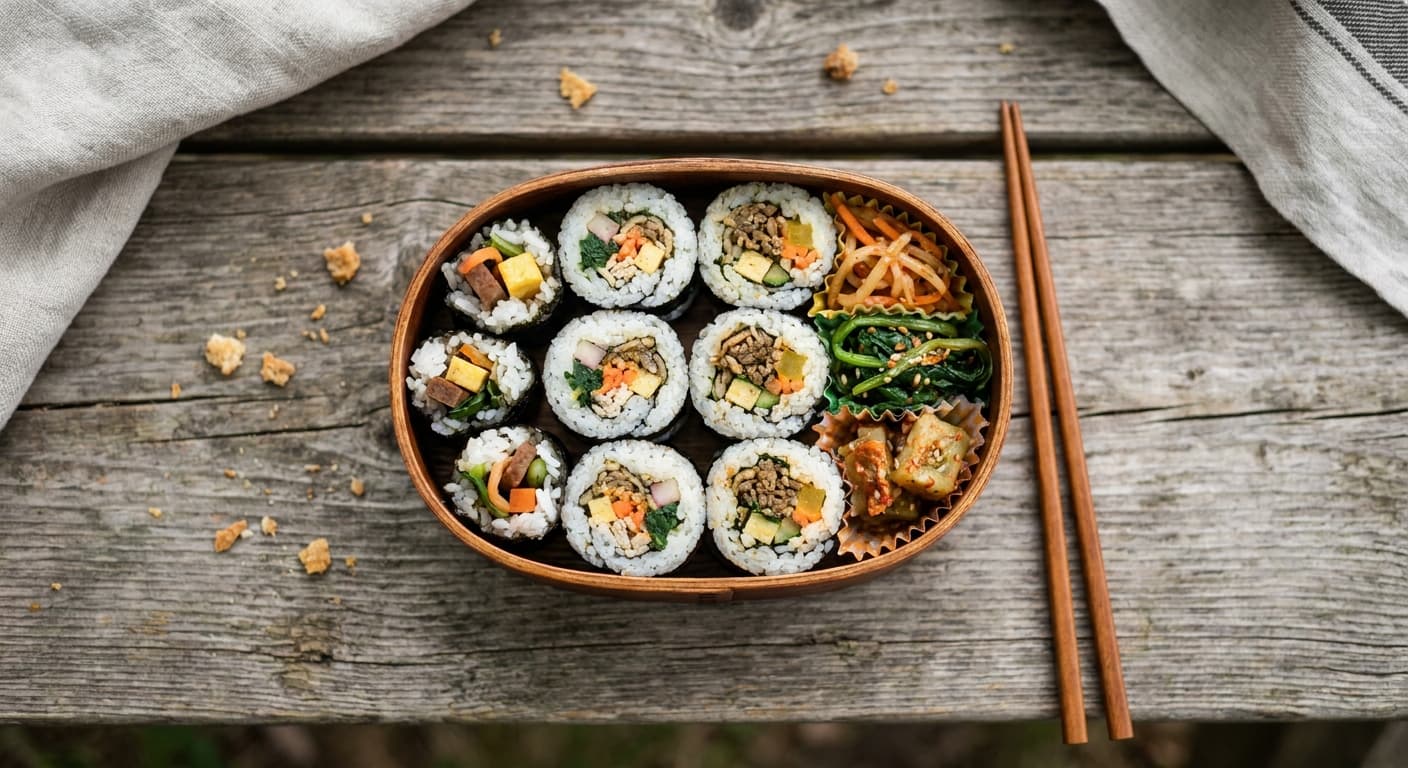
Kimbap (김밥) — Korean Seaweed Rice Rolls
Korean · Main Courses · 70 min
Bulgarian Banitsa (Баница) — Flaky Sirene-Filled Phyllo Pie
Bulgarian · Breads · 68 min
Reviews
Cooked this recipe?
Tap the stars to rate it — that's all it takes. A few words are welcome but optional.
No ratings yet. Cooked this one? Be the first to rate it — it takes one tap.