Okonomiyaki (お好み焼き) — Osaka-Style Savory Cabbage Pancake
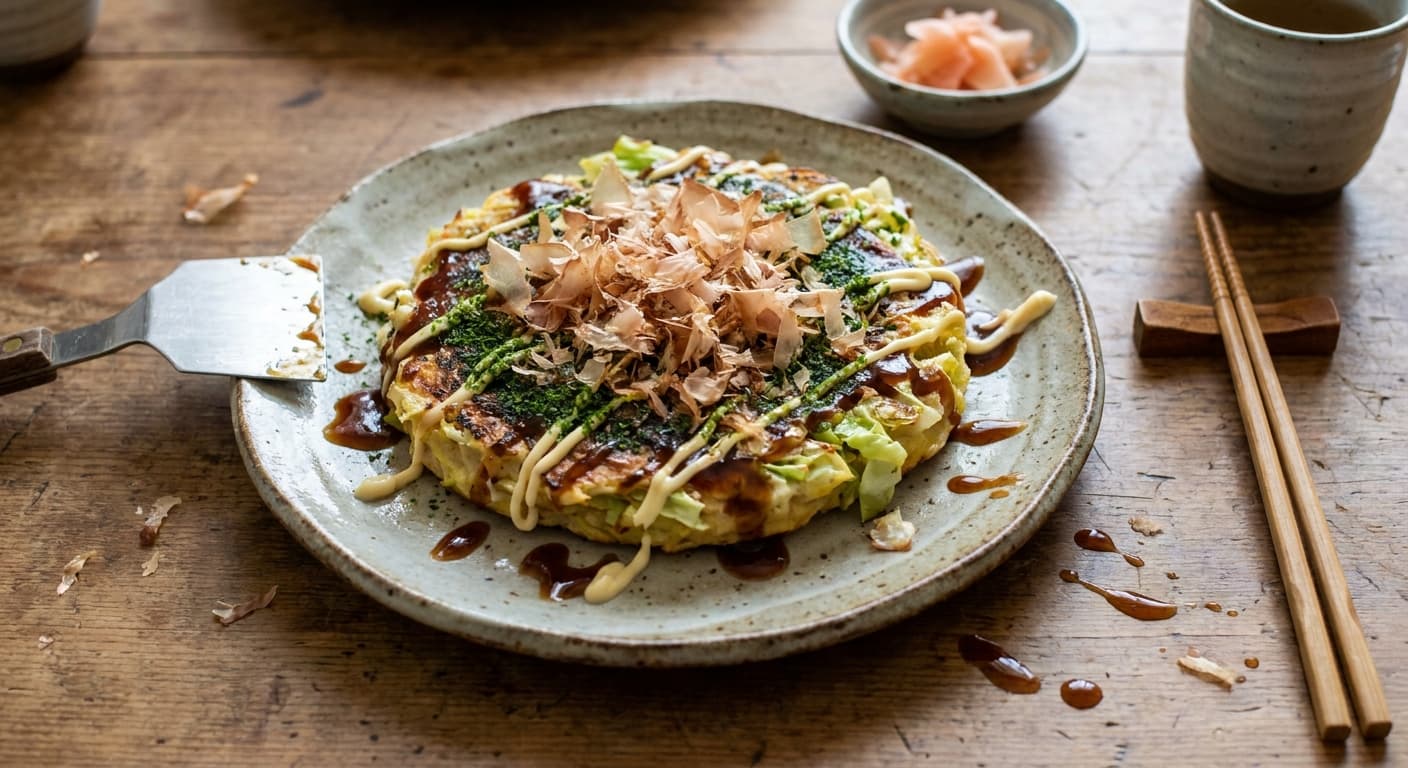
Okonomiyaki is a beloved Japanese savory pancake, especially associated with Osaka home cooking and street food. This version folds cabbage, nagaimo, dashi, egg, and pork into a tender pancake finished with sauce, mayonnaise, bonito flakes, and aonori.
Printable Recipe Card
Servings: 4 · Total: 49 min · Difficulty: medium
Ingredients (quick list)
- 160 g all-purpose flour
- 4 g baking powder
- 3 g fine sea salt
- 180 ml awase dashi (kombu and bonito stock, chilled)
- 120 g nagaimo yam (peeled and finely grated)
- 4 large eggs
- 520 g green cabbage (cored and finely chopped into 1 cm pieces)
- 4 scallions (thinly sliced)
- 45 g tenkasu tempura crumbs
- 35 g beni shoga pickled ginger (finely chopped)
- 120 g thinly sliced pork belly (cut into 12 short strips)
- 30 ml neutral oil
+ 4 more in the full ingredients section below.
Steps (summary)
- Whisk the flour, baking powder, and salt in a large bowl until evenly combined. Pour in the chilled awase dashi and whisk just…
- Cover the bowl and rest the batter in the refrigerator for 15 minutes. This short rest hydrates the flour and helps the okonomi…
- Add the eggs, chopped cabbage, scallions, tenkasu, and beni shoga to the rested batter. Fold with a large spoon only until the…
- Heat a large cast-iron skillet or flat griddle over medium heat and brush it with 7.5 ml of the neutral oil. Spoon one-quarter…
- Lay 30 g of the sliced pork belly across the top of the pancake in a single layer. Cook for 5 to 6 minutes, until the underside…
- Slide a wide spatula under the pancake and flip it so the pork side is down. Cook for 5 to 6 minutes more, until the pork is br…
+ 2 more steps in the full instructions section below.
Cultural Background
Often called a cook-it-as-you-like pancake, okonomiyaki is strongly linked with Osaka and Kansai food culture. It is a casual, communal dish served at home, festivals, and restaurants where diners may cook it on a hotplate.
Equipment
💡 Tips
- Keep the cabbage pieces small and dry; excess moisture makes the pancake steam instead of brown.
- Do not flatten the okonomiyaki with the spatula, because the fluffy interior comes from trapped steam and lightly folded batter.
- Cook over steady medium heat; high heat burns the pork and sauce sugars before the cabbage softens.
⚠️ Common Mistakes
❌ Mixing the batter until smooth after adding cabbage.
✅ Fix: Fold briefly so the cabbage stays distinct and the finished pancake remains light.
❌ Pressing the pancake down while it cooks.
✅ Fix: Let it cook undisturbed so steam can soften the cabbage and puff the batter.
❌ Using heat that is too high.
✅ Fix: Cook over medium heat so the pork browns while the center cooks through safely.
🧊 How to Store
Refrigerate cooled leftovers in an airtight container for up to 2 days. Reheat in a lightly oiled skillet over medium-low heat for 4 to 5 minutes per side, then add fresh sauce, mayonnaise, aonori, and bonito flakes.
📅 Make Ahead
Chop the cabbage, slice the scallions, and grate the nagaimo up to 6 hours ahead. Keep them chilled separately, and mix the eggs and cabbage into the batter only just before cooking.
🍽️ Pairs Well With
- Japanese pickles
- miso soup
- chilled beer
- barley tea
- edamame.
Regional Variations
- Hiroshima-style okonomiyaki layers batter, cabbage, pork, noodles, egg, and sauce rather than mixing the cabbage into the batter.
- Modan-yaki is an Osaka-style variation that adds yakisoba noodles for a heartier pancake.
- Seafood okonomiyaki may include squid, shrimp, or scallops in place of some or all of the pork.
Ingredients
- 160 gall-purpose flour
- 4 gbaking powder
- 3 gfine sea salt
- 180 mlawase dashi (kombu and bonito stock, chilled)
- 120 gnagaimo yam (peeled and finely grated)
- 4large eggs
- 520 ggreen cabbage (cored and finely chopped into 1 cm pieces)
- 4scallions (thinly sliced)
- 45 gtenkasu tempura crumbs
- 35 gbeni shoga pickled ginger (finely chopped)
- 120 gthinly sliced pork belly (cut into 12 short strips)
- 30 mlneutral oil
- 120 mlokonomiyaki sauce
- 60 mlJapanese mayonnaise
- 4 tspaonori
- 12 gkatsuobushi flakes
🔄 Substitutions
- awase dashi→ kombu-shiitake dashi
- nagaimo yam→ grated peeled potato
- thinly sliced pork belly→ peeled raw shrimp
- okonomiyaki sauce→ 60 ml Worcestershire sauce mixed with 45 ml ketchup and 15 ml oyster sauce
Instructions
- 1
Whisk the flour, baking powder, and salt in a large bowl until evenly combined. Pour in the chilled awase dashi and whisk just until no dry patches remain, then stir in the grated nagaimo to make a thick, slightly elastic batter.
- 2
Cover the bowl and rest the batter in the refrigerator for 15 minutes. This short rest hydrates the flour and helps the okonomiyaki cook up tender rather than bready.
- 3
Add the eggs, chopped cabbage, scallions, tenkasu, and beni shoga to the rested batter. Fold with a large spoon only until the cabbage is lightly coated, because overmixing crushes the cabbage and makes the pancake dense.
- 4
Heat a large cast-iron skillet or flat griddle over medium heat and brush it with 7.5 ml of the neutral oil. Spoon one-quarter of the mixture onto the hot surface and shape it into a round pancake about 18 cm wide and 2 cm thick.
- 5
Lay 30 g of the sliced pork belly across the top of the pancake in a single layer. Cook for 5 to 6 minutes, until the underside is deeply golden and the edges look set, but do not press down on the pancake.
- 6
Slide a wide spatula under the pancake and flip it so the pork side is down. Cook for 5 to 6 minutes more, until the pork is browned and the center reaches 74°C.
- 7
Flip the pancake once more so the pork side faces up, then cook for 1 additional minute to re-crisp the bottom. Transfer it to a plate and repeat with the remaining oil, batter, and pork to make 4 okonomiyaki.
- 8
Brush each hot pancake with 30 ml of okonomiyaki sauce, then drizzle with 15 ml of Japanese mayonnaise. Sprinkle each serving with 1 tsp aonori and 3 g katsuobushi flakes so the flakes curl gently from the heat before serving.
🪪 Recipe Passport
Cultural Background
Often called a cook-it-as-you-like pancake, okonomiyaki is strongly linked with Osaka and Kansai food culture. It is a casual, communal dish served at home, festivals, and restaurants where diners may cook it on a hotplate.
Regional Variations
Researched from multiple sources and validated by the Zaffaron editorial team. Every recipe is tested for accuracy, measurements, and cultural authenticity.
📚 Sources & Cultural References
- Hiroko Shimbo — The Japanese Kitchen: 250 Recipes in a Traditional Spirit — (2000)
- Japan National Tourism Organization — Japan: The Official Guide, Okonomiyaki
Sources cited by the Zaffaron editorial team during recipe research. Cultural and culinary references supporting authenticity claims.
Nutrition per serving
Pairs well with
If you enjoyed this recipe, here are a few related Zaffaron recipes to try next.
Does your family make this differently?
Every family has their own version. Maybe your grandmother adds a secret ingredient, or your aunt has a completely different technique. Preserve your family's version — with their name on it, forever.
You Might Also Like
Ohitashi (お浸し) — Japanese Blanched Spinach with Bonito Dashi and Soy
Japanese · Side Dishes · 20 min
Yudofu (湯豆腐) — Japanese Simmered Tofu Hot Pot
Japanese · Main Courses · 60 min
Goma-dofu (胡麻豆腐) — Shojin Sesame Kuzu Tofu
Japanese · Side Dishes · 28 min
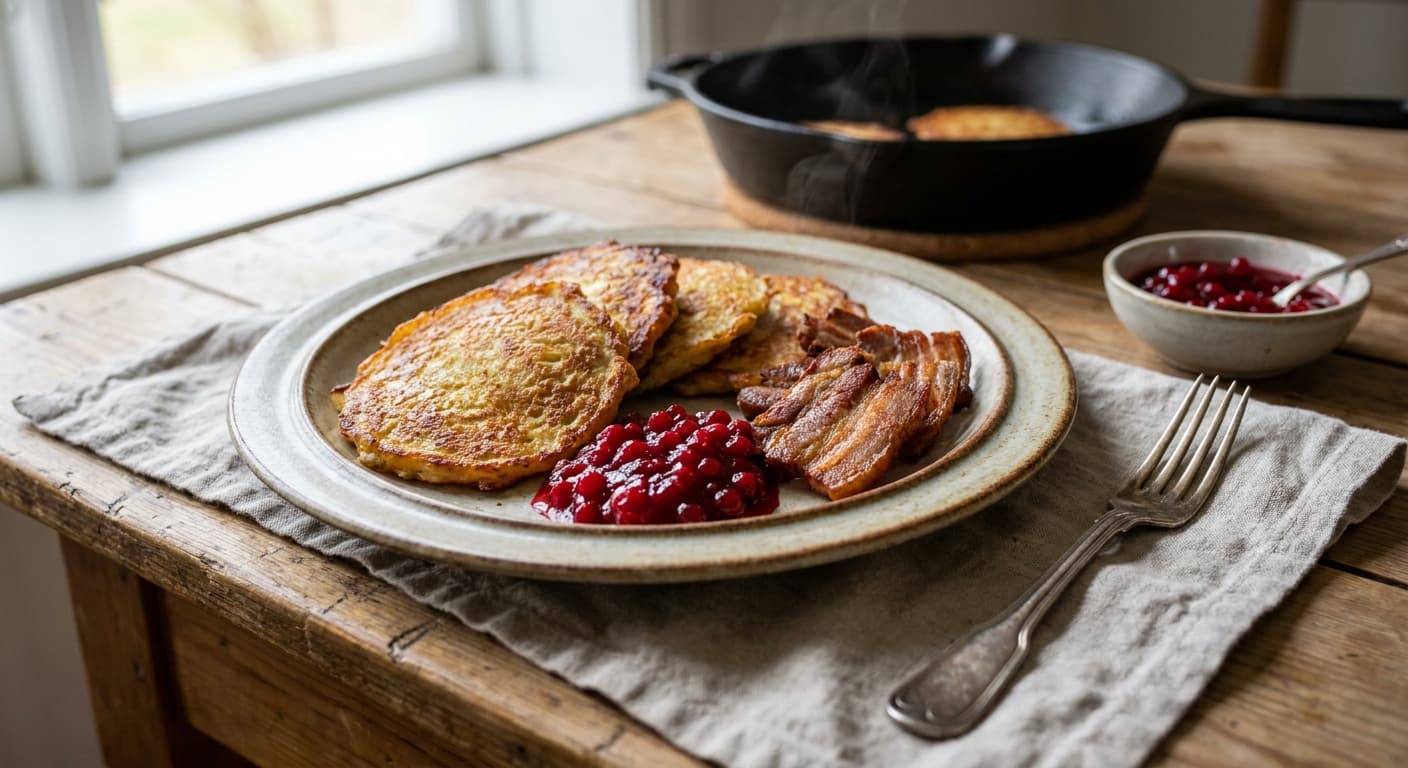
Swedish Potato Pancakes with Pork (Raggmunk med fläsk) — Crispy Husmanskost with Lingonberries
Swedish · Main Courses · 55 min
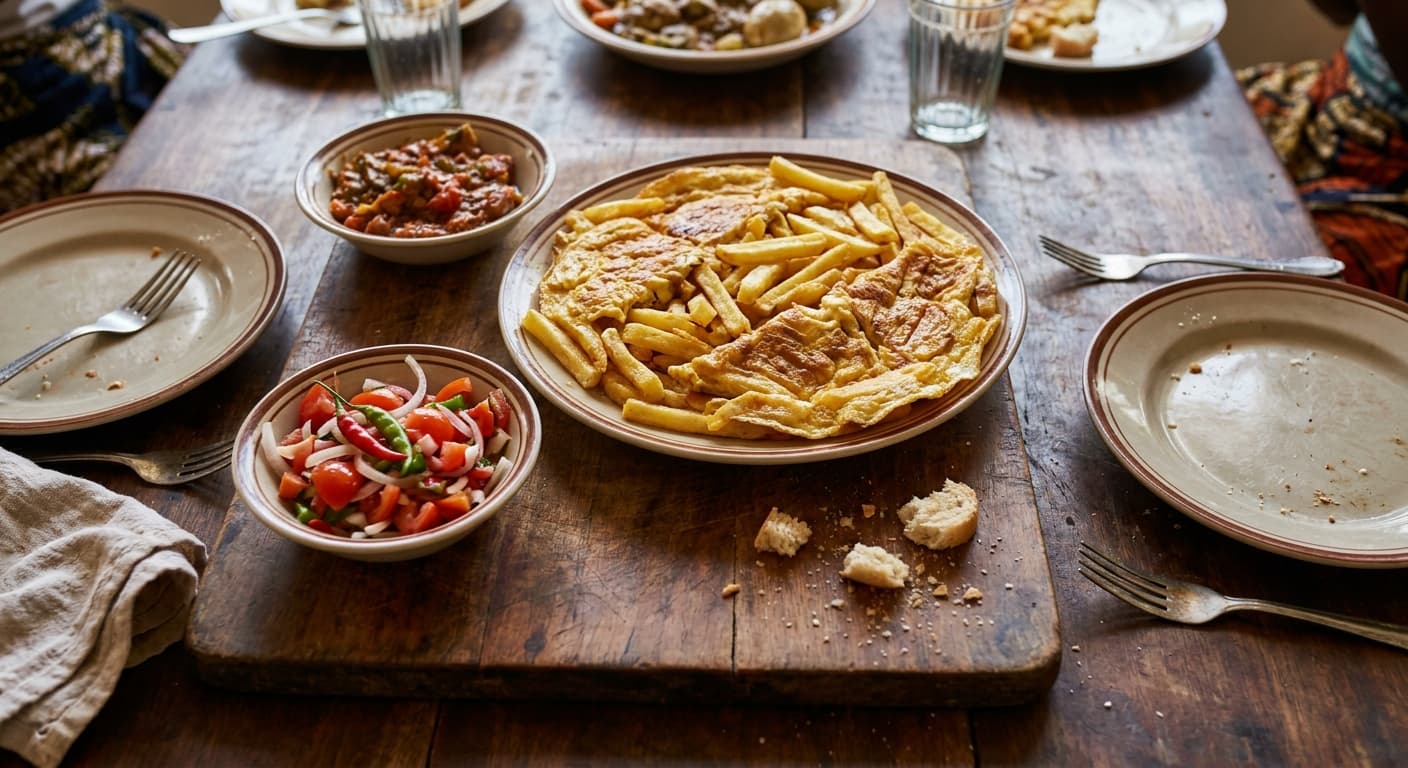
Chips and Egg Omelet (Chipsi Mayai) — Tanzanian Street-Food Classic
Tanzanian · Main Courses · 50 min
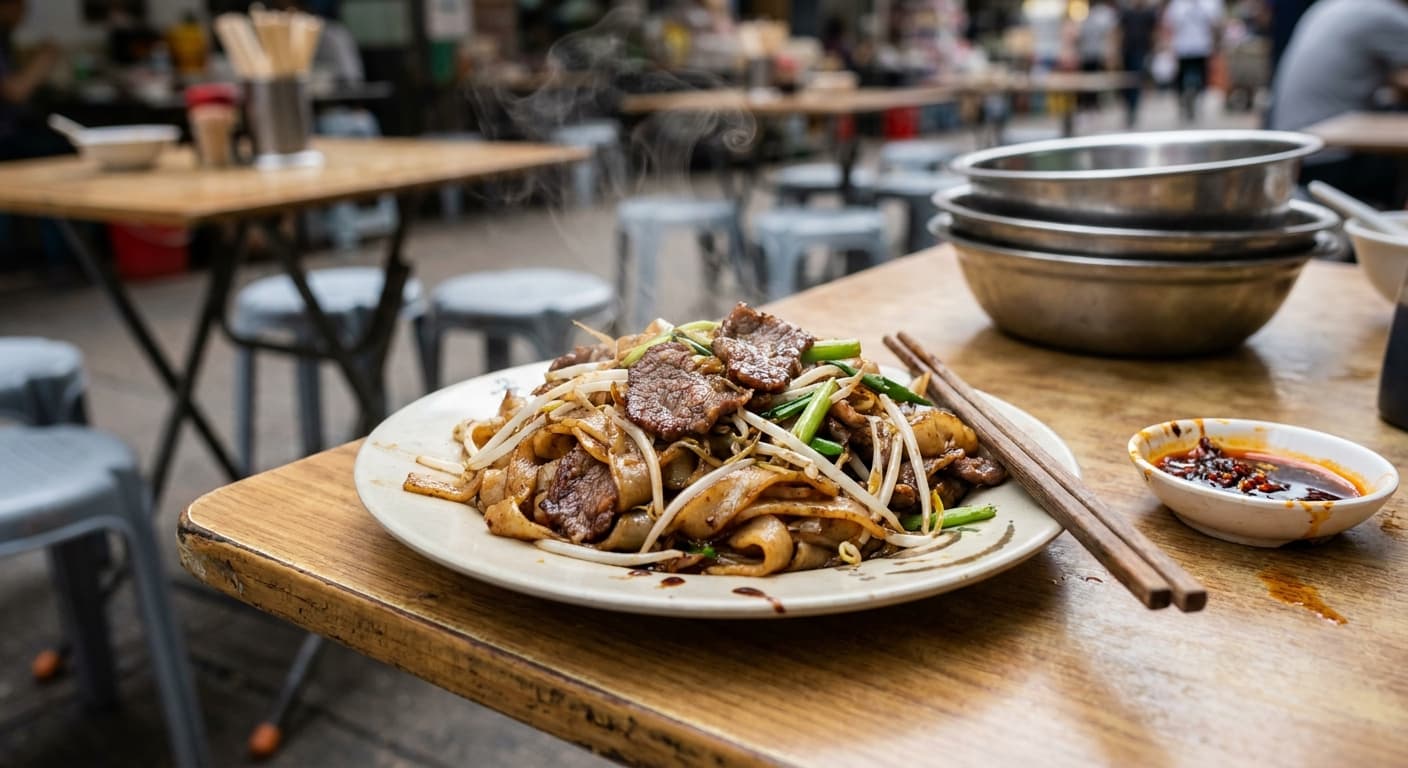
Beef Chow Fun (干炒牛河) — Cantonese Wok-Fried Rice Noodles with Beef
Chinese · Main Courses · 33 min
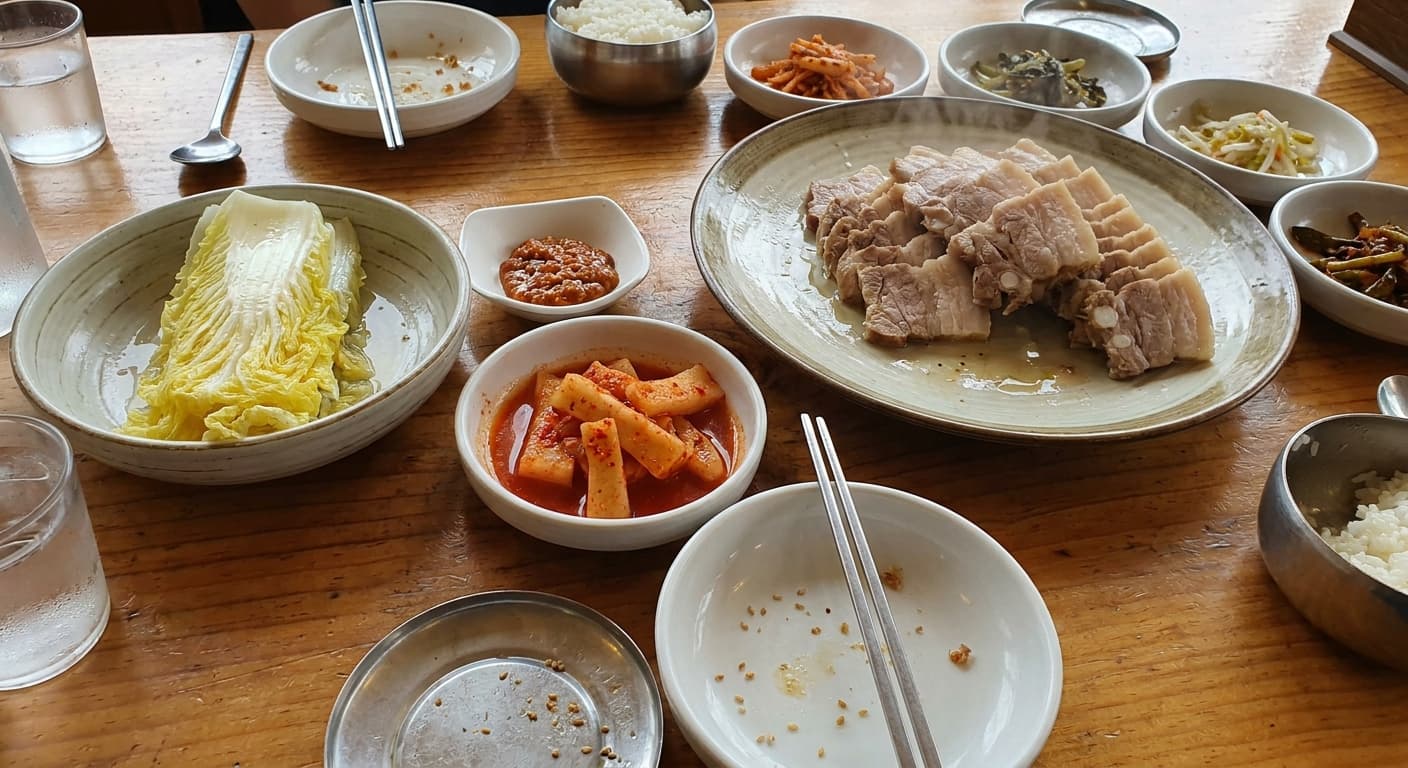
Bossam (보쌈) — Korean Boiled Pork Lettuce Wraps
Korean · Main Courses · 135 min
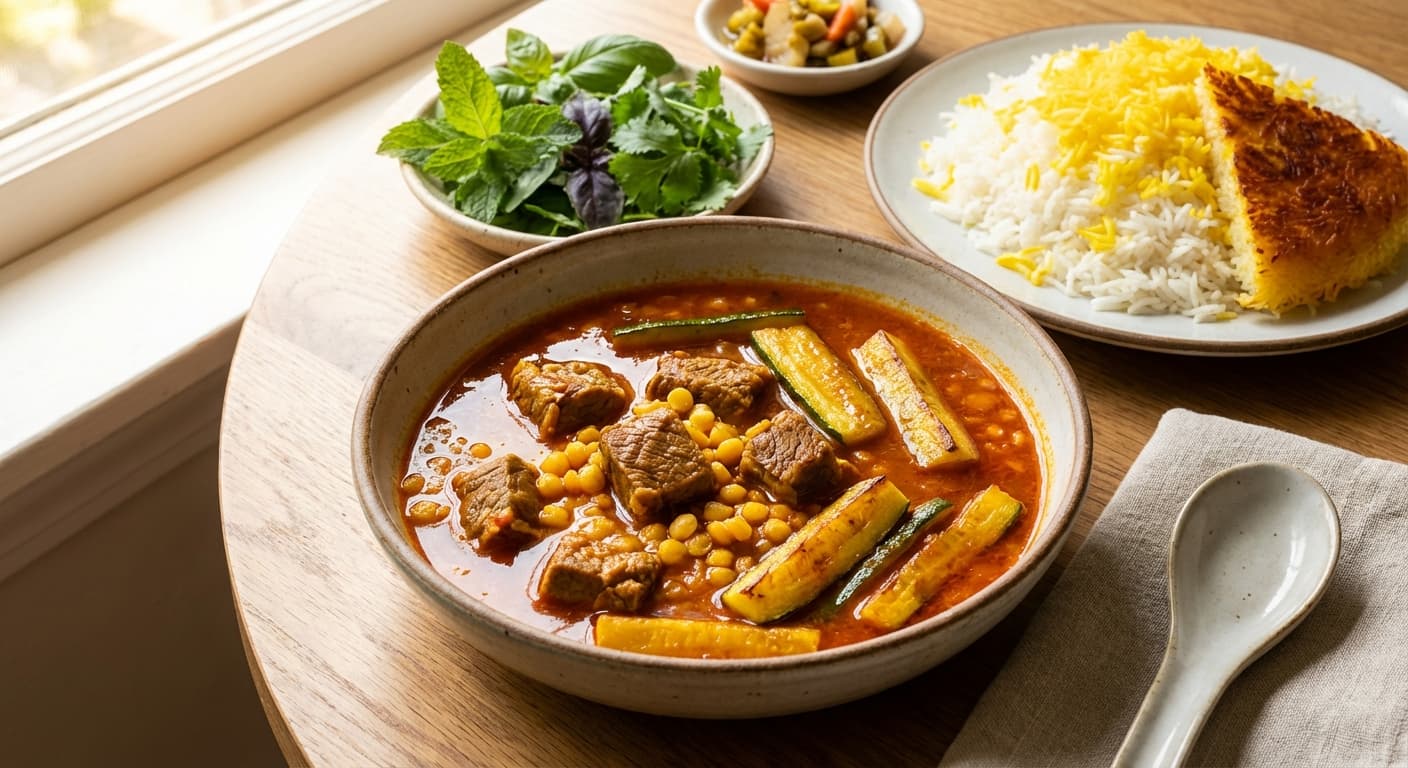
Zucchini Gheymeh Stew (خورش قیمه کدو) — Lamb, split pea, and saffron-tomato khoresh
Persian · Stews · 135 min
Reviews
Cooked this recipe?
Tap the stars to rate it — that's all it takes. A few words are welcome but optional.
No ratings yet. Cooked this one? Be the first to rate it — it takes one tap.