Mochi (餅) — Traditional Pounded Glutinous Rice Cakes
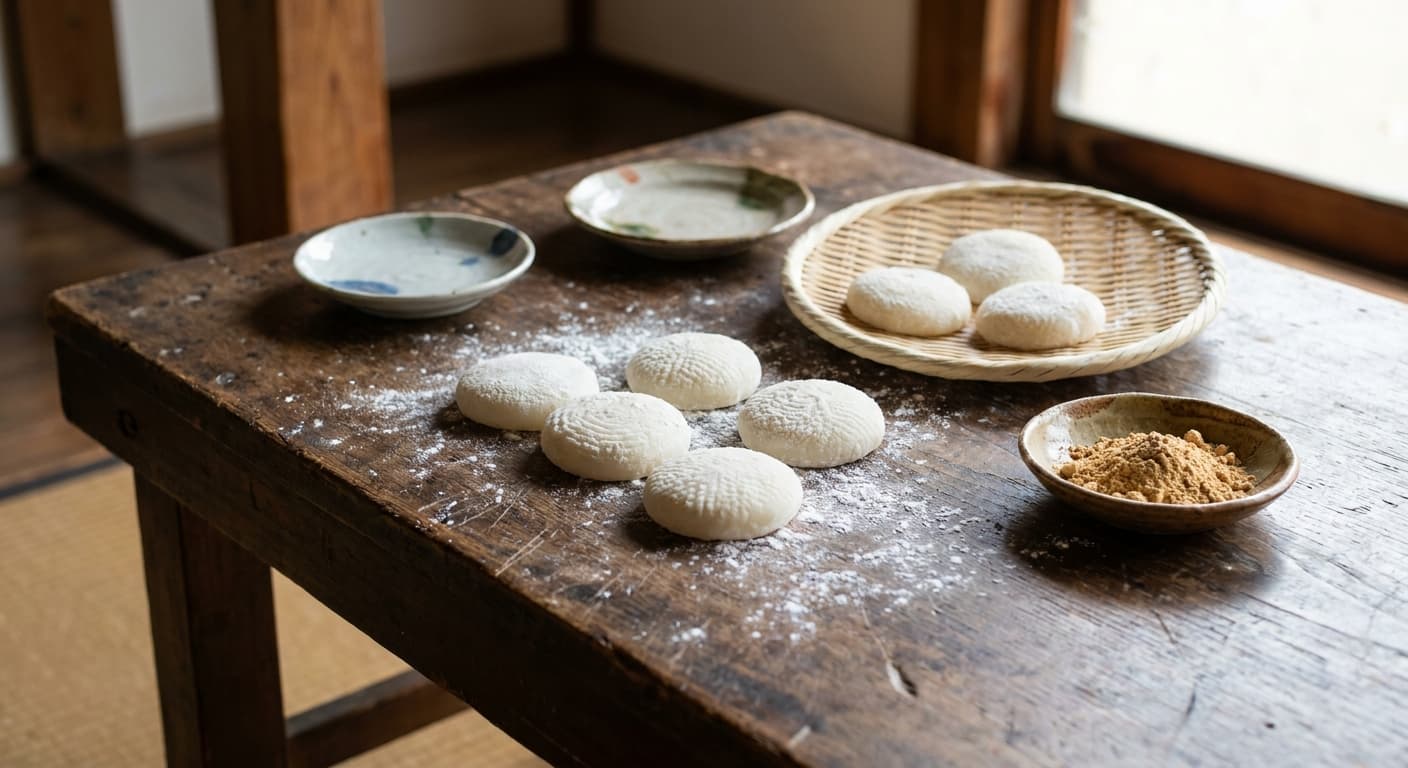
Mochi is Japan’s classic pounded rice cake, made from steamed glutinous short-grain rice beaten until elastic and smooth. It is central to Japanese New Year traditions and also enjoyed year-round grilled, simmered, or sweetened.
Printable Recipe Card
Servings: 6 · Total: 100 min · Difficulty: medium
Ingredients (quick list)
- 500 g Japanese glutinous short-grain rice
- 2000 ml filtered water (for soaking the rice and filling the steamer; not all is absorbed)
- 60 g potato starch (for dusting the tray and hands)
Steps (summary)
- Rinse the glutinous rice in a bowl with several changes of cold water until the water runs mostly clear. Cover the rinsed rice…
- Drain the soaked rice in a fine-mesh sieve for 30 minutes so the grains steam rather than boil. Line a steamer basket with a cl…
- Steam the rice over medium-high heat for 40 to 45 minutes, keeping the lid tightly closed and replenishing the steamer base wit…
- Transfer the hot steamed rice immediately to the bowl of a heavy stand mixer fitted with the paddle attachment, or to a sturdy…
- Continue pounding or mixing until the rice becomes a glossy, elastic paste with only tiny flecks of grain remaining. Keep the s…
- Dust a rimmed tray with 40 g of the potato starch and turn the hot mochi onto it. Dust the top with the remaining 20 g potato s…
+ 2 more steps in the full instructions section below.
Cultural Background
Mochi is closely tied to Japanese New Year, when families traditionally gather for mochitsuki, the communal steaming and pounding of rice. It symbolizes renewal, abundance, and continuity in seasonal cooking.
Equipment
💡 Tips
- Use Japanese glutinous short-grain rice rather than long-grain sticky rice for the most authentic chewy texture.
- Work while the rice is hot; cooled rice will not pound into a smooth, elastic mochi.
- Brush off excess potato starch after shaping so the mochi does not taste dusty.
⚠️ Common Mistakes
❌ Using regular sushi rice instead of glutinous rice.
✅ Fix: Choose Japanese glutinous short-grain rice, which has the starch structure needed for elastic mochi.
❌ Letting the steamed rice cool before pounding.
✅ Fix: Move the rice to the mixer or mortar immediately after steaming so it breaks down smoothly.
❌ Adding too much water during mixing.
✅ Fix: Wet the spatula lightly and limit added water to 30 ml so the mochi remains firm enough to shape.
🧊 How to Store
Fresh mochi is best eaten within 12 hours. Wrap pieces individually and freeze for up to 1 month; reheat from frozen by grilling, toasting, or simmering in soup until soft and stretchy.
📅 Make Ahead
Soak and drain the rice up to 12 hours ahead in the refrigerator. Shape the mochi on the day it is served, or freeze individual pieces soon after shaping.
🍽️ Pairs Well With
- Kinako sugar
- sweet red bean paste
- soy sauce and nori
- ozoni soup
- grated daikon with soy sauce.
Regional Variations
- Kansai-style round mochi is often shaped into small smooth disks for New Year soup.
- Kanto-style cut mochi is commonly pressed into a slab and cut into rectangles.
- Some households make yomogi mochi by pounding blanched mugwort into the rice for a green herbal version.
Ingredients
- 500 gJapanese glutinous short-grain rice
- 2000 mlfiltered water (for soaking the rice and filling the steamer; not all is absorbed)
- 60 gpotato starch (for dusting the tray and hands)
🔄 Substitutions
- Japanese glutinous short-grain rice→ Thai glutinous rice
- potato starch→ cornstarch
Instructions
- 1
Rinse the glutinous rice in a bowl with several changes of cold water until the water runs mostly clear. Cover the rinsed rice with 1500 ml of the filtered water and soak it for 8 hours at cool room temperature, or 12 hours in the refrigerator.
- 2
Drain the soaked rice in a fine-mesh sieve for 30 minutes so the grains steam rather than boil. Line a steamer basket with a clean damp cotton cloth, spread the rice in an even layer, and bring 500 ml of water to a steady boil in the steamer base.
- 3
Steam the rice over medium-high heat for 40 to 45 minutes, keeping the lid tightly closed and replenishing the steamer base with hot water if the level gets low. The rice is ready when the grains are fully translucent, tender, sticky, and no longer chalky in the center.
- 4
Transfer the hot steamed rice immediately to the bowl of a heavy stand mixer fitted with the paddle attachment, or to a sturdy mortar if pounding by hand. Beat on low speed for 2 minutes to crush the grains, then increase to medium speed and beat for 8 to 10 minutes, stopping every 2 minutes to scrape and fold the mass with a wet spatula.
- 5
Continue pounding or mixing until the rice becomes a glossy, elastic paste with only tiny flecks of grain remaining. Keep the spatula lightly wet with water during scraping, using no more than 30 ml total water, because excess water makes the mochi slack and difficult to shape.
- 6
Dust a rimmed tray with 40 g of the potato starch and turn the hot mochi onto it. Dust the top with the remaining 20 g potato starch, then pat the mochi into a rectangle about 2 cm thick while it is still warm and pliable.
- 7
Cut the mochi into 12 equal pieces with a starch-dusted bench scraper or knife. Shape each piece into a rounded cake, brushing off excess starch so the surface stays soft but not powdery.
- 8
Serve the mochi the same day for the softest texture, either plain, grilled until puffed, or paired with traditional sweet or savory toppings. Remind guests to take small bites and chew thoroughly, because fresh mochi is very sticky and can be difficult to swallow in large pieces.
🪪 Recipe Passport
Cultural Background
Mochi is closely tied to Japanese New Year, when families traditionally gather for mochitsuki, the communal steaming and pounding of rice. It symbolizes renewal, abundance, and continuity in seasonal cooking.
Regional Variations
Researched from multiple sources and validated by the Zaffaron editorial team. Every recipe is tested for accuracy, measurements, and cultural authenticity.
📚 Sources & Cultural References
- Shizuo Tsuji — Japanese Cooking: A Simple Art — (1980)
- Elizabeth Andoh — Washoku: Recipes from the Japanese Home Kitchen — (2005)
Sources cited by the Zaffaron editorial team during recipe research. Cultural and culinary references supporting authenticity claims.
Nutrition per serving
Pairs well with
If you enjoyed this recipe, here are a few related Zaffaron recipes to try next.
Does your family make this differently?
Every family has their own version. Maybe your grandmother adds a secret ingredient, or your aunt has a completely different technique. Preserve your family's version — with their name on it, forever.
You Might Also Like
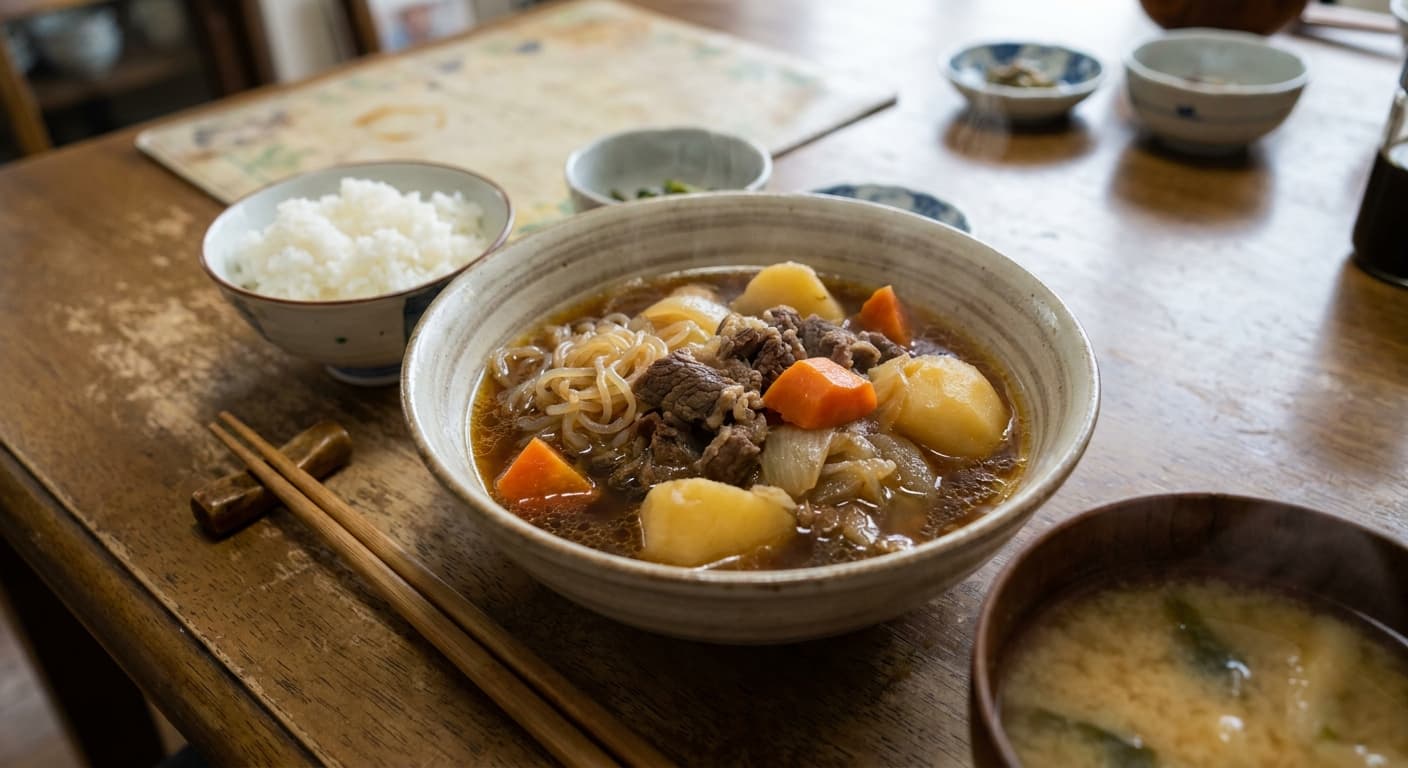
Nikujaga (肉じゃが) — Japanese Beef and Potato Stew
Japanese · Stews · 55 min
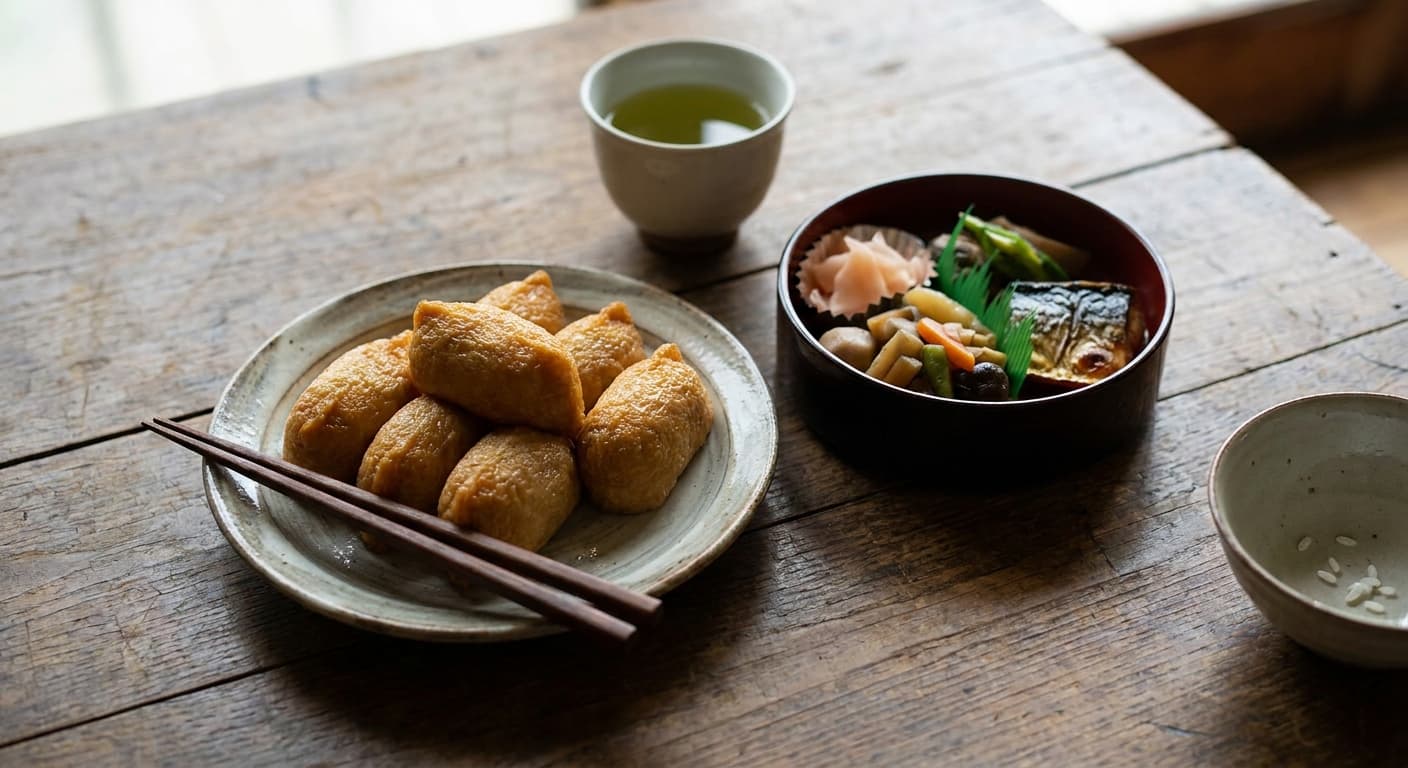
Inarizushi (稲荷寿司) — Sweet Tofu-Pocket Sushi
Japanese · Rice Dishes · 80 min
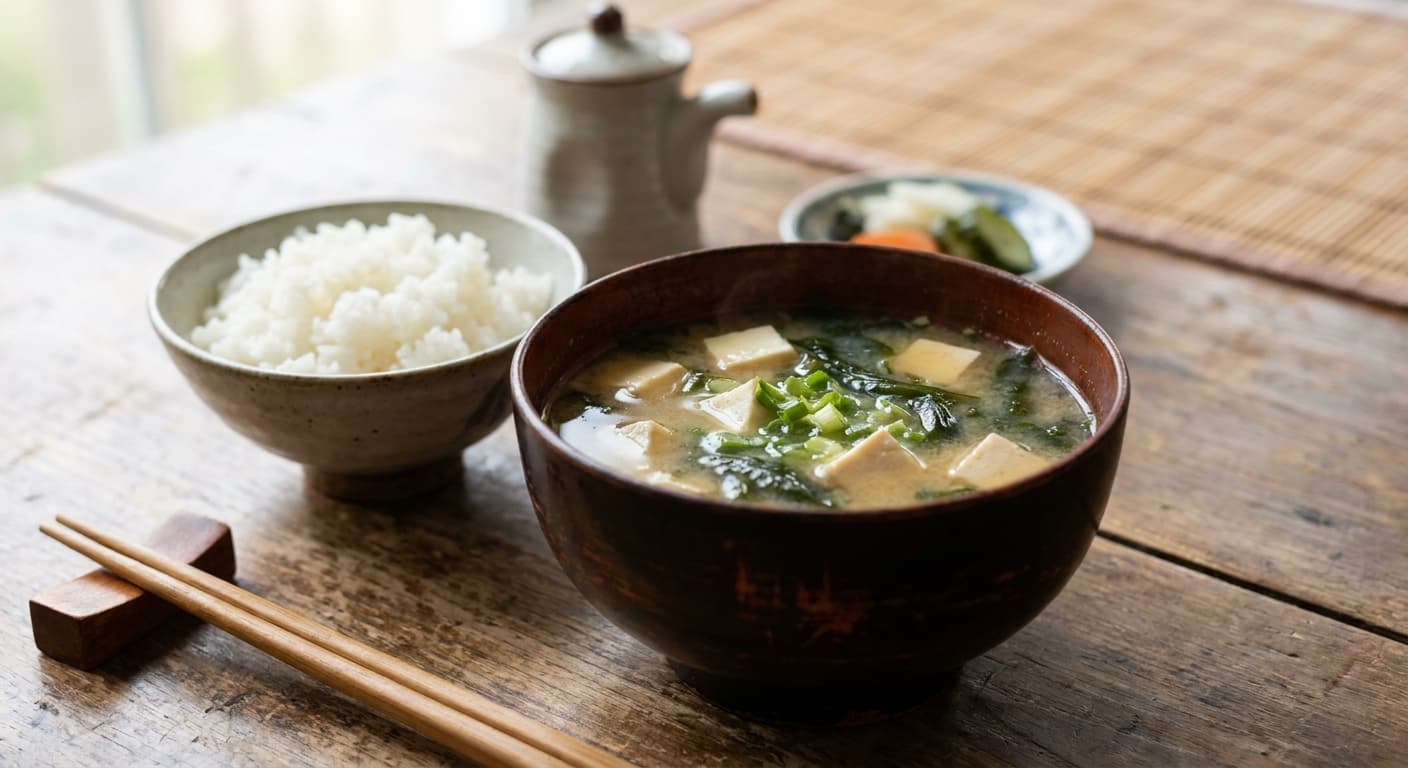
Misoshiru (味噌汁) — Classic Japanese Miso Soup with Tofu and Wakame
Japanese · Soups · 25 min
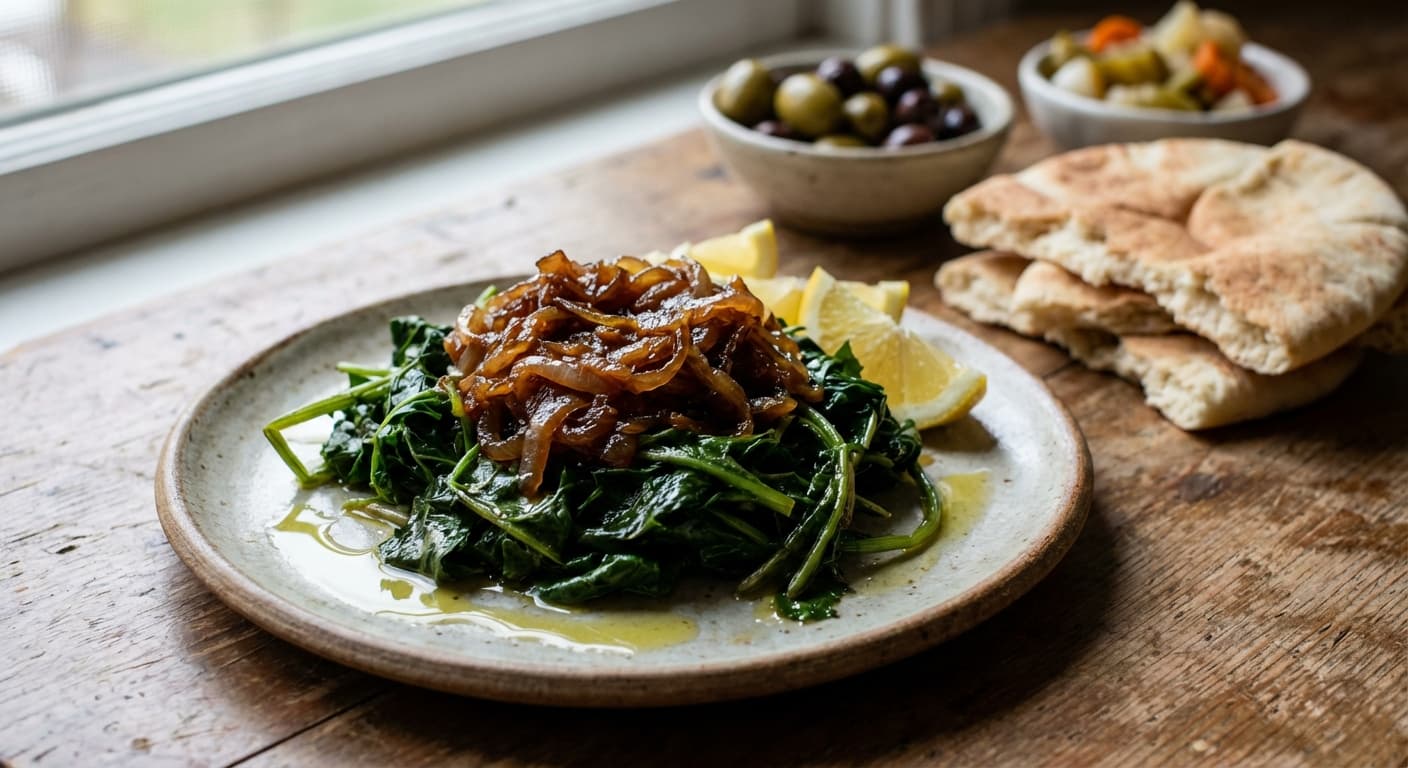
Hindbeh b Zeit (هندبة بزيت) — Lebanese dandelion greens with onions and olive oil
Lebanese · Side Dishes · 55 min
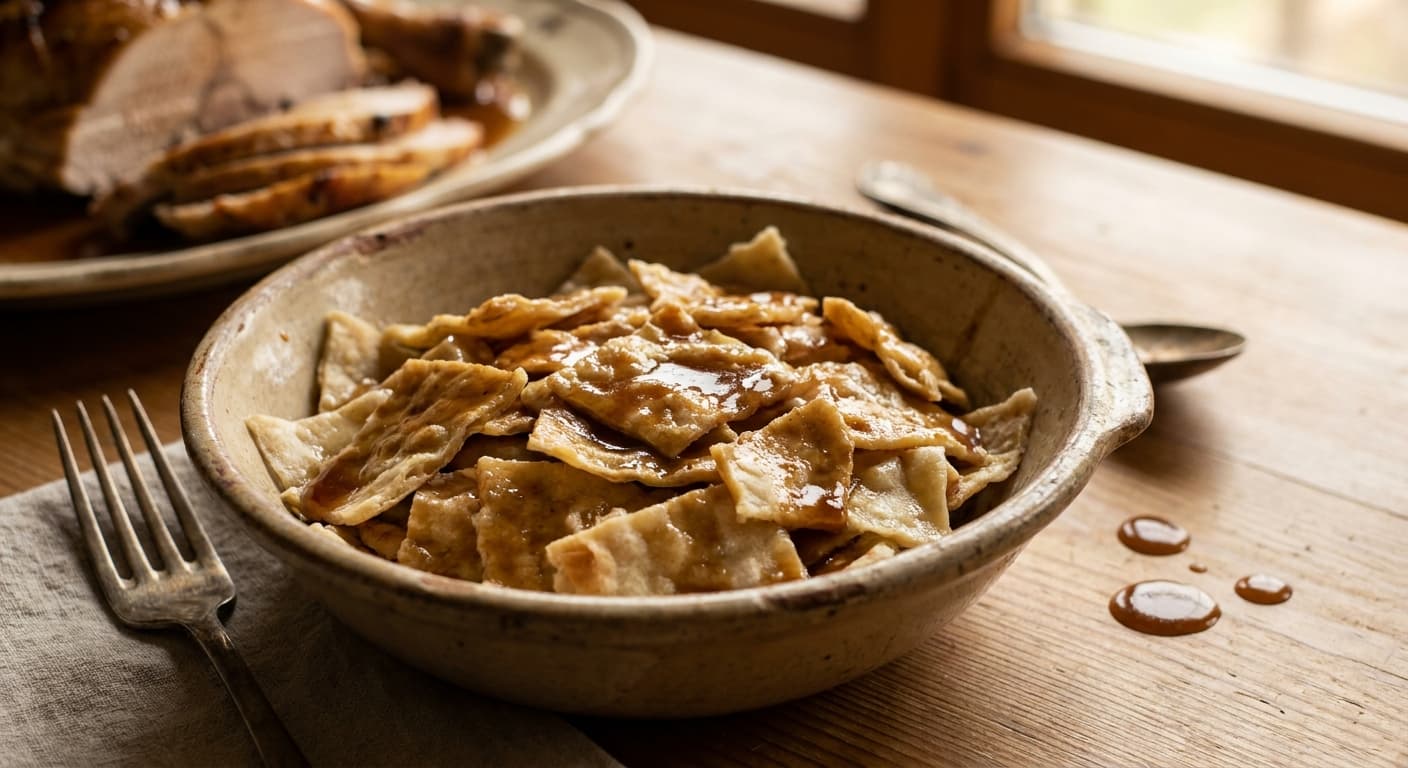
Zagorje Mlinci (Zagorski mlinci) — Thin Baked Flatbread for Roast Juices
Croatian · Side Dishes · 73 min
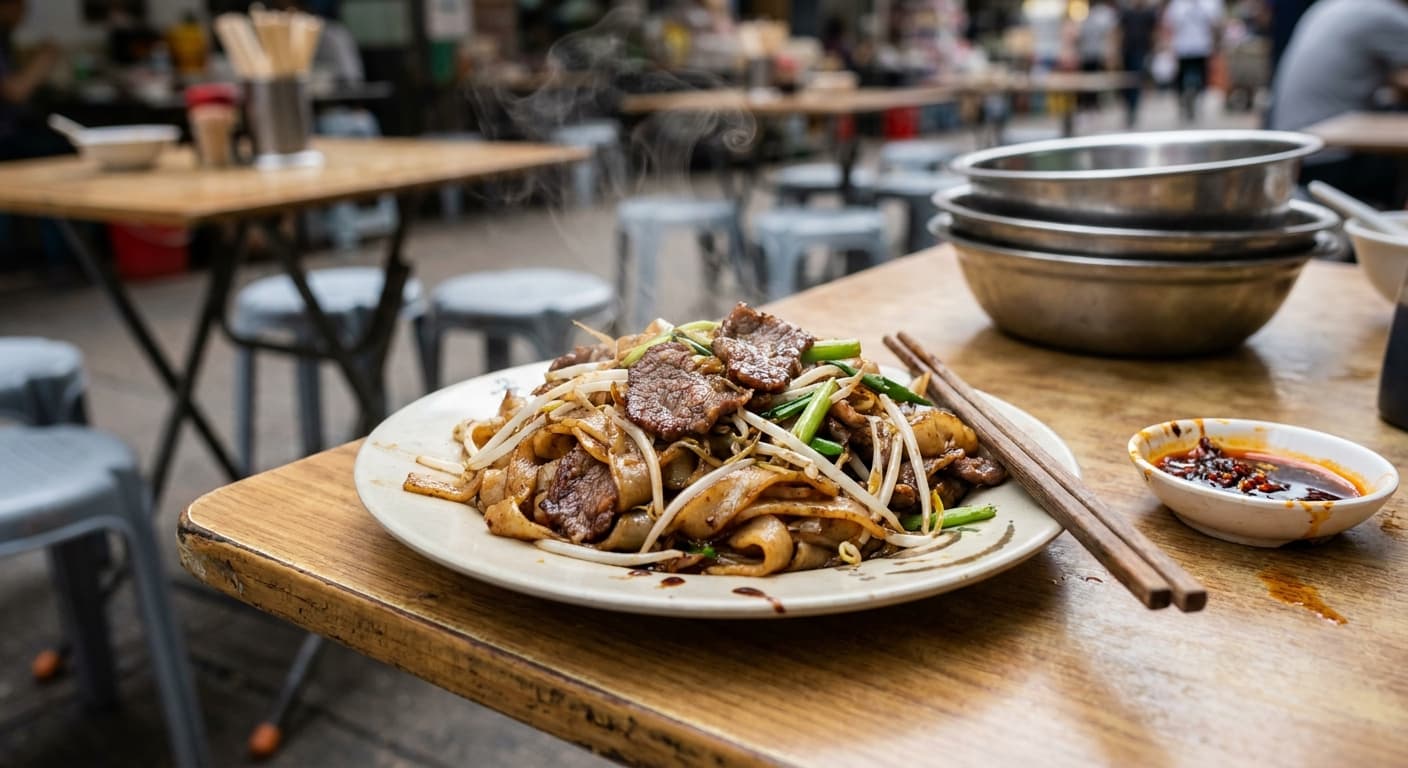
Beef Chow Fun (干炒牛河) — Cantonese Wok-Fried Rice Noodles with Beef
Chinese · Main Courses · 33 min
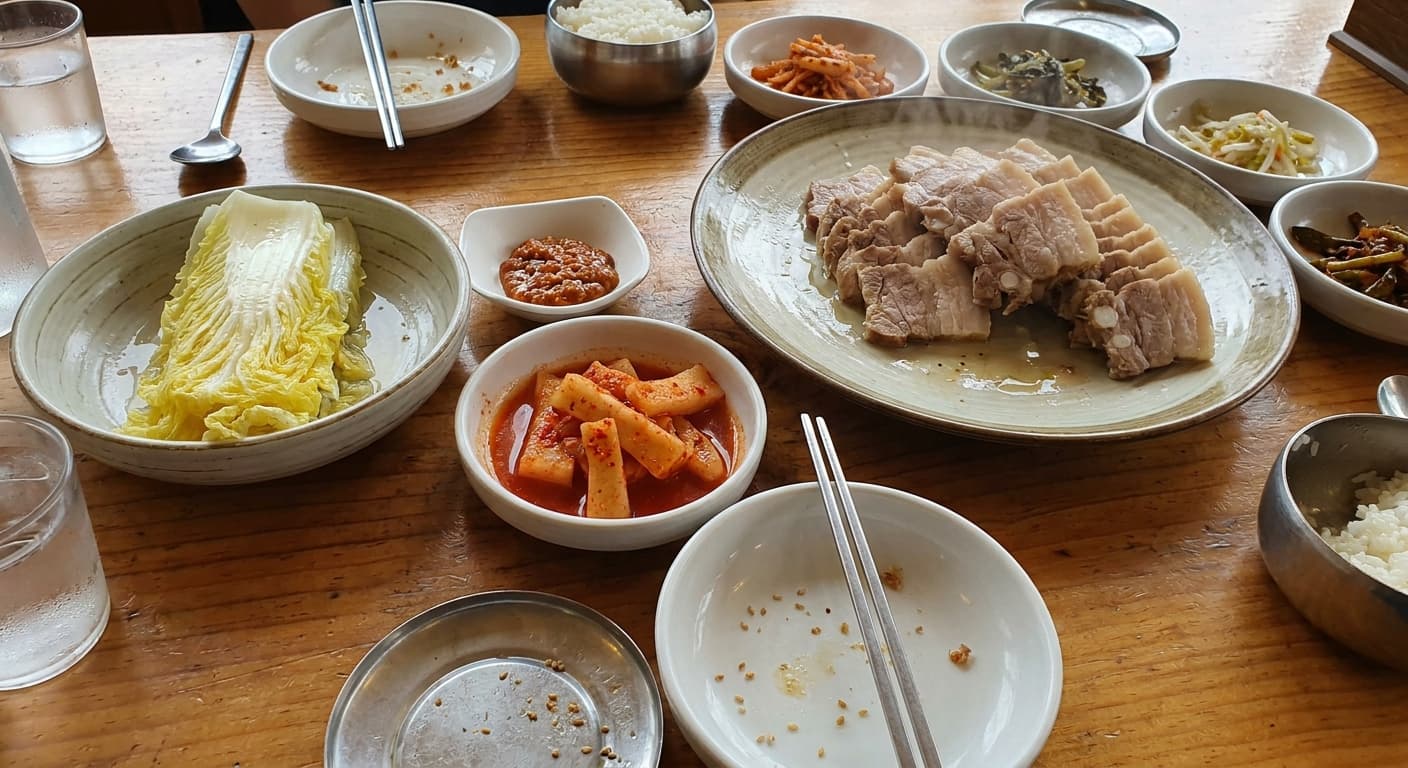
Bossam (보쌈) — Korean Boiled Pork Lettuce Wraps
Korean · Main Courses · 135 min
Tamagoyaki (卵焼き) — Japanese Rolled Omelette
Japanese · Side Dishes · 22 min
Reviews
Cooked this recipe?
Tap the stars to rate it — that's all it takes. A few words are welcome but optional.
No ratings yet. Cooked this one? Be the first to rate it — it takes one tap.