Onsen Tamago (温泉卵) — Silky Japanese Hot-Spring Egg
Onsen tamago is a softly set Japanese egg inspired by eggs cooked in natural hot springs. The custardy yolk and barely set white are served with a light soy-mirin dashi sauce, often at ryokan breakfasts.
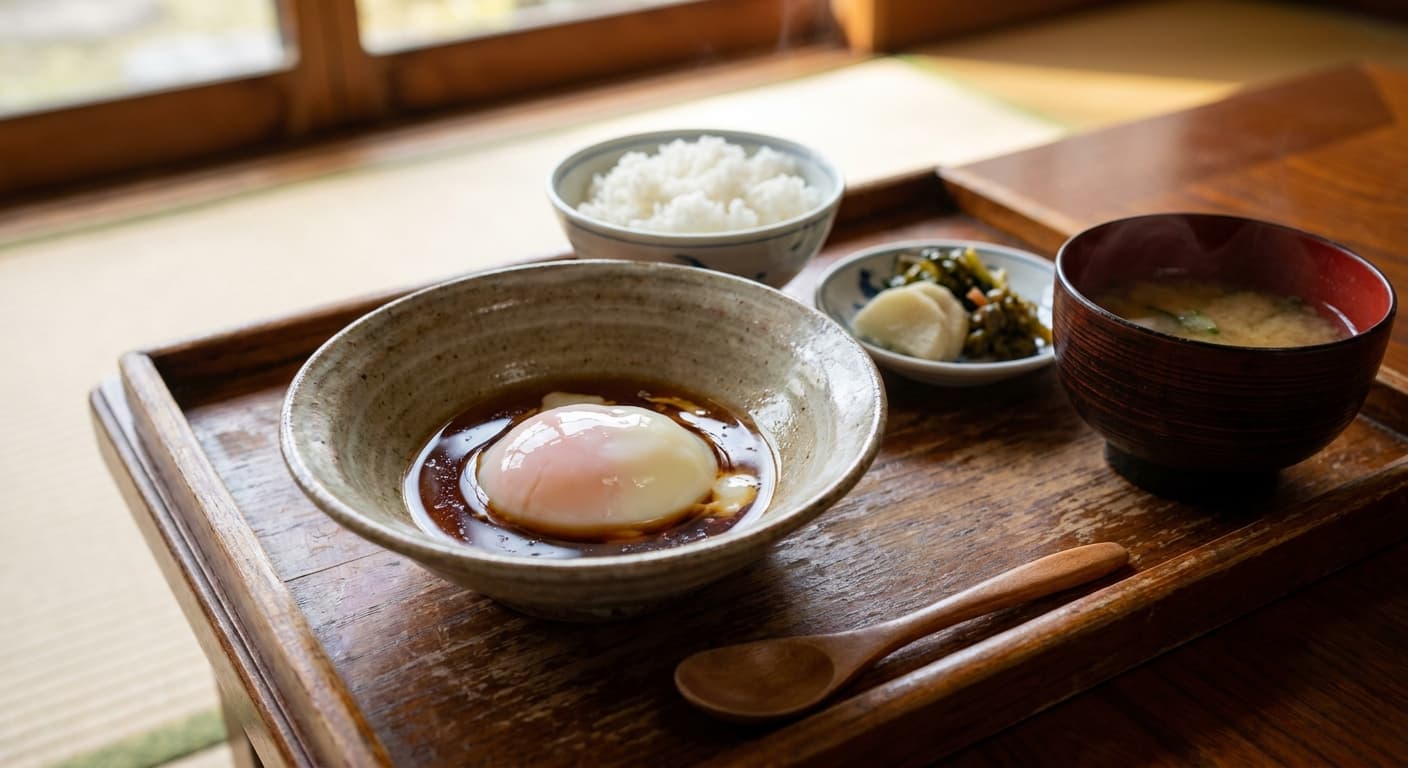
Printable Recipe Card
Servings: 4 · Total: 40 min · Difficulty: medium
Ingredients (quick list)
- 4 large eggs (about 50 g each, shells intact)
- 2.5 l water
- 250 g ice
- 120 ml awase dashi (kombu and katsuobushi dashi; contains fish)
- 20 ml Japanese soy sauce
- 20 ml mirin
- 2 g granulated sugar
- 4 sprig mitsuba (optional, finely chopped)
Steps (summary)
- Take the eggs from the refrigerator and let them stand at room temperature for 10 minutes while you prepare the bath and sauce.…
- Make the sauce by combining the awase dashi, soy sauce, mirin, and sugar in a small saucepan. Bring it just to a simmer for 1 m…
- Heat 2.5 l water in a pot or set an immersion circulator to 67.5 C. Use a thermometer and keep the water between 67 C and 68.5…
- Lower the eggs gently into the water with a slotted spoon and cook for 30 minutes. If using a pot without a circulator, keep th…
- Transfer the eggs to the prepared ice-water bath for 5 minutes to stop carryover cooking while keeping the centers softly warm.…
- Crack each egg into a small bowl, opening the shell close to the surface so the delicate egg slides out whole. Spoon 30 ml of t…
Cultural Background
The name means hot-spring egg, recalling eggs slowly cooked in naturally warm onsen water. Today it appears at ryokan breakfasts, noodle shops, and home tables as a quiet expression of Japanese temperature control and restraint.
Equipment
💡 Tips
- Use a thermometer, not visual cues; onsen tamago depends on a narrow temperature range.
- Do not boil the eggs first, because this dish should have a custardy yolk and a very soft white rather than a firm soft-boiled texture.
- For the cleanest bowl presentation, crack the egg into a small ladle first, then slide it gently into the serving bowl.
⚠️ Common Mistakes
❌ Cooking the eggs in boiling water
✅ Fix: Hold the bath at 67 C to 68.5 C so the yolk thickens before the white becomes firm.
❌ Skipping the cooling step
✅ Fix: Cool the eggs for at least 5 minutes in ice water to stop carryover cooking and protect the custardy texture.
❌ Using generic dashi without knowing the base
✅ Fix: Use awase dashi for classic flavor, or clearly choose kombu-shiitake dashi if you need a vegetarian version.
🧊 How to Store
Keep uncracked cooked eggs refrigerated for up to 2 days. Store the sauce separately for up to 4 days. Rewarm eggs in 60 C water for 8 minutes, then crack and serve; do not microwave them in the shell.
📅 Make Ahead
Cook the eggs up to 2 days ahead and refrigerate them uncracked. Prepare the sauce up to 4 days ahead, then rewarm the eggs gently in 60 C water before serving.
🍽️ Pairs Well With
- Steamed Japanese rice
- miso soup
- grilled salmon
- tsukemono
- chilled soba
- beef gyudon.
Regional Variations
- In onsen towns, eggs may be cooked directly in mineral hot-spring water, which can give the shell a faint mineral aroma.
- For noodle shops, the egg is often served over udon, soba, or ramen with a stronger soy-based broth instead of a separate dipping sauce.
- Home versions sometimes use a thermos filled with measured hot water to mimic a stable hot-spring bath without special equipment.
Ingredients
- 4large eggs (about 50 g each, shells intact)
- 2.5 lwater
- 250 gice
- 120 mlawase dashi (kombu and katsuobushi dashi; contains fish)
- 20 mlJapanese soy sauce
- 20 mlmirin
- 2 ggranulated sugar
- 4 sprigmitsuba (optional, finely chopped)
🔄 Substitutions
- awase dashi→ kombu-shiitake dashi
- Japanese soy sauce→ tamari
- mirin→ alcohol-free mirin-style seasoning
Instructions
- 1
Take the eggs from the refrigerator and let them stand at room temperature for 10 minutes while you prepare the bath and sauce. This reduces the temperature shock when the eggs enter the hot water and helps the texture set evenly.
- 2
Make the sauce by combining the awase dashi, soy sauce, mirin, and sugar in a small saucepan. Bring it just to a simmer for 1 minute to dissolve the sugar and soften the mirin aroma, then remove it from the heat and let it cool to room temperature.
- 3
Heat 2.5 l water in a pot or set an immersion circulator to 67.5 C. Use a thermometer and keep the water between 67 C and 68.5 C, because a hotter bath will firm the white too much and a cooler bath will leave the yolk runny.
- 4
Lower the eggs gently into the water with a slotted spoon and cook for 30 minutes. If using a pot without a circulator, keep the pot uncovered, check the temperature every 3 minutes, and briefly return it to low heat only when the water drops below 67 C.
- 5
Transfer the eggs to the prepared ice-water bath for 5 minutes to stop carryover cooking while keeping the centers softly warm. If you prefer a warmer service, cool them for exactly 2 minutes instead and serve immediately.
- 6
Crack each egg into a small bowl, opening the shell close to the surface so the delicate egg slides out whole. Spoon 30 ml of the cooled sauce around each egg and garnish each serving with 1 sprig of chopped mitsuba if using.
🪪 Recipe Passport
Cultural Background
The name means hot-spring egg, recalling eggs slowly cooked in naturally warm onsen water. Today it appears at ryokan breakfasts, noodle shops, and home tables as a quiet expression of Japanese temperature control and restraint.
Regional Variations
Researched from multiple sources and validated by the Zaffaron editorial team. Every recipe is tested for accuracy, measurements, and cultural authenticity.
📚 Sources & Cultural References
- Shizuo Tsuji — Japanese Cooking: A Simple Art — (1980)
- Japan National Tourism Organization — Japanese Onsen and Ryokan Food Culture Materials
Sources cited by the Zaffaron editorial team during recipe research. Cultural and culinary references supporting authenticity claims.
Nutrition per serving
Pairs well with
If you enjoyed this recipe, here are a few related Zaffaron recipes to try next.
Does your family make this differently?
Every family has their own version. Maybe your grandmother adds a secret ingredient, or your aunt has a completely different technique. Preserve your family's version — with their name on it, forever.
You Might Also Like
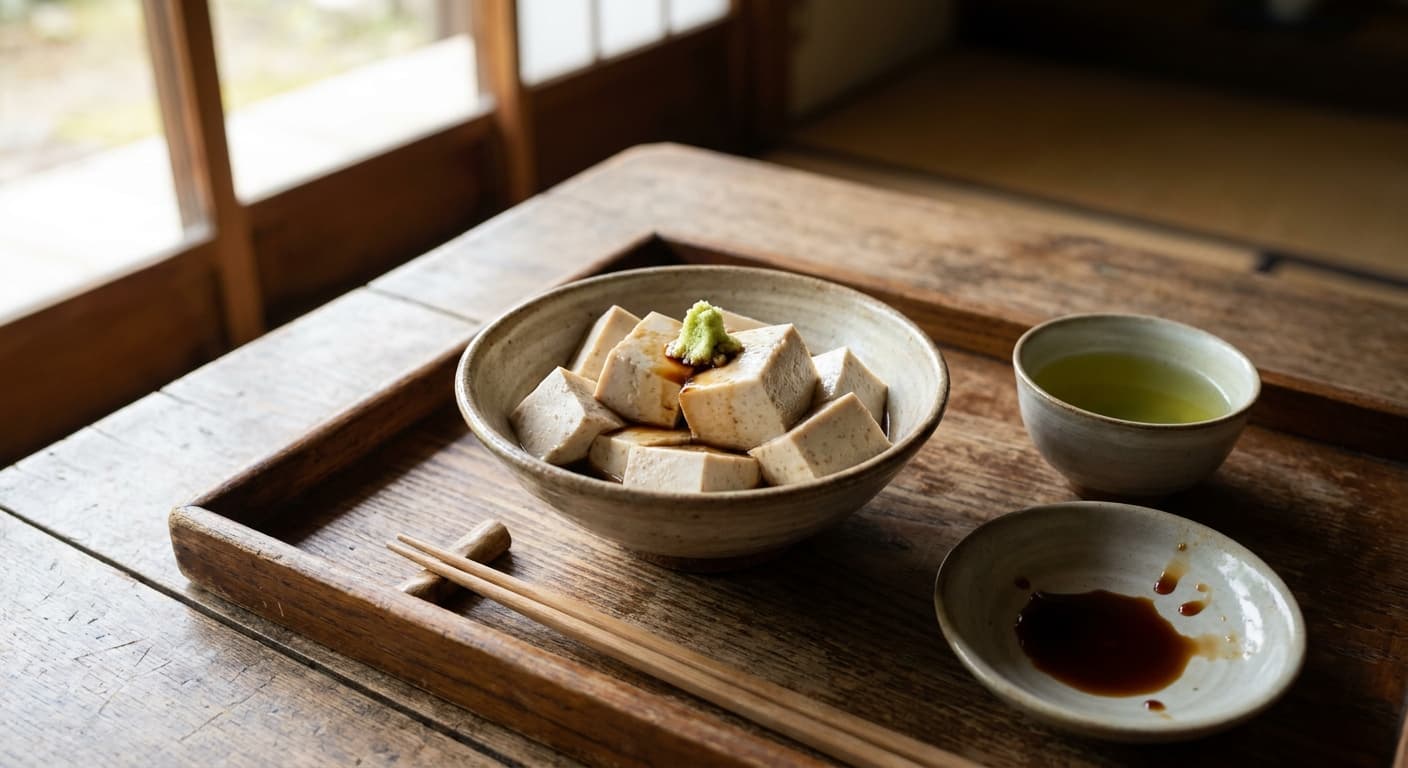
Goma-dofu (胡麻豆腐) — Shojin Sesame Kuzu Tofu
Japanese · Side Dishes · 28 min
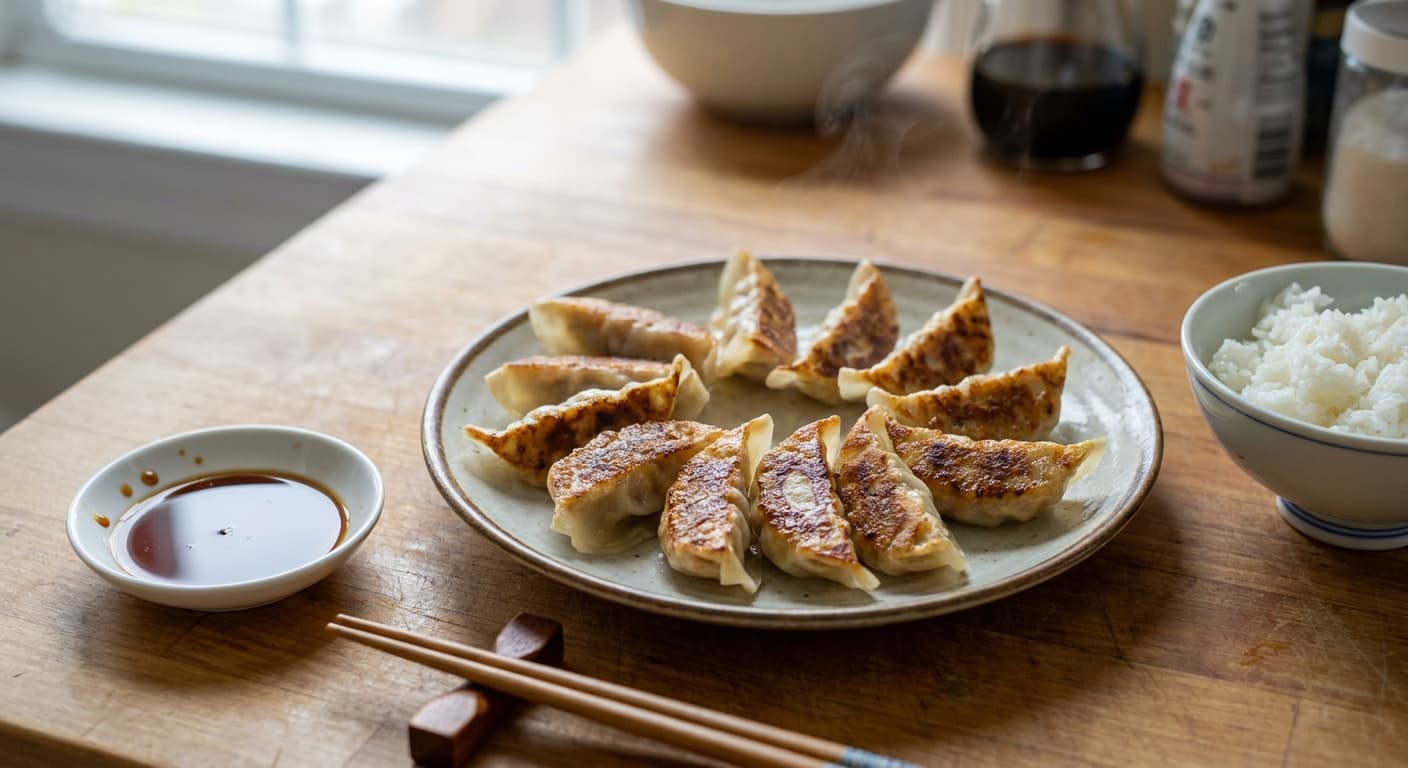
Gyoza (餃子) — Japanese Pan-Fried Dumplings
Japanese · Appetizers · 63 min
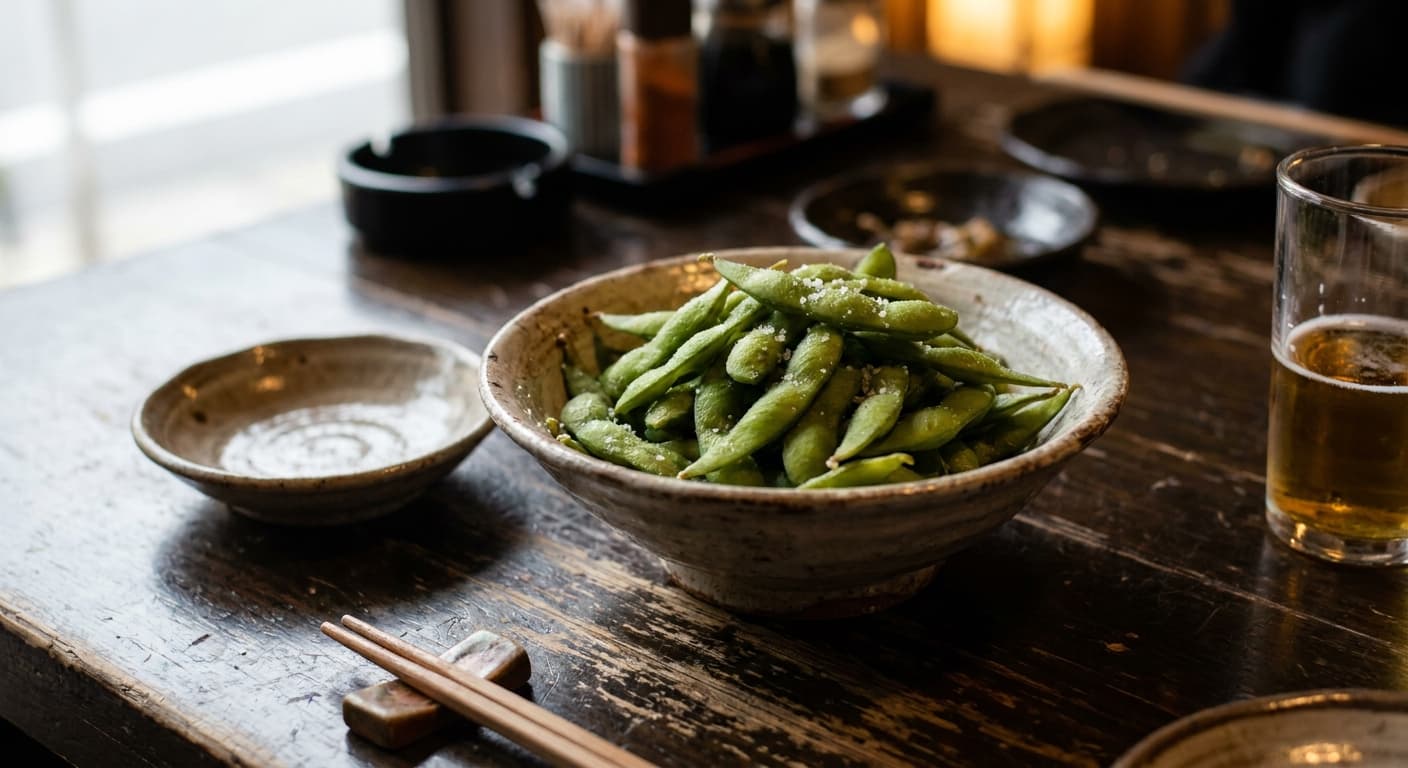
Edamame (枝豆) — Boiled Salted Soybeans, Japanese Izakaya Snack
Japanese · Appetizers · 15 min
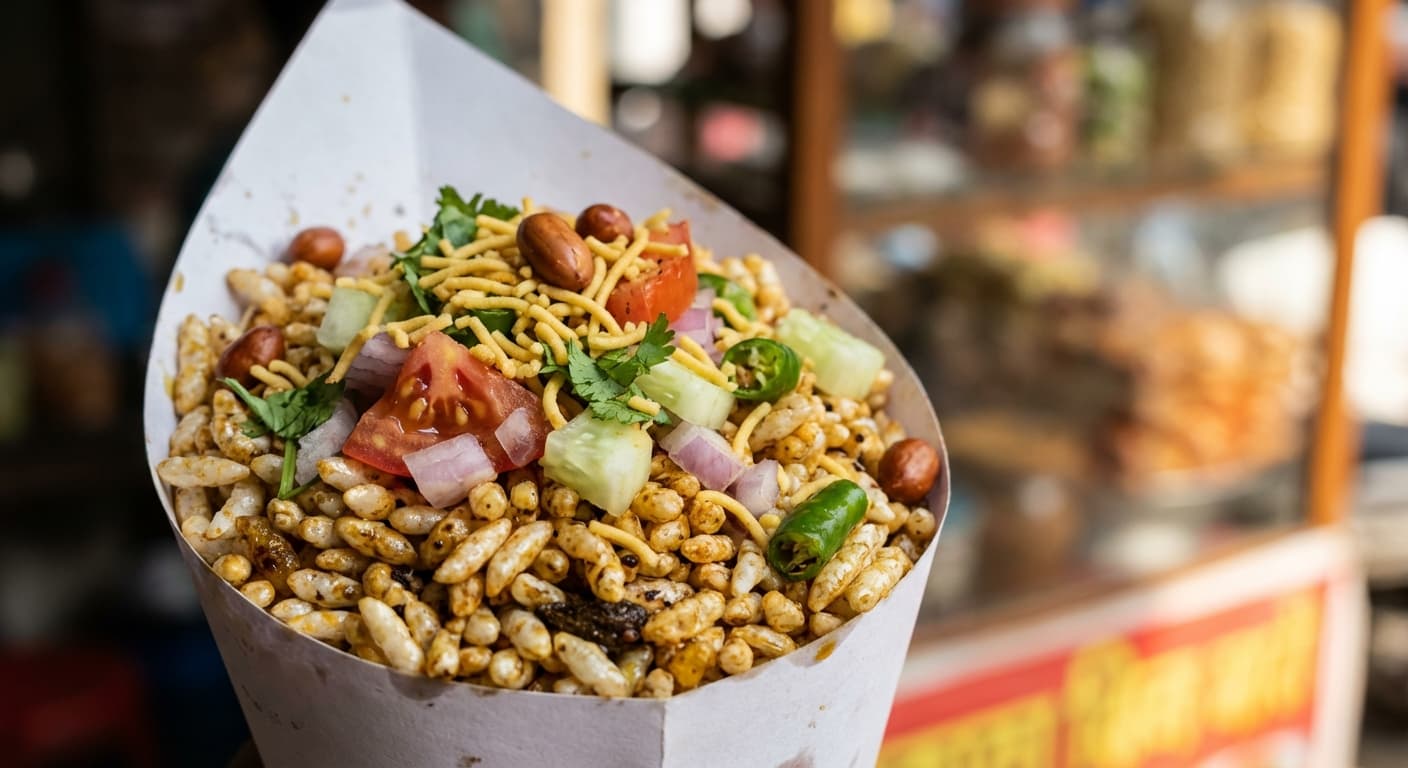
Jhal Muri (ঝাল মুড়ি) — Indian Puffed Rice Snack with Mustard Oil and Chilies
Indian · Side Dishes · 15 min
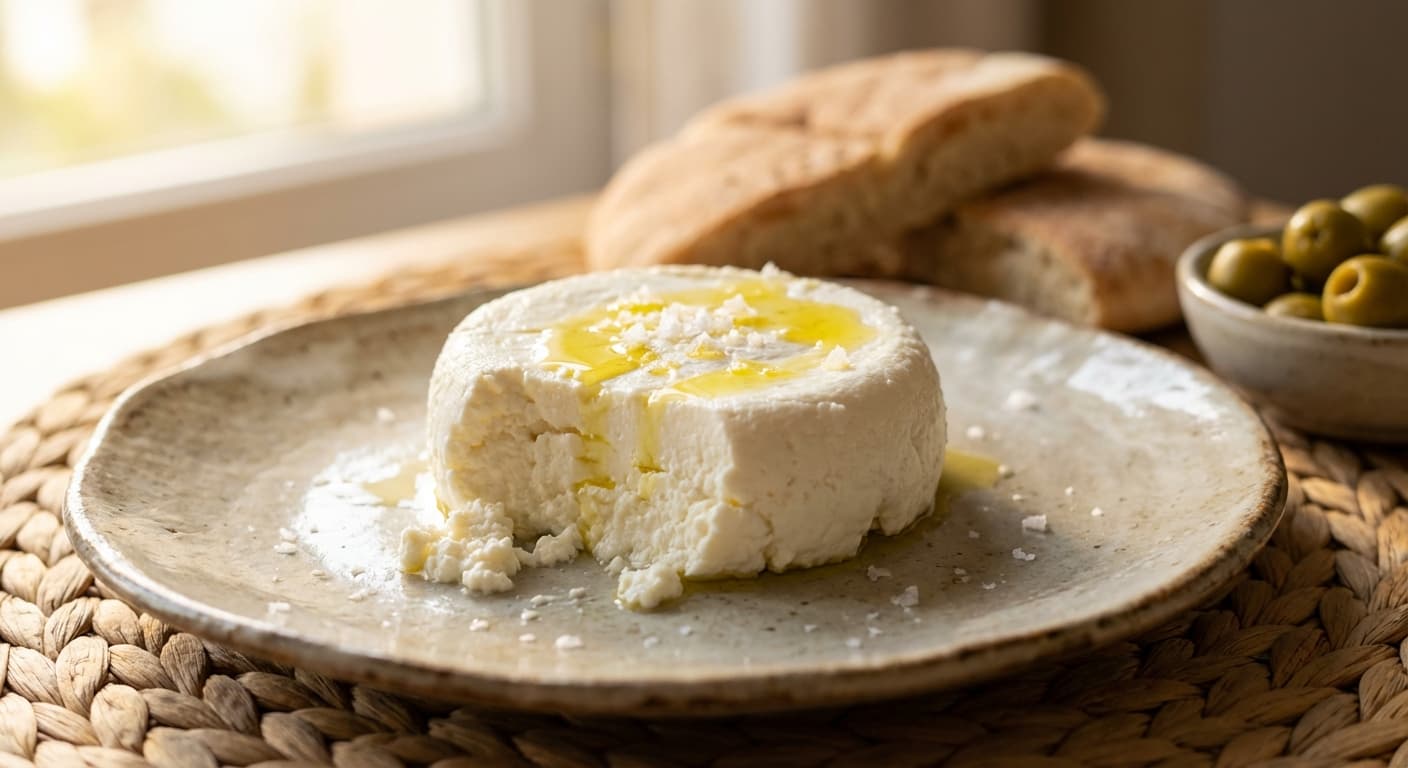
Jben (جبن) — Moroccan Fresh Soft Cheese, Lightly Salted and Milky
Moroccan · Side Dishes · 35 min
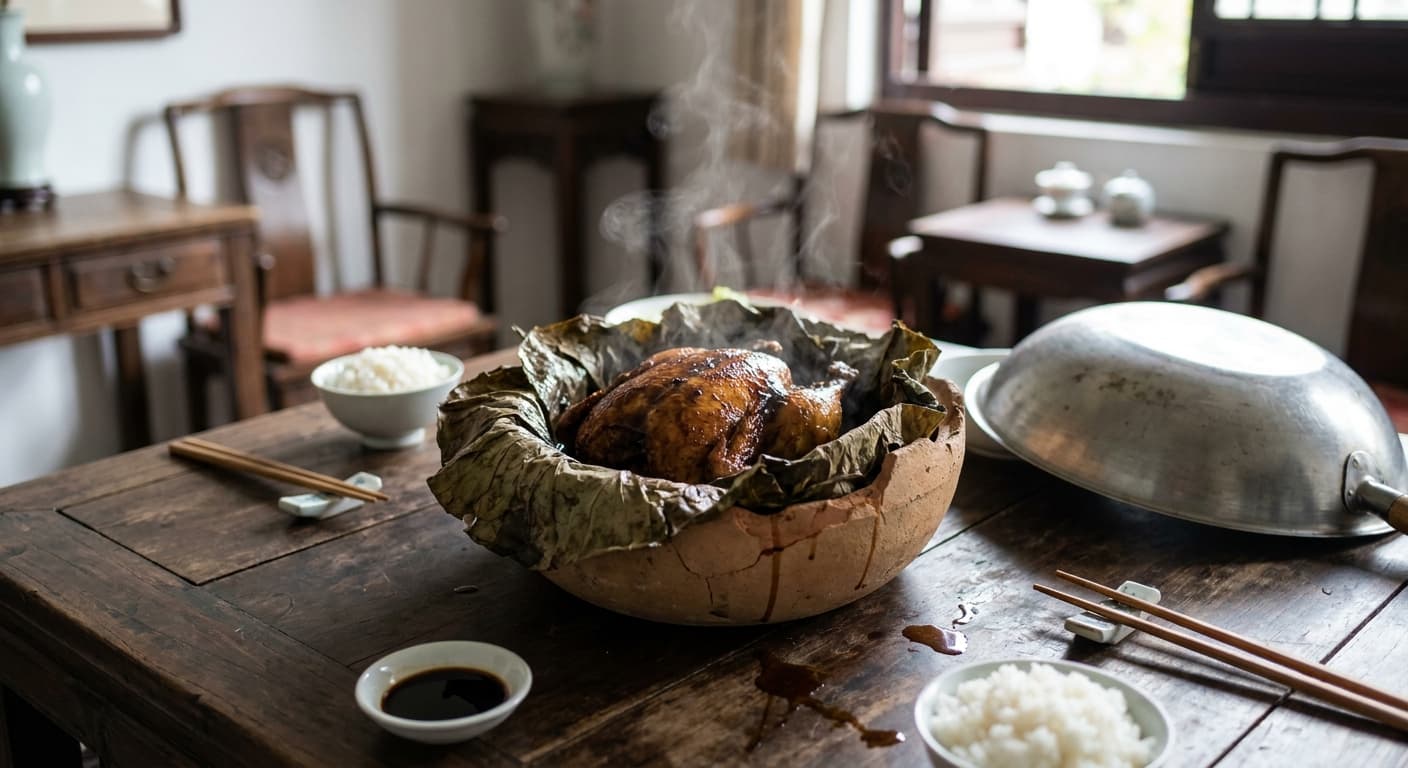
Beggar's Chicken (叫化鸡) — Lotus-Wrapped Clay-Baked Jiangnan Chicken
Chinese · Main Courses · 240 min
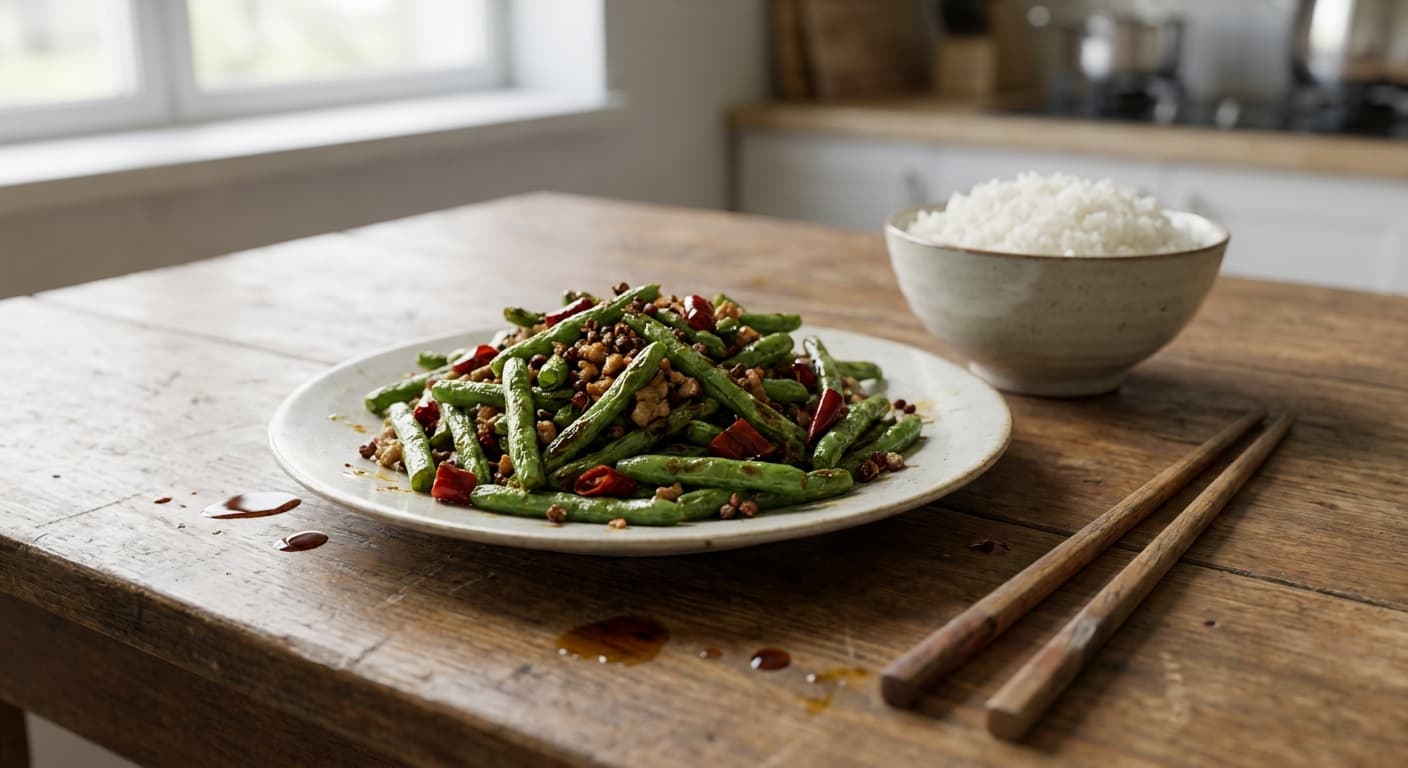
Dry-Fried Green Beans (干煸四季豆) — Sichuan Wok-Blistered Beans with Pork
Chinese · Side Dishes · 27 min
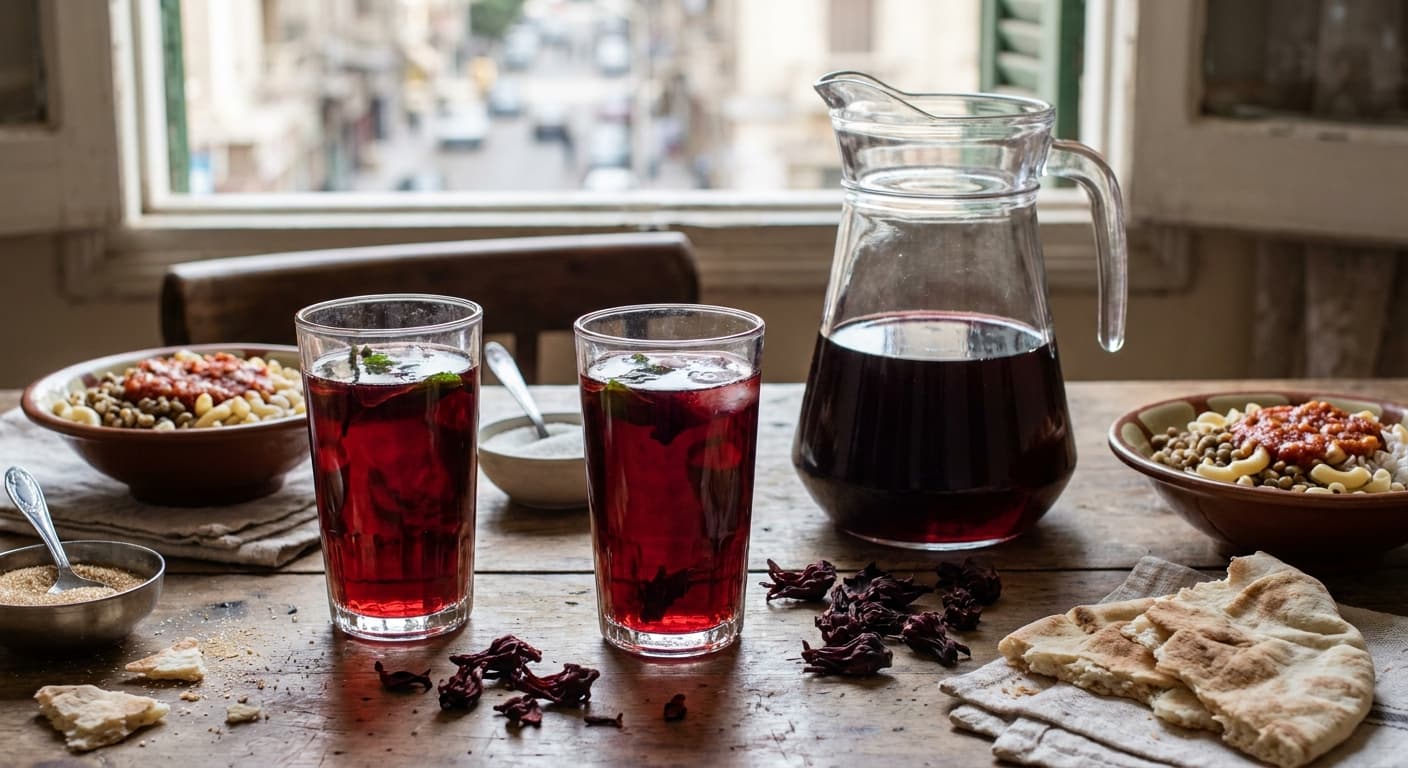
Egyptian Karkadeh (كركديه) — Chilled Hibiscus Tea
Egyptian · Drinks · 18 min
Reviews
Cooked this recipe?
Tap the stars to rate it — that's all it takes. A few words are welcome but optional.
No ratings yet. Cooked this one? Be the first to rate it — it takes one tap.