Edamame (枝豆) — Boiled Salted Soybeans, Japanese Izakaya Snack
Edamame are young soybeans boiled in their pods and salted, a classic Japanese bar snack and summer home dish. The pods are not eaten; diners pop the tender beans out with their teeth.
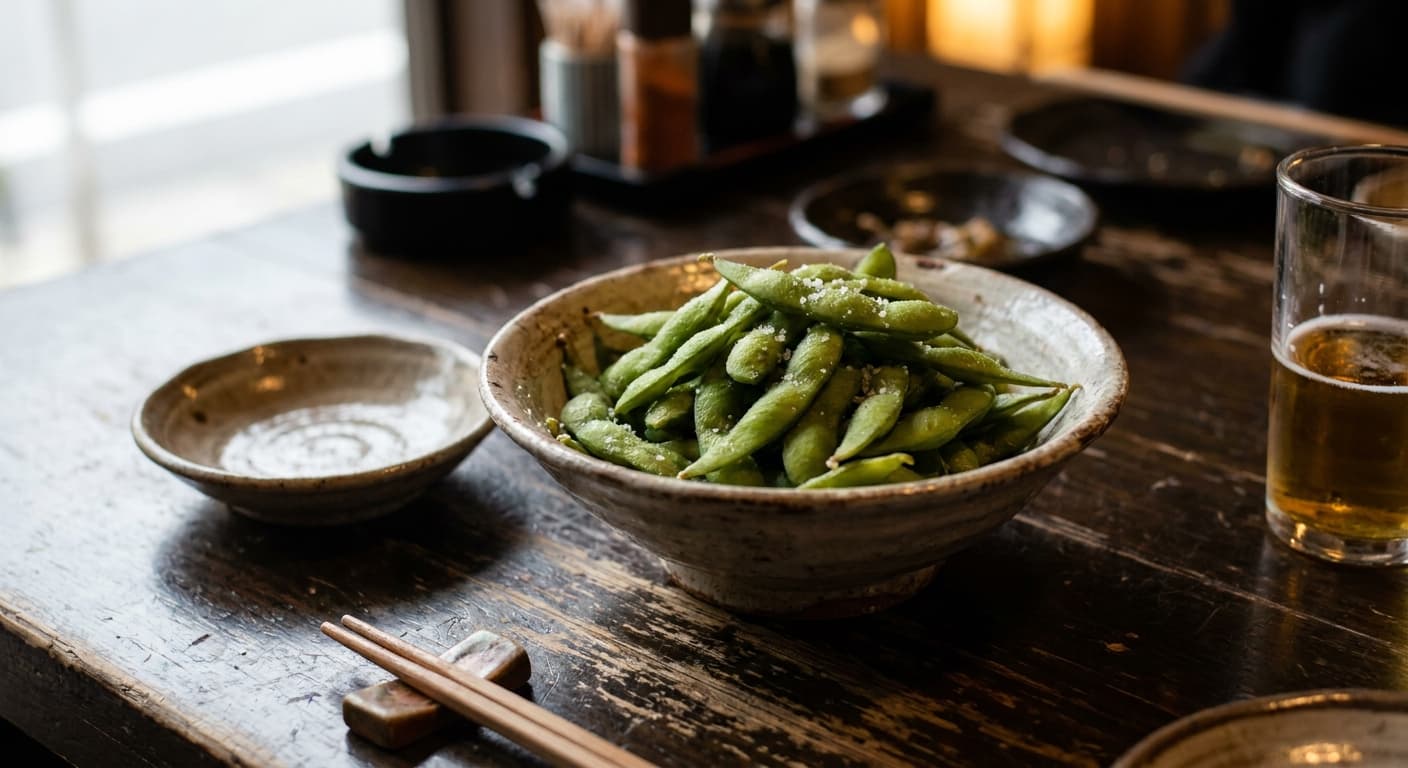
Printable Recipe Card
Servings: 4 · Total: 15 min · Difficulty: easy
Ingredients (quick list)
- 400 g fresh edamame in pods (frozen edamame in pods may be used without thawing)
- 8 g kosher salt
- 1.5 l water
- 2 g flaky sea salt
Steps (summary)
- Rinse the edamame pods under cold running water and drain them well. If the pods have tough stem ends, trim about 2 mm from the…
- Place the drained pods in a bowl and sprinkle them with 8 g kosher salt. Rub the pods firmly between your palms for 1 minute to…
- Bring 1.5 l water to a full rolling boil in a medium saucepan and add 18 g kosher salt. Add the salted edamame pods, including…
- Test one pod by removing a bean and biting it; it should be tender but still gently firm, not mushy. Drain the pods immediately…
- Spread the hot pods on a tray for 2 minutes so excess steam escapes and the pods stay bright green. Transfer them to a serving…
Cultural Background
Edamame is closely associated with casual Japanese drinking culture, especially summer evenings when boiled green soybeans are served with beer. Its simplicity highlights seasonality, shared snacking, and restrained seasoning.
Equipment
💡 Tips
- Do not overcook edamame; the best texture is tender beans with a slight bite.
- Salt-rubbing the pods before boiling improves flavor and removes the fuzzy surface texture.
- Serve edamame in a shared bowl with a small empty dish nearby for discarded pods.
⚠️ Common Mistakes
❌ Rinsing the pods after boiling
✅ Fix: Drain them without rinsing so the surface salt and warm soybean aroma remain on the pods.
❌ Boiling until the beans are soft and dull
✅ Fix: Start checking at 4 minutes and drain as soon as the beans are tender with a gentle bite.
❌ Eating the pods
✅ Fix: Use your teeth or fingers to pop the beans from the pods, then discard the empty pods.
🧊 How to Store
Refrigerate leftover cooked edamame in an airtight container for up to 3 days. Eat chilled, bring to room temperature, or rewarm in boiling water for 30 seconds; avoid microwaving too long because the beans can toughen.
📅 Make Ahead
Boil edamame up to 1 day ahead, cool it quickly, and refrigerate it covered. Sprinkle with a fresh 1 g pinch of salt just before serving if the pods taste muted.
🍽️ Pairs Well With
- Cold lager
- iced green tea
- grilled yakitori
- cucumber sunomono
- miso soup.
Regional Variations
- In some izakaya, edamame is served chilled after boiling, especially during hot weather.
- Home cooks may trim both ends of each pod for deeper seasoning when serving a carefully prepared seasonal batch.
- A modern bar variation tosses the cooked pods with sesame oil, garlic, or chile, though the plain salted version is the standard classic.
Ingredients
- 400 gfresh edamame in pods (frozen edamame in pods may be used without thawing)
- 8 gkosher salt
- 1.5 lwater
- 2 gflaky sea salt
🔄 Substitutions
- fresh edamame in pods→ frozen edamame in pods
- kosher salt→ fine sea salt
- flaky sea salt→ coarse sea salt
Instructions
- 1
Rinse the edamame pods under cold running water and drain them well. If the pods have tough stem ends, trim about 2 mm from the stem end with kitchen shears so the salted water can season the beans more evenly.
- 2
Place the drained pods in a bowl and sprinkle them with 8 g kosher salt. Rub the pods firmly between your palms for 1 minute to clean the fine fuzz from the pods and lightly season the surface.
- 3
Bring 1.5 l water to a full rolling boil in a medium saucepan and add 18 g kosher salt. Add the salted edamame pods, including any salt left in the bowl, and boil uncovered for 4 minutes for fresh pods or 5 minutes for frozen pods.
- 4
Test one pod by removing a bean and biting it; it should be tender but still gently firm, not mushy. Drain the pods immediately in a colander, but do not rinse them because rinsing washes away the surface salt and aroma.
- 5
Spread the hot pods on a tray for 2 minutes so excess steam escapes and the pods stay bright green. Transfer them to a serving bowl, sprinkle with 2 g flaky sea salt, and serve warm or at room temperature.
🪪 Recipe Passport
Cultural Background
Edamame is closely associated with casual Japanese drinking culture, especially summer evenings when boiled green soybeans are served with beer. Its simplicity highlights seasonality, shared snacking, and restrained seasoning.
Regional Variations
Researched from multiple sources and validated by the Zaffaron editorial team. Every recipe is tested for accuracy, measurements, and cultural authenticity.
📚 Sources & Cultural References
- Shizuo Tsuji — Japanese Cooking: A Simple Art — (1980)
- Elizabeth Andoh — Washoku: Recipes from the Japanese Home Kitchen — (2005)
Sources cited by the Zaffaron editorial team during recipe research. Cultural and culinary references supporting authenticity claims.
Nutrition per serving
Pairs well with
If you enjoyed this recipe, here are a few related Zaffaron recipes to try next.
Does your family make this differently?
Every family has their own version. Maybe your grandmother adds a secret ingredient, or your aunt has a completely different technique. Preserve your family's version — with their name on it, forever.
You Might Also Like
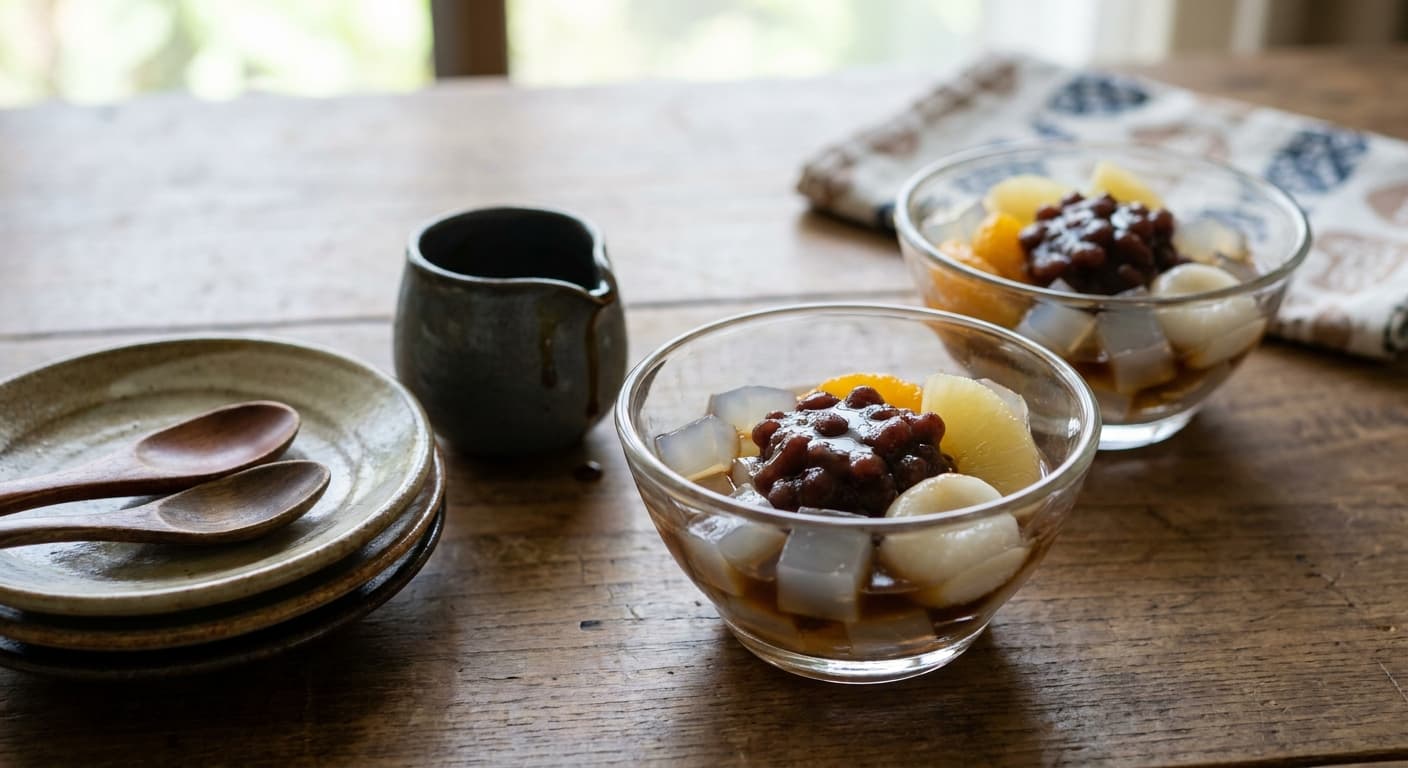
Anmitsu (あんみつ) — Kanten Jelly Dessert with Red Bean Paste
Japanese · Desserts · 55 min
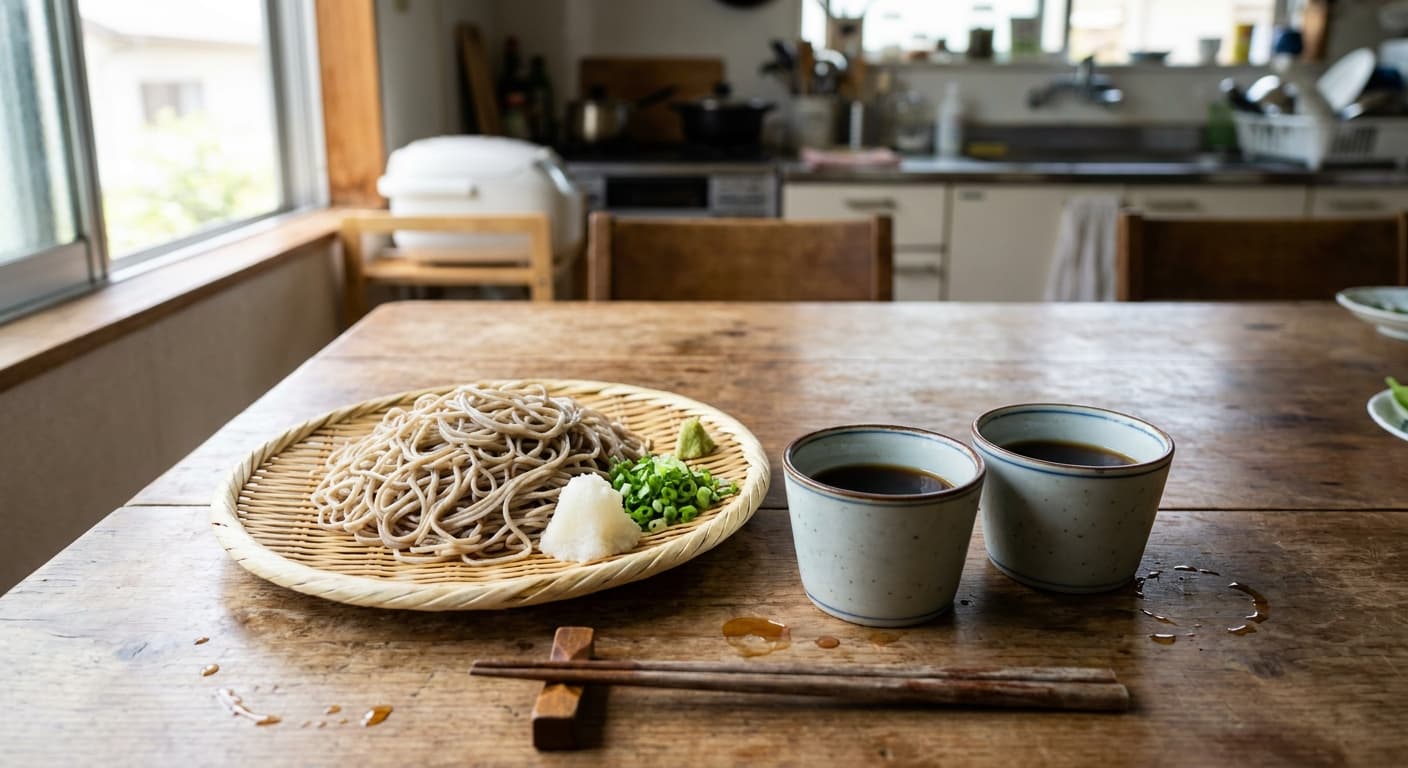
Soba (蕎麦) — Cold Buckwheat Noodles with Dipping Sauce
Japanese · Main Courses · 50 min
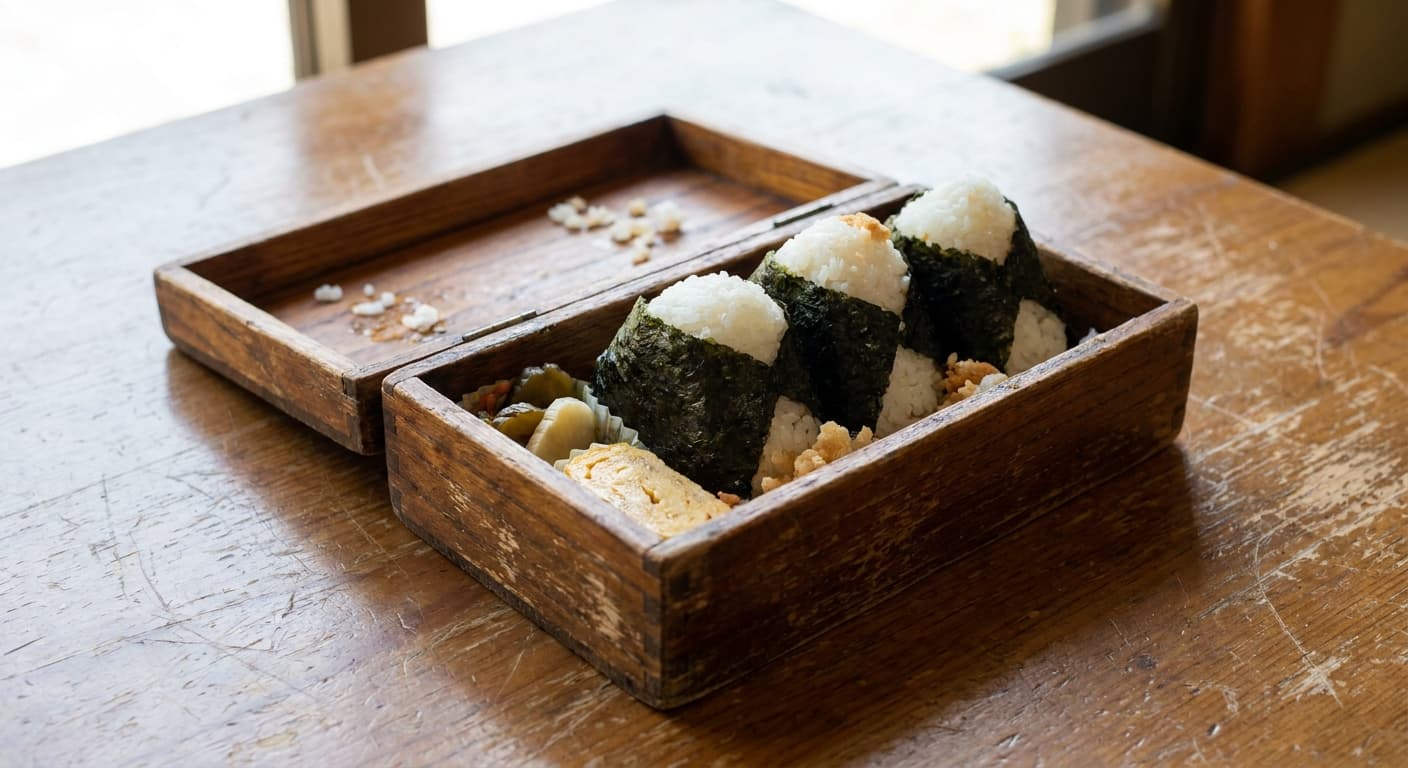
Filled Onigiri (具入りおにぎり) — Japanese Rice Balls with Classic Fillings
Japanese · Rice Dishes · 60 min
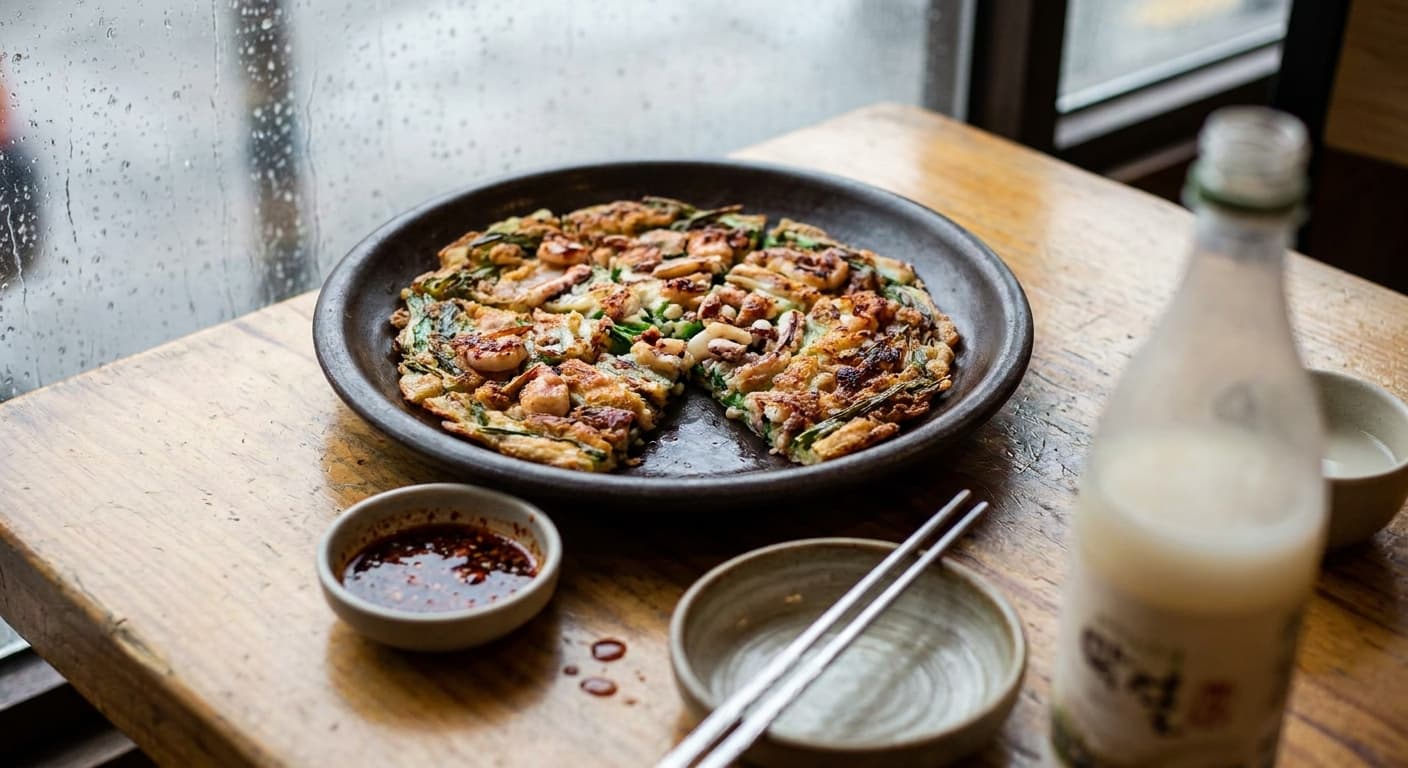
Haemul Pajeon (해물파전) — Korean Seafood Scallion Pancake
Korean · Appetizers · 41 min

Patatas Bravas (Patatas bravas) — Crisp Spanish Tapas Potatoes with Spicy Brava Sauce
Spanish · Appetizers · 55 min
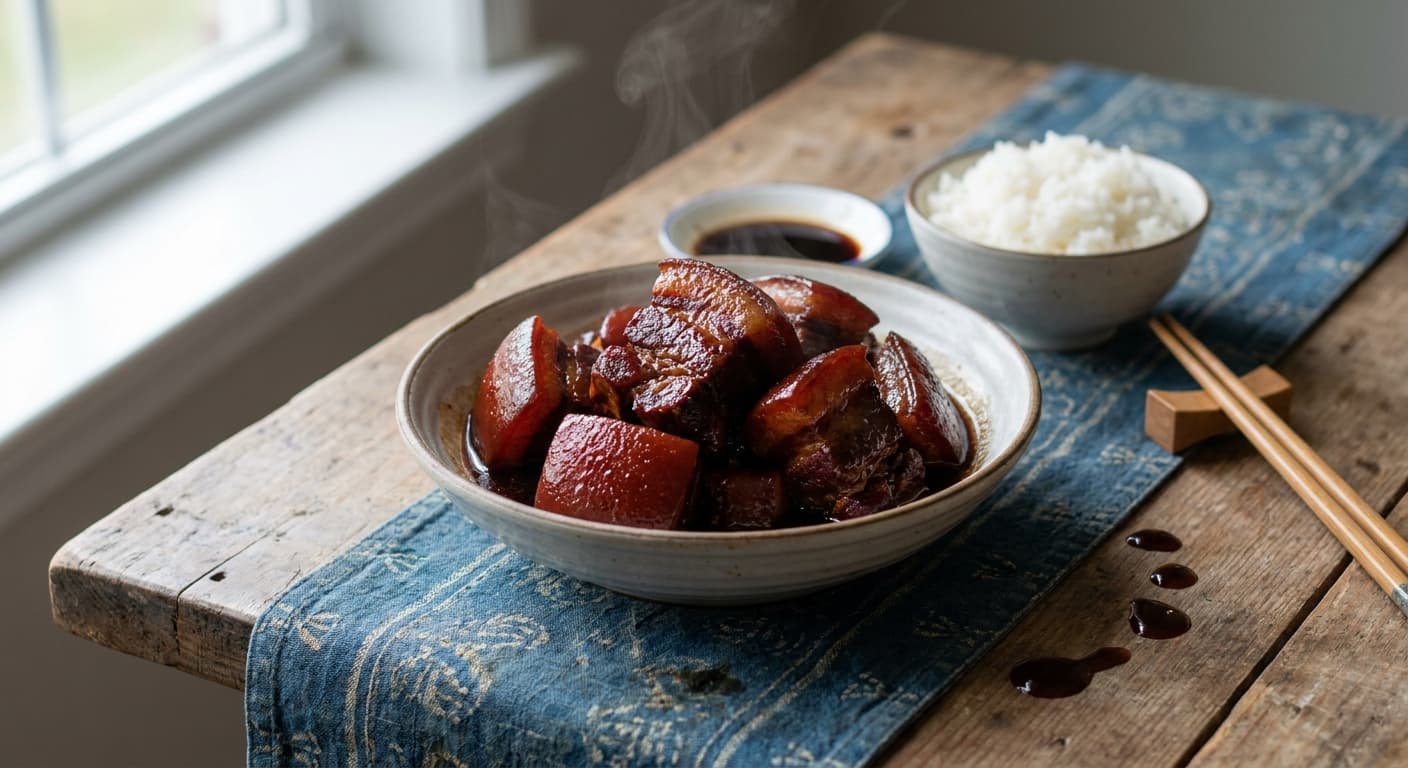
Dongpo Pork (东坡肉) — Hangzhou Red-Braised Pork Belly
Chinese · Main Courses · 205 min
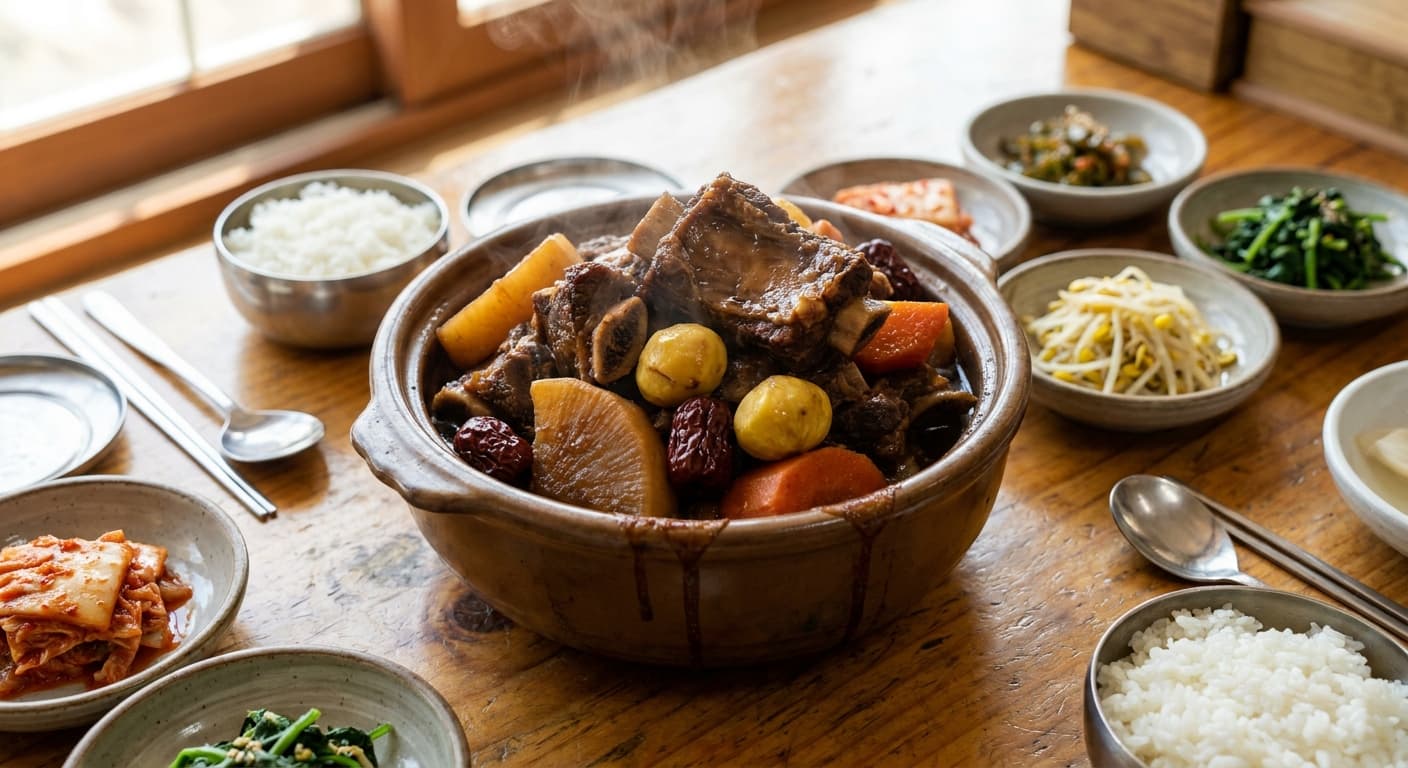
Galbi Jjim (갈비찜) — Korean Braised Short Ribs
Korean · Main Courses · 175 min
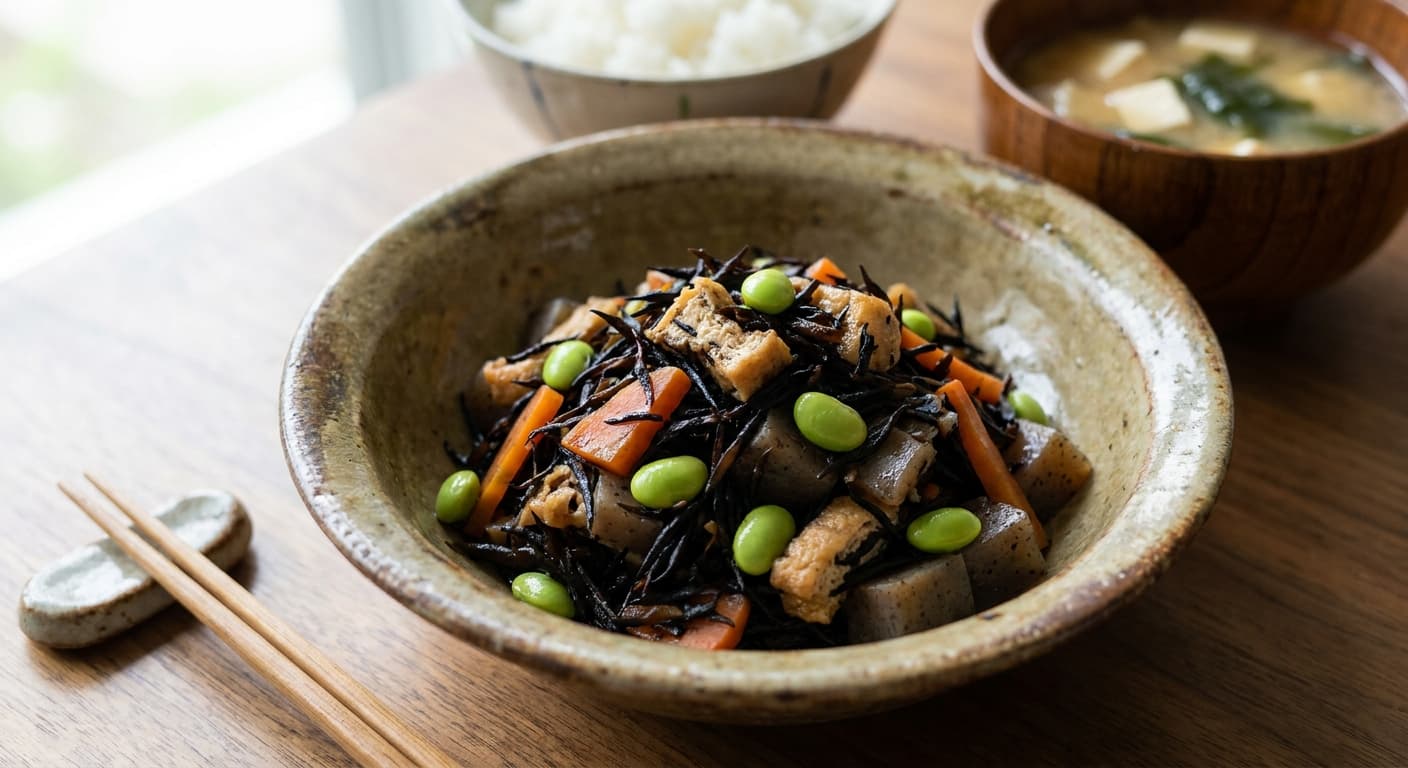
Hijiki no Nimono (ひじきの煮物) — Savory Simmered Hijiki Seaweed
Japanese · Side Dishes · 43 min
Reviews
Cooked this recipe?
Tap the stars to rate it — that's all it takes. A few words are welcome but optional.
No ratings yet. Cooked this one? Be the first to rate it — it takes one tap.