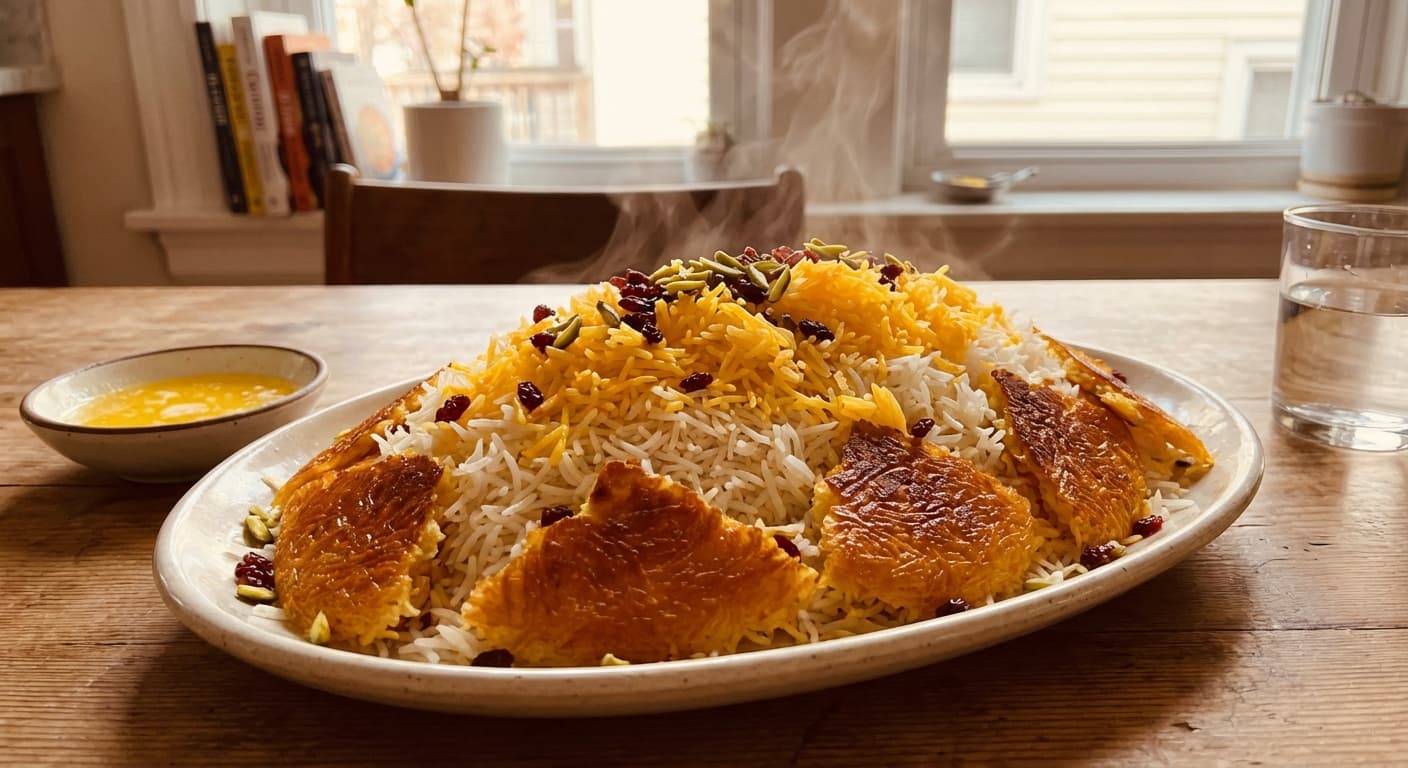
Chelo (چلو) — Persian Steamed Rice with Tahdig
A master method for Persian chelo: long, separate grains and a crisp golden tahdig. Learn proper rinsing, soaking, parboiling, steaming, and crust-making with precise times and temperatures for reliable results anywhere.
Printable Recipe Card
Servings: 6 · Total: 125 min · Difficulty: medium
Ingredients (quick list)
- 500 g Basmati rice (aged if available; about 2 1/2 cups)
- 1500 ml Lukewarm water (for soaking and rinsing as needed)
- 18 g Fine sea salt (about 1 tablespoon, for soaking and parboiling water)
- 2500 ml Water (for parboiling (use enough to fill a 5–6 L pot two-thirds full))
- 60 ml Neutral oil (about 1/4 cup; sunflower, canola, or grapeseed)
Steps (summary)
- Rinse the rice in a bowl with lukewarm water, swirling gently with your fingers, then drain. Repeat 5–7 times until the water l…
- Bring 2,500 ml water to a strong boil in a 5–6 L nonstick or well-seasoned pot over high heat. Add the remaining 8 g salt. Drai…
- Immediately drain the rice into a fine-mesh colander. Rinse quickly with 250 ml cool water to stop cooking and wash off loosene…
- Return the pot to medium heat and add 60 ml neutral oil. Swirl to coat the base evenly. Add 45 ml water to the oil (stand back…
- Mound the remaining rice into the pot in a pyramid shape to encourage steam circulation. Using the handle of a wooden spoon, po…
- Reduce heat to low and steam 35–40 minutes. You should hear a gentle sizzle, not aggressive frying; adjust heat as needed. When…
Cultural Background
Steamed rice is a central technique in Persian home cooking and hospitality, often judged by grain separation and the quality of tahdig. Chelo is commonly served alongside stews and grilled meats, while the same method forms the foundation for mixed rice dishes known as polow.
Equipment
💡 Tips
- Choose long-grain basmati; aged basmati tends to elongate more and clump less.
- The parboil endpoint is the main control: shorter boil (6 minutes) yields firmer grains; longer (8 minutes) yields softer rice but higher risk of breakage.
- A towel-wrapped lid prevents condensation from dripping back and making the rice gummy.
- If your stove runs hot, use a heat diffuser on low to avoid burning the tahdig before the rice finishes steaming.
- For a deeper golden crust, extend the low-heat steaming by 5–10 minutes, monitoring aroma to prevent bitterness.
⚠️ Common Mistakes
❌ Skipping thorough rinsing and soaking
💡 Why: Excess surface starch and uneven hydration can lead to clumping and broken grains during parboil.
✅ Fix: Rinse 5–7 times and soak 60 minutes in salted lukewarm water; drain well before boiling.
❌ Overboiling during parboil
💡 Why: If the center cooks through, grains split and turn mushy during the steaming stage.
✅ Fix: Boil only until the outside is tender but the center remains firm (typically 6–8 minutes), then drain immediately.
❌ Heat too high during final steaming
💡 Why: Tahdig burns before the rice finishes steaming, creating bitterness and a hard, overly dark crust.
✅ Fix: After the initial 10 minutes on medium, steam on low 35–40 minutes; use a diffuser if needed and listen for a gentle sizzle.
❌ Lid not wrapped or opened too often
💡 Why: Condensation drips back and repeated heat loss makes the rice gummy and unevenly cooked.
✅ Fix: Wrap the lid with a towel and keep it closed until the resting stage; rely on timing and aroma rather than frequent checking.
🧊 How to Store
Cool rice within 1 hour. Refrigerate in an airtight container up to 4 days. Reheat covered with 1–2 tablespoons water in a pot over low heat 8–12 minutes, or microwave covered 2–3 minutes, stirring once. Tahdig is best fresh; re-crisp in a dry skillet 2–4 minutes per side.
📅 Make Ahead
Rinse and soak the rice up to 2 hours in advance at room temperature, or soak up to 8 hours refrigerated (drain well before parboiling). Parboiled rice can be drained and held 30 minutes at room temperature, loosely covered, before final steaming; add 5 extra minutes to the low-heat steam if chilled.
🍽️ Pairs Well With
- Persian saffron chicken or grilled kebabs
- Herb stew or tomato-based stews
- Yogurt with cucumber and herbs
- Pickles and fresh herbs
Regional Variations
- Tehran-style home cookingOften emphasizes very white, long grains with a thin, evenly golden tahdig; the rice is typically mounded high with multiple steam vents for maximum fluffiness.
- Northern Iran (Caspian influence)Rice is frequently paired with herb-forward sides and fish; cooks may prefer a slightly thicker tahdig and a softer steam to complement moist stews and braises.
- Diaspora kitchens (global)Electric coil or induction stoves may require a diffuser and slightly longer low steaming; some cooks use heavier pots for steadier heat and more predictable crust formation.
Ingredients
- 500 gBasmati rice (aged if available; about 2 1/2 cups)
- 1500 mlLukewarm water (for soaking and rinsing as needed)
- 18 gFine sea salt (about 1 tablespoon, for soaking and parboiling water)
- 2500 mlWater (for parboiling (use enough to fill a 5–6 L pot two-thirds full))
- 60 mlNeutral oil (about 1/4 cup; sunflower, canola, or grapeseed)
🔄 Substitutions
- Basmati rice→ Jasmine rice
- Neutral oil→ Ghee
- Fine sea salt→ Kosher salt
Instructions
- 1
Rinse the rice in a bowl with lukewarm water, swirling gently with your fingers, then drain. Repeat 5–7 times until the water looks mostly clear; this reduces surface starch for separate grains. Add 1,000 ml lukewarm water and 10 g salt, stir, and soak 60 minutes at room temperature.
- 2
Bring 2,500 ml water to a strong boil in a 5–6 L nonstick or well-seasoned pot over high heat. Add the remaining 8 g salt. Drain the soaked rice well, then pour it into the boiling water. Stir once gently to prevent sticking, and boil 6–8 minutes until grains are longer and tender on the outside but still firm in the center.
- 3
Immediately drain the rice into a fine-mesh colander. Rinse quickly with 250 ml cool water to stop cooking and wash off loosened starch (skip this rinse if you prefer a slightly stickier texture). Let the rice drain 5 minutes, then fluff lightly with a fork to release steam without breaking grains.
- 4
Return the pot to medium heat and add 60 ml neutral oil. Swirl to coat the base evenly. Add 45 ml water to the oil (stand back from splatter), then spoon in 1–2 cups of the parboiled rice to form an even layer on the bottom; press gently to eliminate gaps so the tahdig forms uniformly.
- 5
Mound the remaining rice into the pot in a pyramid shape to encourage steam circulation. Using the handle of a wooden spoon, poke 5–6 holes down to the bottom to create steam vents. Wrap the lid in a clean kitchen towel and tie it on; cover the pot and cook 10 minutes over medium heat to build steam.
- 6
Reduce heat to low and steam 35–40 minutes. You should hear a gentle sizzle, not aggressive frying; adjust heat as needed. When done, turn off heat and rest covered 5 minutes. To serve, fluff the top rice carefully. For tahdig release, place the pot on a damp towel 30 seconds, then invert onto a platter.
🪪 Recipe Passport
Cultural Background
Steamed rice is a central technique in Persian home cooking and hospitality, often judged by grain separation and the quality of tahdig. Chelo is commonly served alongside stews and grilled meats, while the same method forms the foundation for mixed rice dishes known as polow.
Regional Variations
Researched from multiple sources and validated by the Zaffaron editorial team. Every recipe is tested for accuracy, measurements, and cultural authenticity.
Nutrition per serving
Pairs well with
If you enjoyed this recipe, here are a few related Zaffaron recipes to try next.
- Persian Kotlet (کتلت) — Saffron-Infused Meat & Potato Patties
- Shorba-ye Kari-ye Morgh ba Narghil (شوربا کاری مرغ با نارگیل) — Persian Coconut Chicken Curry Soup
- Dolmeh Barg-e Mo (دلمه برگ مو) — Persian Stuffed Grape Leaves & Kuku Sabzi Platter
- Persian Herb-Roasted Whole Chicken (خوراک مرغ بریان) — Citrus-garlic roast with rosemary and thyme
Does your family make this differently?
Every family has their own version. Maybe your grandmother adds a secret ingredient, or your aunt has a completely different technique. Preserve your family's version — with their name on it, forever.
You Might Also Like
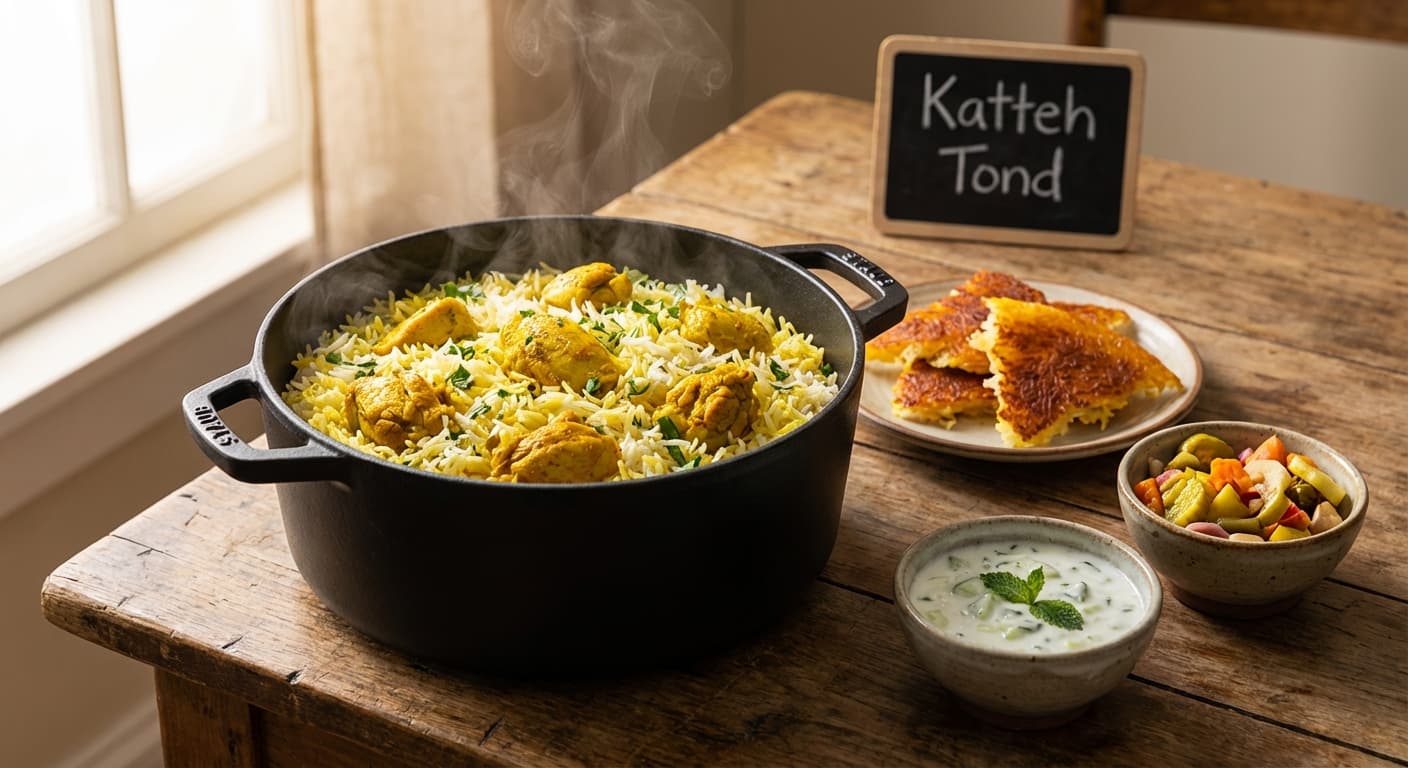
Katteh Tond (کته تند) — Spicy Caspian-Style One-Pot Chicken Rice
Persian · Rice Dishes · 85 min
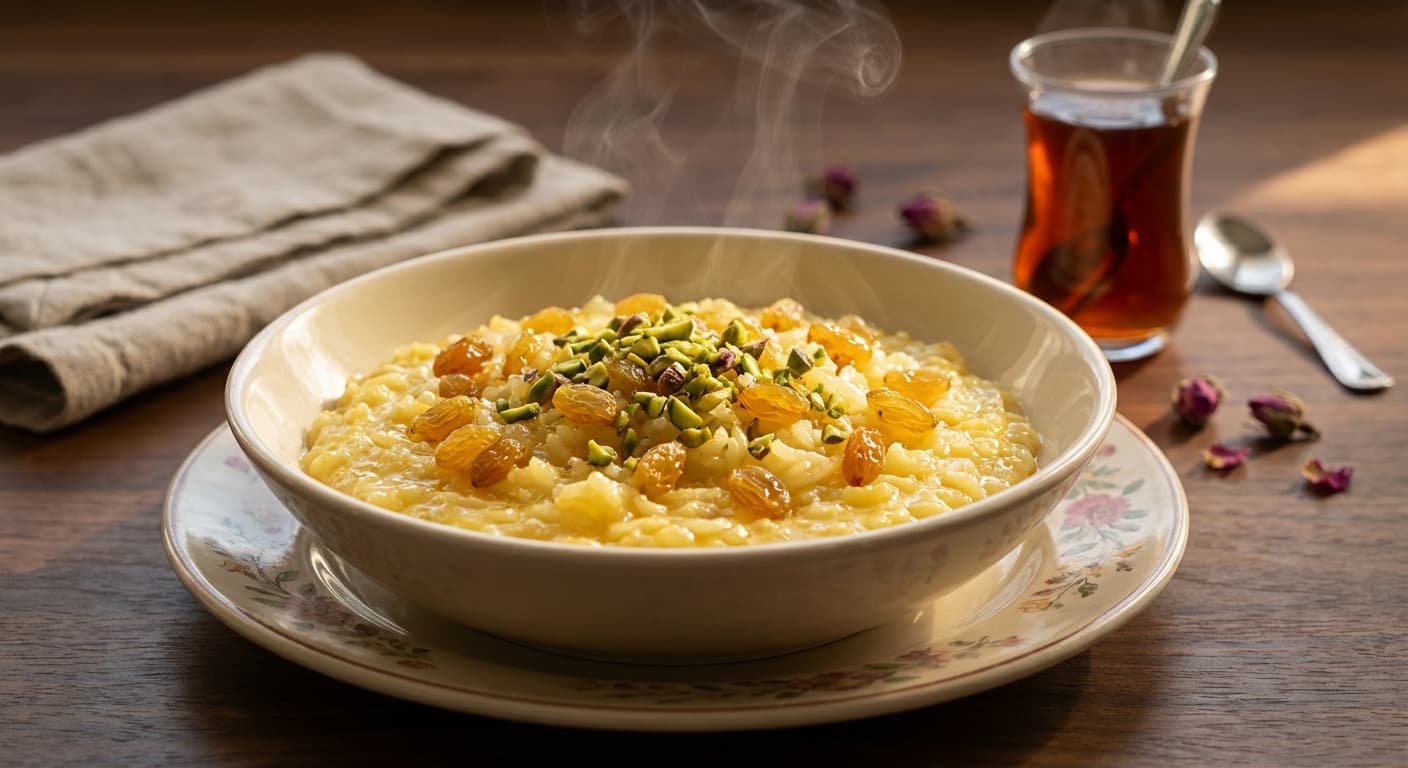
Saffron Sweet Rice (پلو شیرینی زعفرانی) — Festive Persian milk-saffron rice with nuts
Persian · Rice Dishes · 75 min
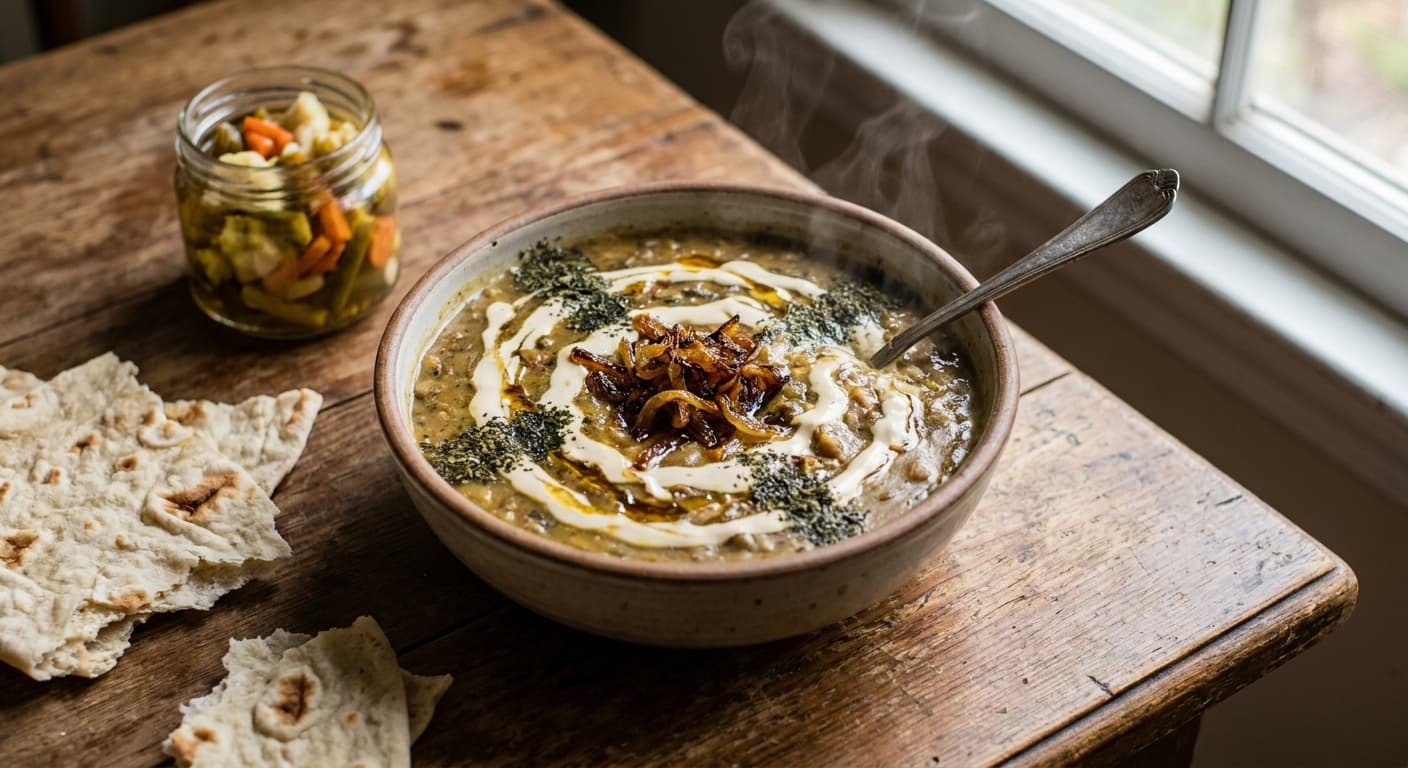
Ash-e Sak (آش ساک) — Gorgani Spinach and Lamb Ash
Persian · Soups · 175 min
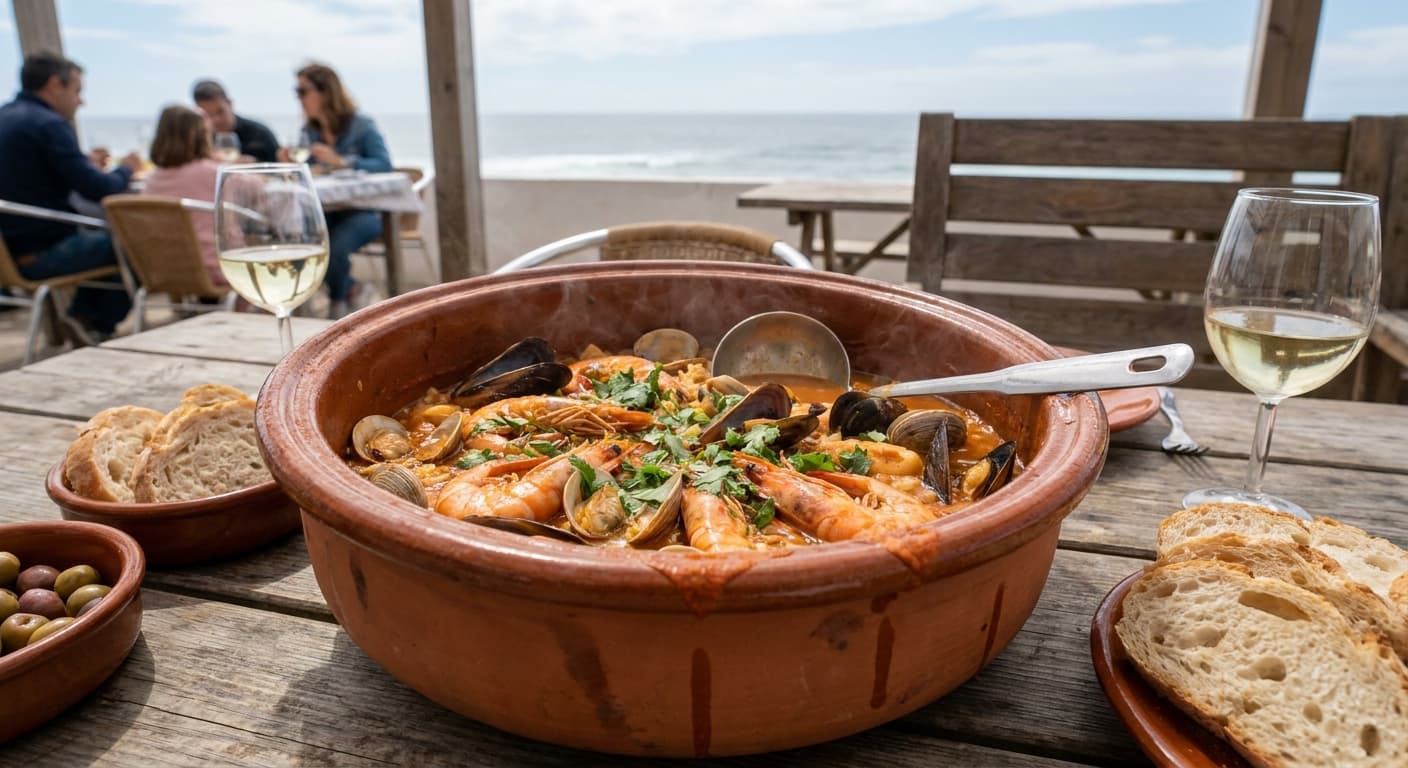
Seafood Rice (Arroz de Marisco) — Saucy Portuguese Shellfish Rice
Portuguese · Rice Dishes · 65 min
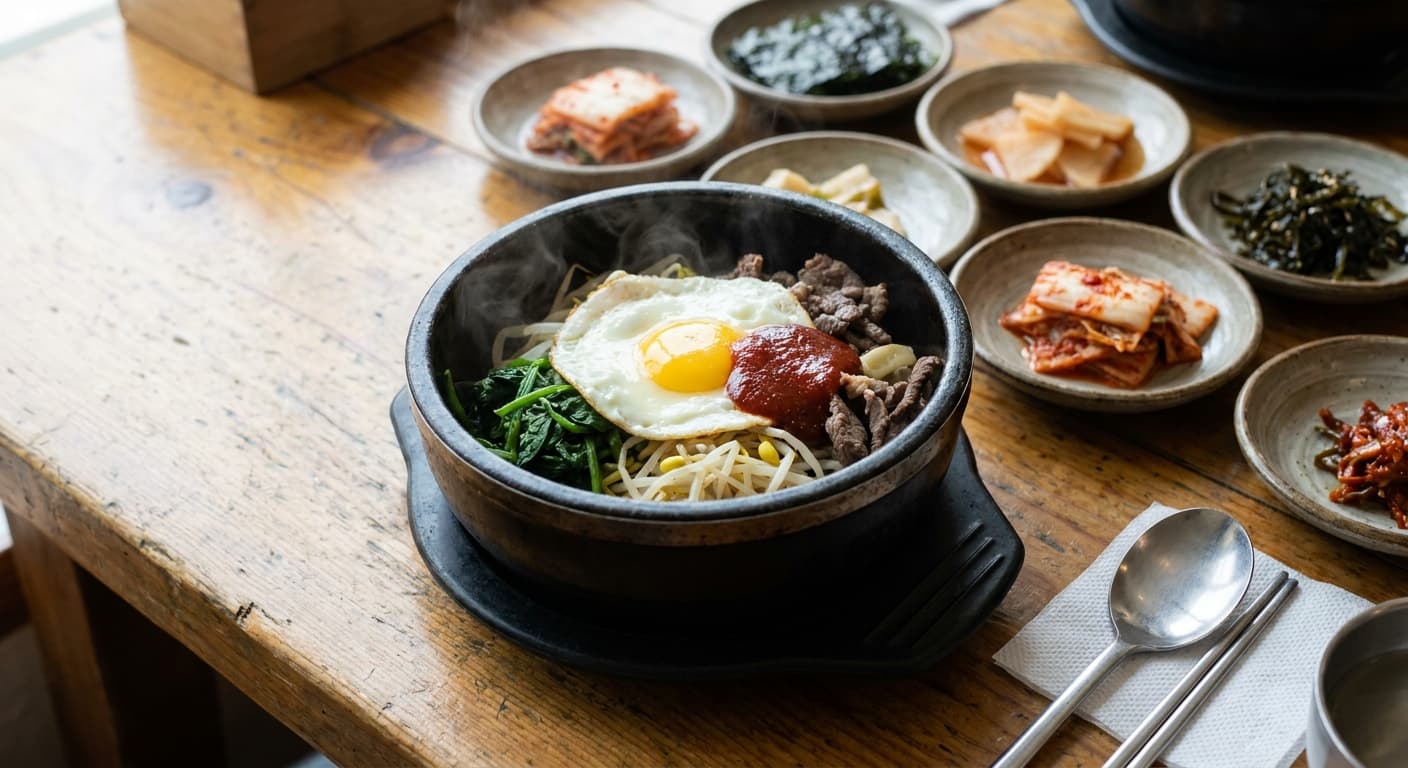
Bibimbap (비빔밥) — Korean Mixed Rice Bowl
Korean · Rice Dishes · 80 min
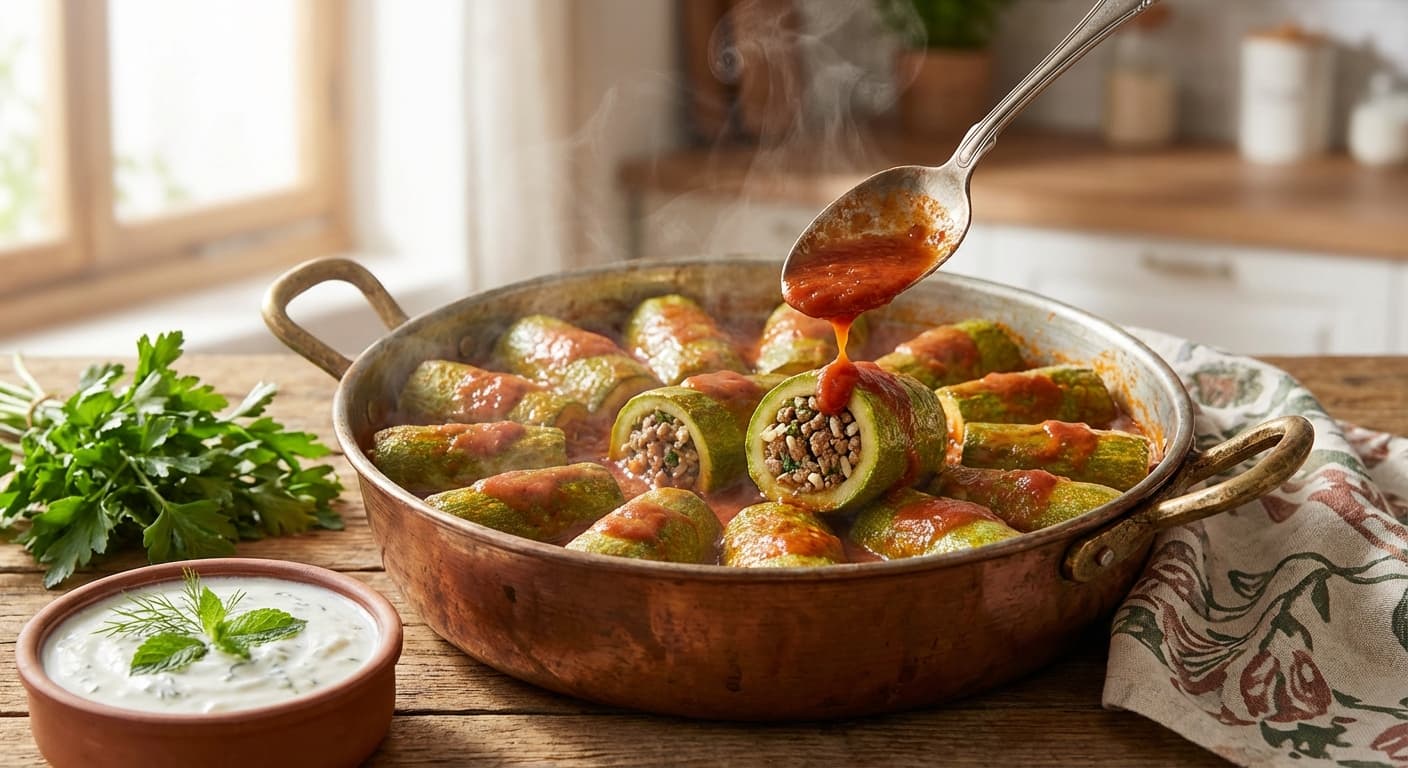
Stuffed Zucchini (Kabak Dolması) — Hollowed zucchini filled with spiced minced meat and rice
Turkish · Main Courses · 90 min
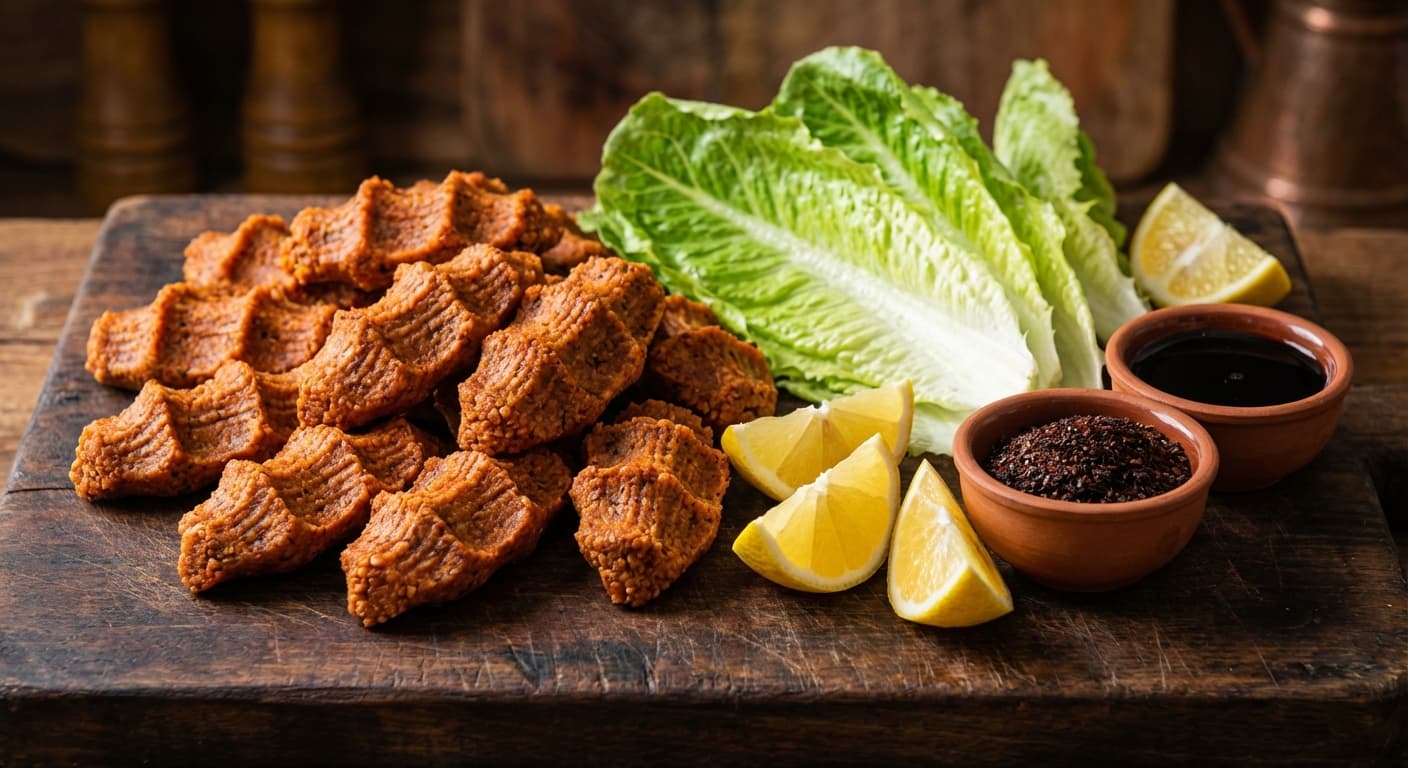
Cig Kofte (Çiğ Köfte) — Isot-kissed bulgur kneaded and served in lettuce
Turkish · Appetizers · 25 min
Bulgarian Banitsa (Баница) — Flaky Sirene-Filled Phyllo Pie
Bulgarian · Breads · 68 min
Reviews
Cooked this recipe?
Tap the stars to rate it — that's all it takes. A few words are welcome but optional.
No ratings yet. Cooked this one? Be the first to rate it — it takes one tap.