Bulgogi (불고기) — Korean Soy-Marinated Grilled Beef
Bulgogi is a beloved Korean grilled beef dish, thinly sliced and marinated with soy sauce, pear, garlic, sesame oil, and scallions. It is served at home meals, barbecue tables, and family celebrations with rice and ssam vegetables.

Printable Recipe Card
Servings: 4 · Total: 37 min · Difficulty: easy
Ingredients (quick list)
- 680 g beef sirloin or ribeye (partially frozen for easier slicing, then sliced 3 mm thick across the grain)
- 90 ml Korean soy sauce
- 120 g grated Asian pear (peeled before grating)
- 1 yellow onion (half grated for the marinade and half thinly sliced)
- 5 clove garlic (finely grated)
- 24 g light brown sugar
- 1 tbsp honey
- 2 tbsp toasted sesame oil
- 0.5 tsp freshly ground black pepper
- 4 scallions (thinly sliced on the diagonal)
- 80 g carrot (cut into fine matchsticks)
- 120 g shiitake mushrooms (stems removed and caps thinly sliced)
+ 3 more in the full ingredients section below.
Steps (summary)
- Place the beef in the freezer for 25 minutes if it is not already firm. Slice it across the grain into pieces about 3 mm thick,…
- In a large bowl, combine the soy sauce, grated Asian pear, grated half onion, garlic, brown sugar, honey, sesame oil, and black…
- Add the sliced beef to the marinade and separate the slices with your fingers so every piece is coated. Cover and refrigerate f…
- When ready to cook, add the sliced remaining half onion, carrot, and shiitake mushrooms to the bowl and toss gently with the ma…
- Heat a cast-iron skillet, grill pan, or tabletop grill over high heat until very hot, then brush it with the neutral oil. Cook…
- Cook each batch for 2 to 3 minutes, turning once or twice, until the beef is browned at the edges and just cooked through. Tran…
+ 1 more steps in the full instructions section below.
Cultural Background
Bulgogi, literally associated with fire-cooked meat, reflects Korea's long tradition of seasoned grilled beef. Today it bridges home cooking and barbecue dining, often shared with rice, banchan, and lettuce wraps.
Equipment
💡 Tips
- For the best texture, slice the beef while it is firm but not frozen solid.
- Cook in small batches over high heat; overcrowding creates liquid and prevents caramelization.
- Asian pear tenderizes the meat gently, but kiwi or pineapple should be used cautiously because they soften beef much faster.
⚠️ Common Mistakes
❌ Cutting the beef too thick
✅ Fix: Firm the beef in the freezer and slice it across the grain into 3 mm pieces so it cooks quickly and stays tender.
❌ Overcrowding the pan
✅ Fix: Cook in small batches over high heat and let the skillet recover heat between batches.
❌ Marinating too long with pear
✅ Fix: Keep the marinade time under 8 hours to prevent the fruit enzymes from making the beef mushy.
🧊 How to Store
Refrigerate leftover bulgogi in an airtight container for up to 3 days. Reheat quickly in a hot skillet with 1 tbsp water for 2 to 3 minutes, just until warmed, to keep the beef tender.
📅 Make Ahead
Slice the beef and mix the marinade up to 1 day ahead, but combine them no more than 8 hours before cooking. Vegetables can be sliced and refrigerated separately.
🍽️ Pairs Well With
- Steamed short-grain rice
- lettuce leaves
- ssamjang
- kimchi
- cucumber muchim
- doenjang jjigae.
Regional Variations
- Seoul-style bulgogi is often cooked in a shallow domed pan with broth collecting around the edge.
- Gwangyang-style bulgogi uses very thin beef and a lighter seasoning, cooked rapidly over charcoal.
- Home-style bulgogi may include mushrooms, onions, carrots, or glass noodles to stretch the meal for family dining.
Ingredients
- 680 gbeef sirloin or ribeye (partially frozen for easier slicing, then sliced 3 mm thick across the grain)
- 90 mlKorean soy sauce
- 120 ggrated Asian pear (peeled before grating)
- 1yellow onion (half grated for the marinade and half thinly sliced)
- 5 clovegarlic (finely grated)
- 24 glight brown sugar
- 1 tbsphoney
- 2 tbsptoasted sesame oil
- 0.5 tspfreshly ground black pepper
- 4scallions (thinly sliced on the diagonal)
- 80 gcarrot (cut into fine matchsticks)
- 120 gshiitake mushrooms (stems removed and caps thinly sliced)
- 1 tbspneutral cooking oil
- 1 tbsptoasted sesame seeds
- 16green leaf lettuce (washed and dried for ssam wraps)
🔄 Substitutions
- Asian pear→ Bosc pear
- beef sirloin or ribeye→ thinly sliced beef brisket
- Korean soy sauce→ tamari
Instructions
- 1
Place the beef in the freezer for 25 minutes if it is not already firm. Slice it across the grain into pieces about 3 mm thick, because thin slicing gives bulgogi its tender texture and quick sear.
- 2
In a large bowl, combine the soy sauce, grated Asian pear, grated half onion, garlic, brown sugar, honey, sesame oil, and black pepper. Stir until the sugar dissolves completely, then add half of the sliced scallions to build the classic sweet-savory Korean marinade.
- 3
Add the sliced beef to the marinade and separate the slices with your fingers so every piece is coated. Cover and refrigerate for 60 minutes, or up to 8 hours for deeper flavor, but do not marinate overnight because the pear can make the meat too soft.
- 4
When ready to cook, add the sliced remaining half onion, carrot, and shiitake mushrooms to the bowl and toss gently with the marinated beef. Let the mixture stand at room temperature for 10 minutes so the meat cooks evenly instead of steaming from refrigerator chill.
- 5
Heat a cast-iron skillet, grill pan, or tabletop grill over high heat until very hot, then brush it with the neutral oil. Cook the bulgogi in 2 or 3 small batches, spreading the slices in a thin layer so the beef sears rather than boils.
- 6
Cook each batch for 2 to 3 minutes, turning once or twice, until the beef is browned at the edges and just cooked through. Transfer the cooked bulgogi to a warm platter and repeat with the remaining meat and vegetables, allowing the pan to reheat between batches.
- 7
Sprinkle the bulgogi with toasted sesame seeds and the remaining sliced scallions. Serve immediately with hot rice, lettuce leaves, and banchan so diners can make ssam wraps at the table.
🪪 Recipe Passport
Cultural Background
Bulgogi, literally associated with fire-cooked meat, reflects Korea's long tradition of seasoned grilled beef. Today it bridges home cooking and barbecue dining, often shared with rice, banchan, and lettuce wraps.
Regional Variations
Researched from multiple sources and validated by the Zaffaron editorial team. Every recipe is tested for accuracy, measurements, and cultural authenticity.
📚 Sources & Cultural References
- Institute of Traditional Korean Food — The Beauty of Korean Food: With 100 Best-Loved Recipes — (2007)
- Maangchi — Maangchi's Big Book of Korean Cooking — (2019)
Sources cited by the Zaffaron editorial team during recipe research. Cultural and culinary references supporting authenticity claims.
Nutrition per serving
Pairs well with
If you enjoyed this recipe, here are a few related Zaffaron recipes to try next.
Does your family make this differently?
Every family has their own version. Maybe your grandmother adds a secret ingredient, or your aunt has a completely different technique. Preserve your family's version — with their name on it, forever.
You Might Also Like
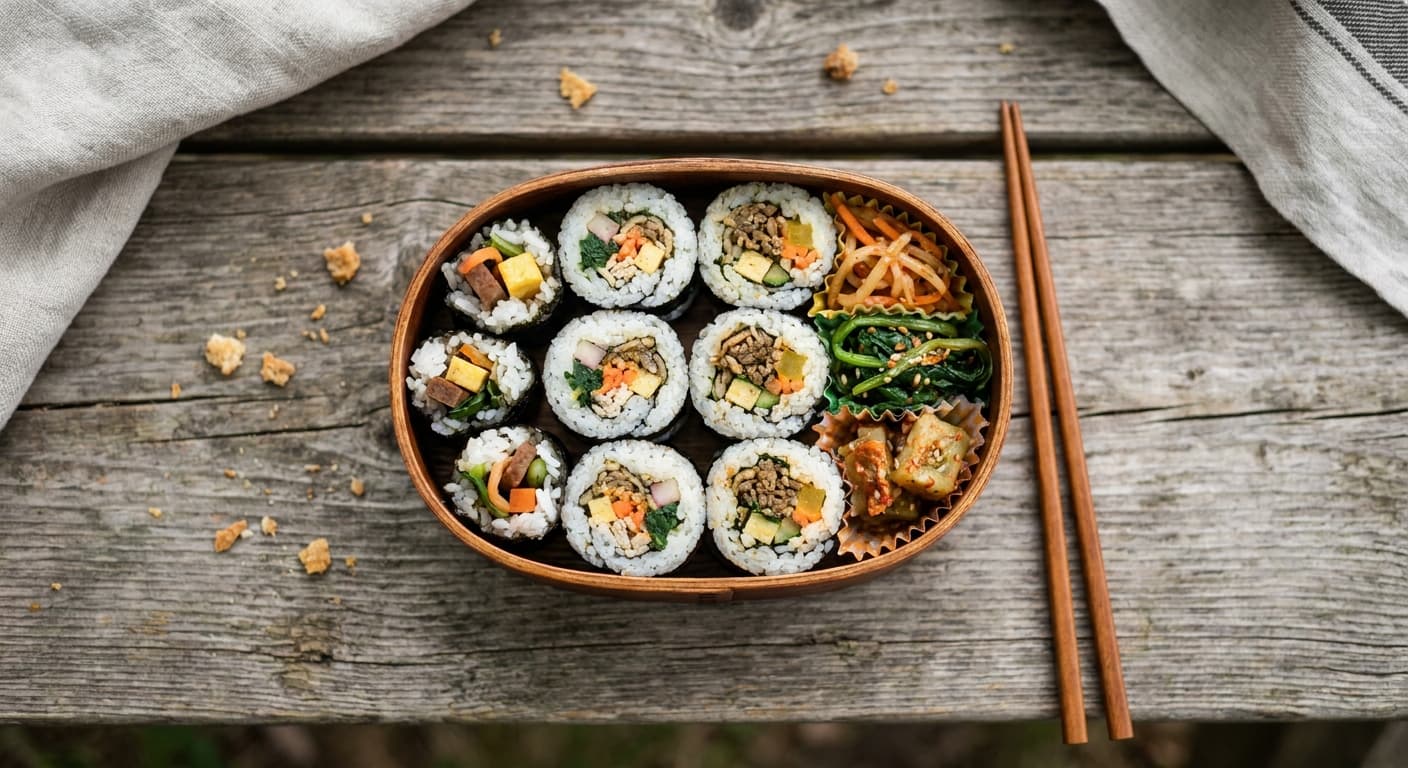
Kimbap (김밥) — Korean Seaweed Rice Rolls
Korean · Main Courses · 70 min
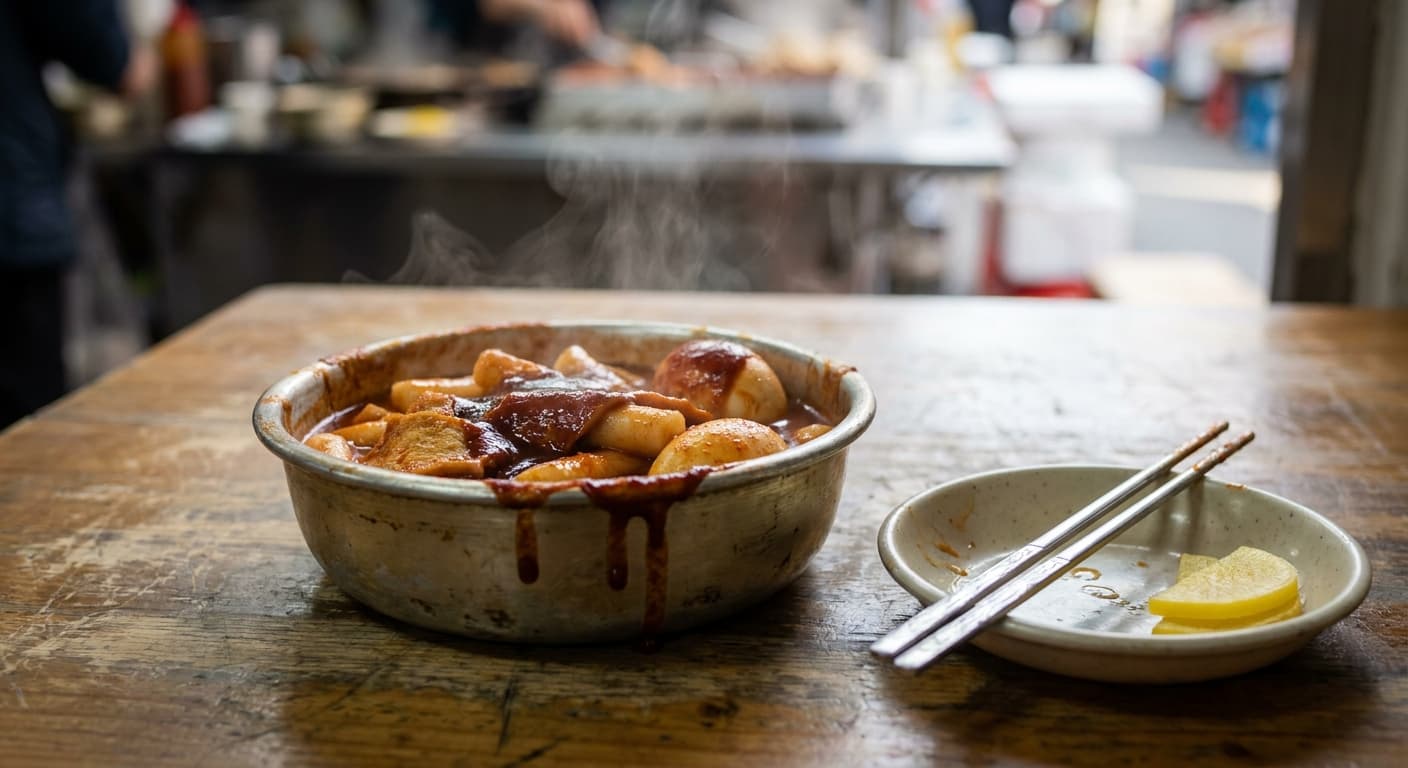
Tteokbokki (떡볶이) — Spicy Korean Rice Cakes
Korean · Main Courses · 45 min
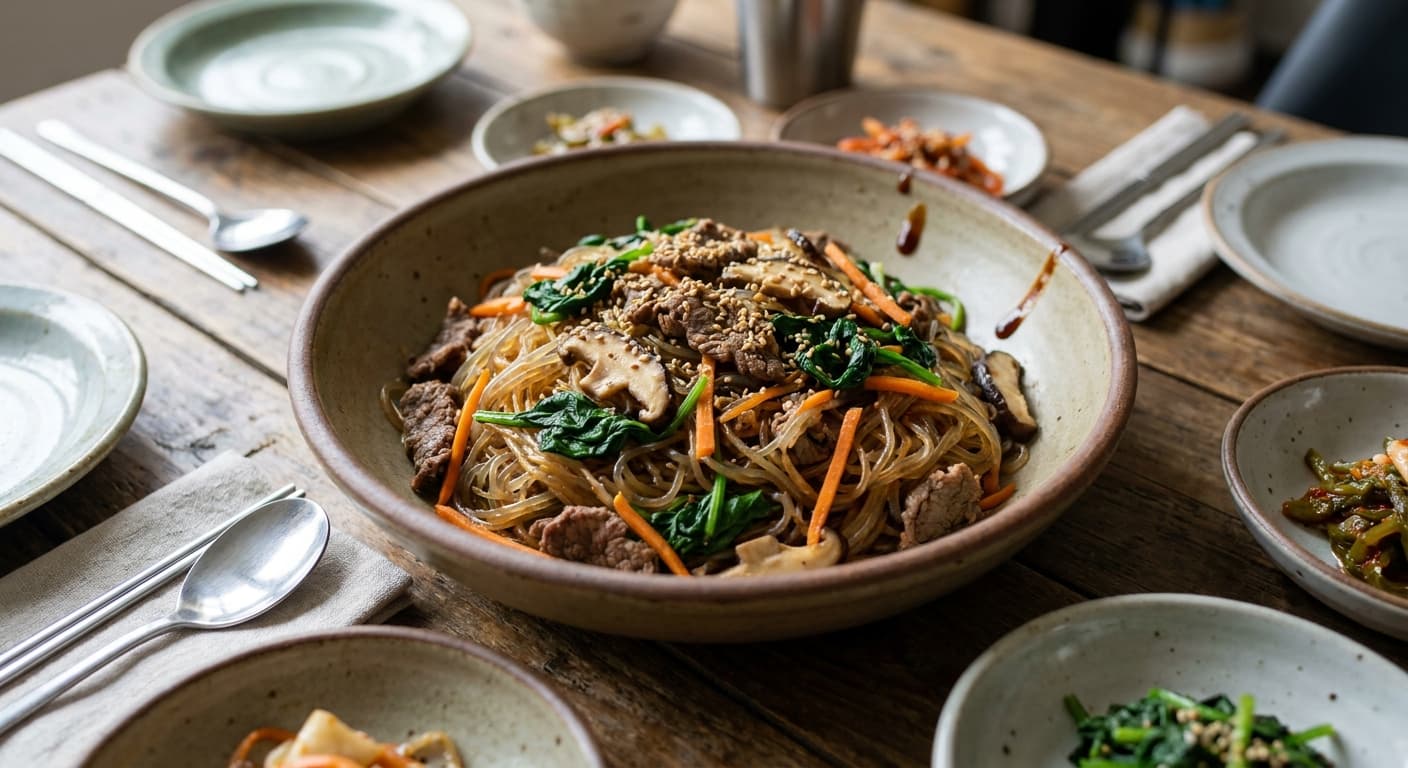
Japchae (잡채) — Korean Glass Noodles with Beef and Vegetables
Korean · Main Courses · 60 min
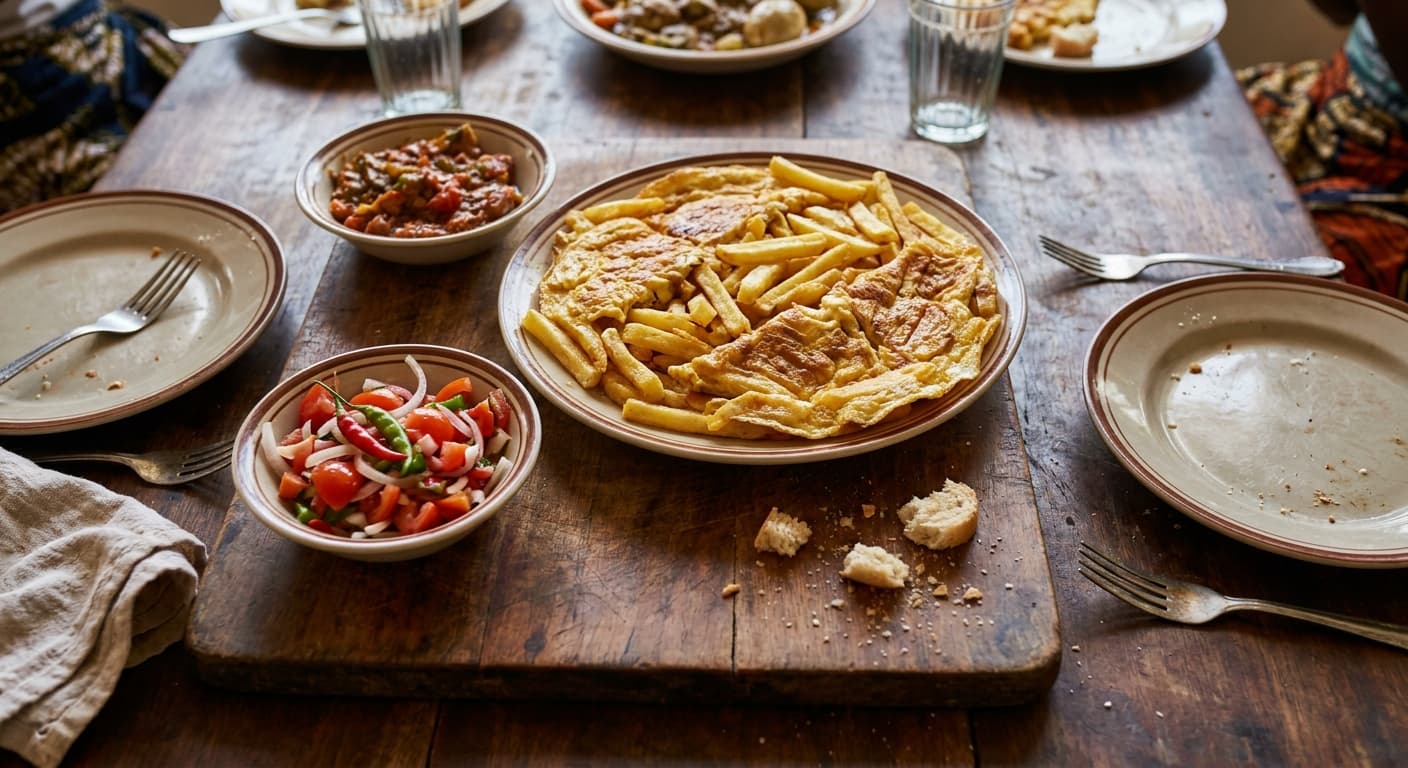
Chips and Egg Omelet (Chipsi Mayai) — Tanzanian Street-Food Classic
Tanzanian · Main Courses · 50 min
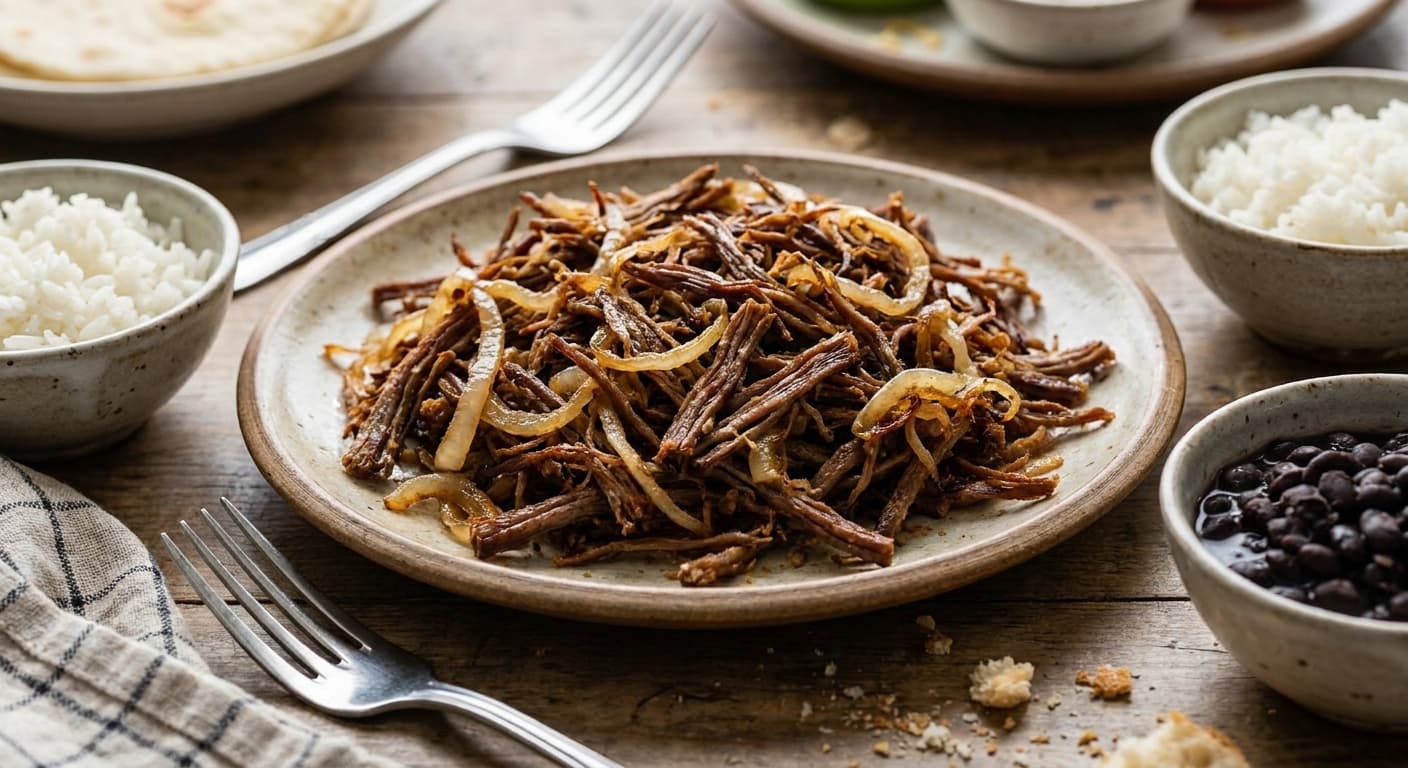
Cuban Crispy Shredded Beef (Vaca Frita) — Garlic and Citrus
Cuban · Main Courses · 140 min
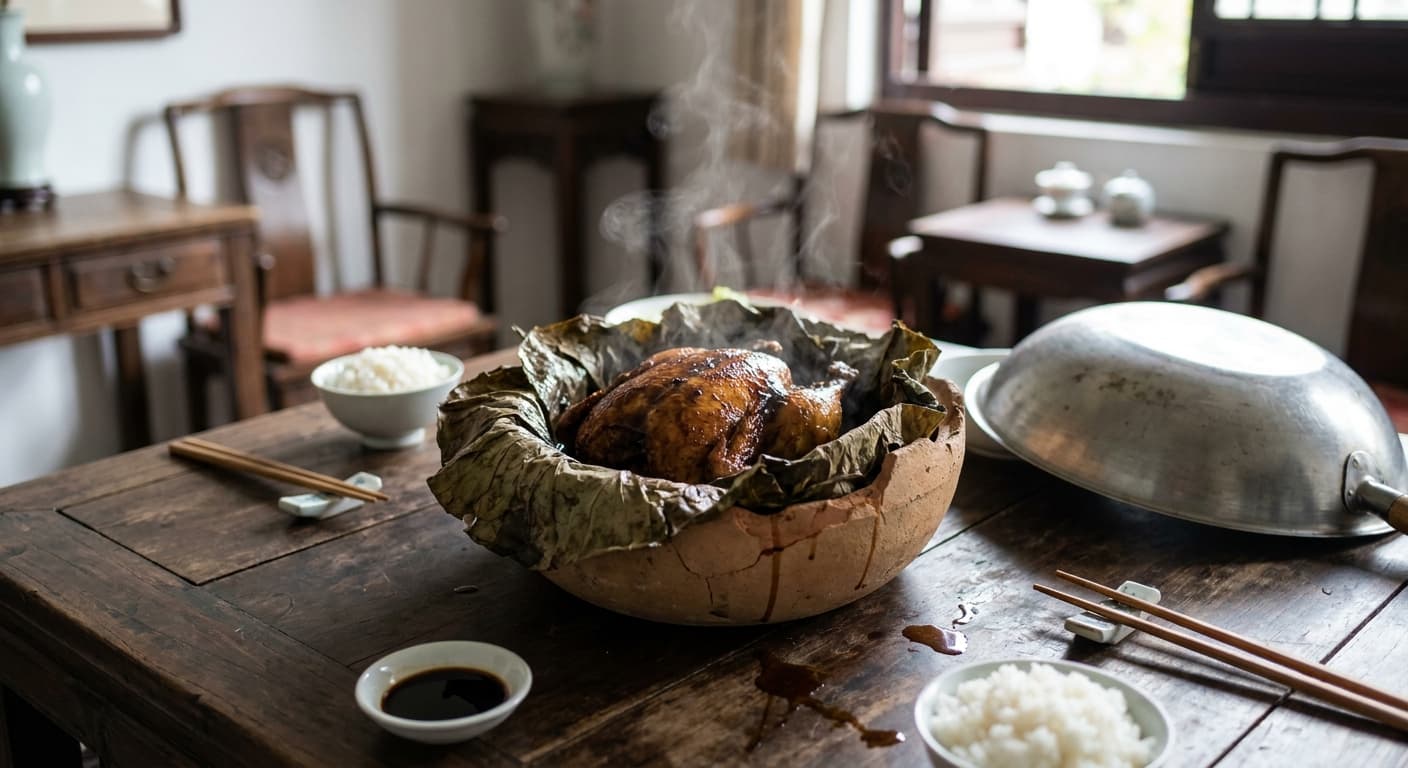
Beggar's Chicken (叫化鸡) — Lotus-Wrapped Clay-Baked Jiangnan Chicken
Chinese · Main Courses · 240 min
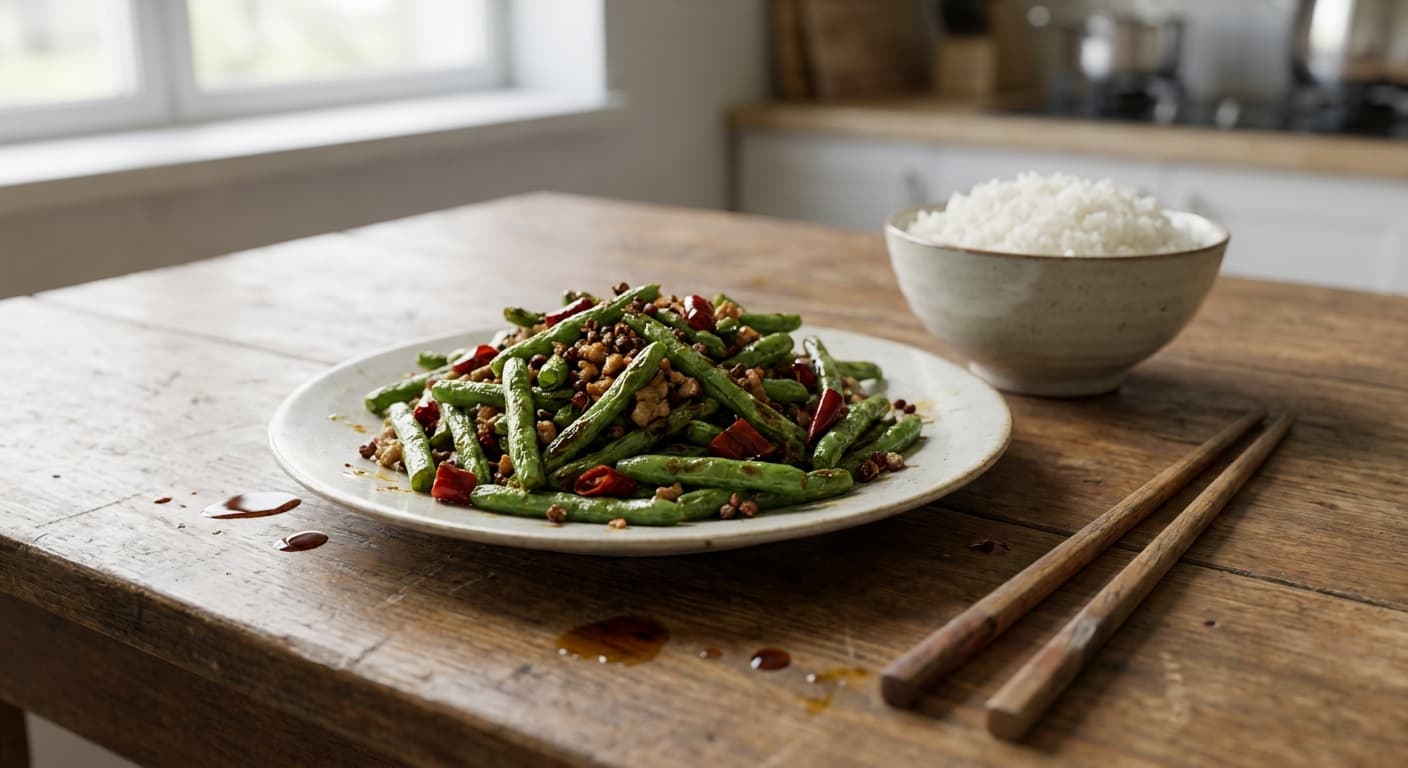
Dry-Fried Green Beans (干煸四季豆) — Sichuan Wok-Blistered Beans with Pork
Chinese · Side Dishes · 27 min
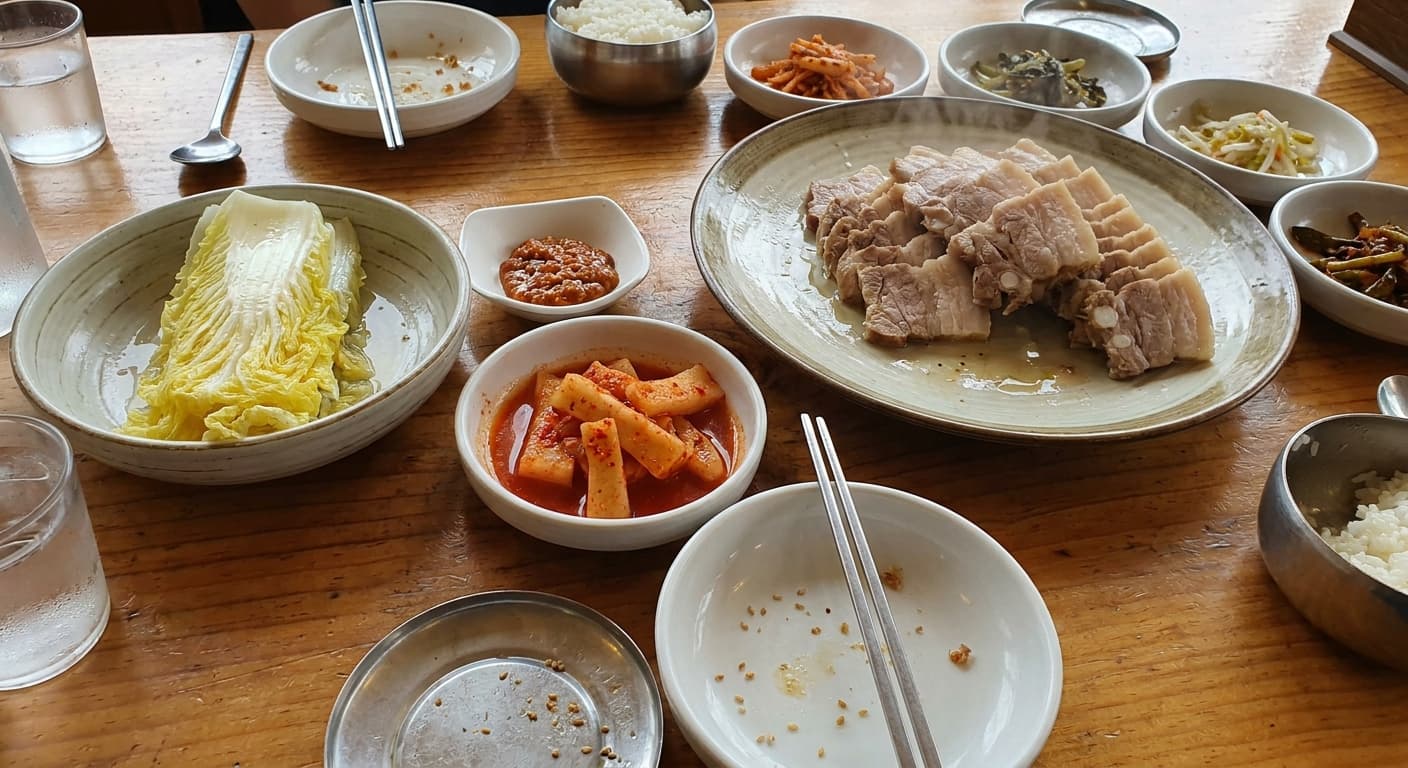
Bossam (보쌈) — Korean Boiled Pork Lettuce Wraps
Korean · Main Courses · 135 min
Reviews
Cooked this recipe?
Tap the stars to rate it — that's all it takes. A few words are welcome but optional.
No ratings yet. Cooked this one? Be the first to rate it — it takes one tap.