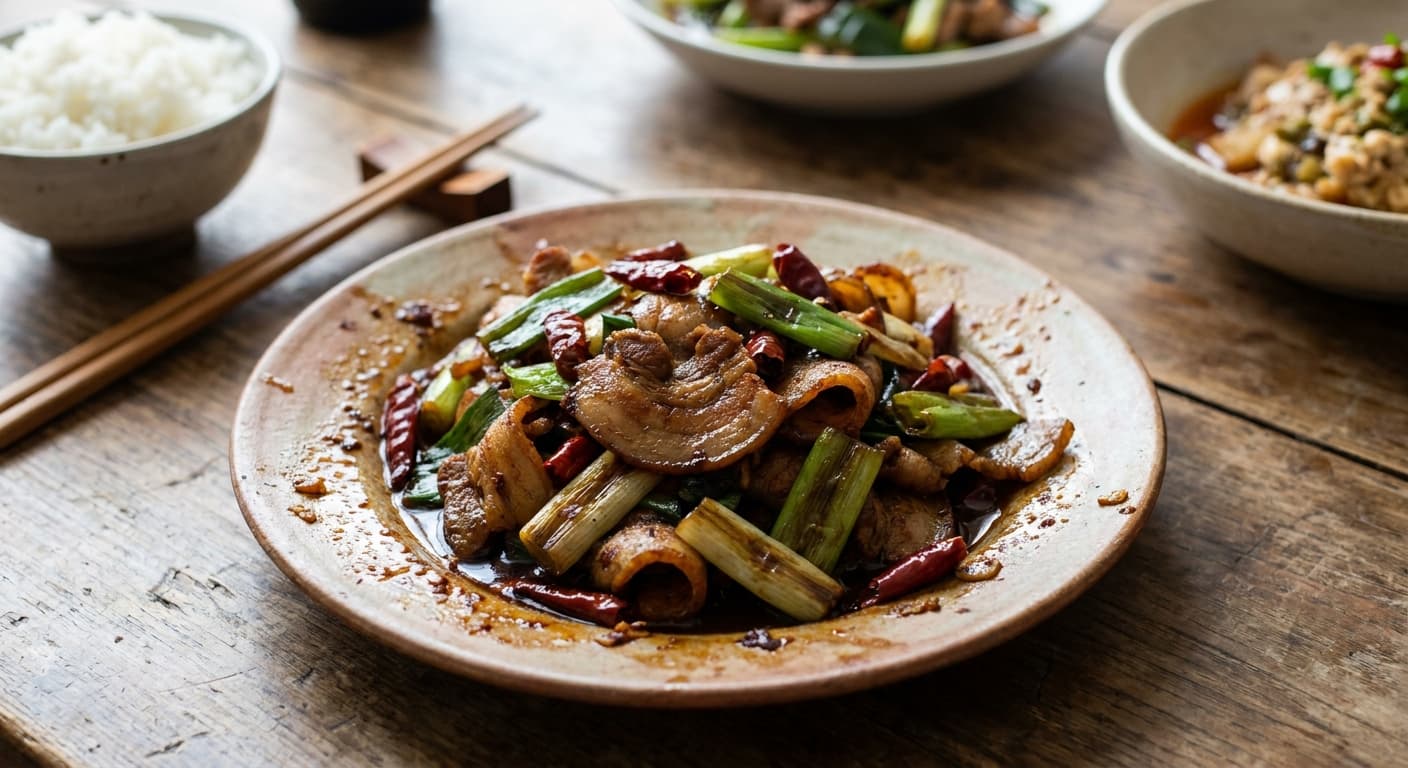
Twice-Cooked Pork (回锅肉) — Sichuan Pork Belly with Leeks and Chili Bean Paste
A classic Sichuan home-style dish, twice-cooked pork turns simmered pork belly into thin, curling slices stir-fried with leeks and fermented chili bean paste. It is salty, savory, gently sweet, and deeply aromatic.
Printable Recipe Card
Servings: 4 · Total: 60 min · Difficulty: medium
Ingredients (quick list)
- 600 g skin-on pork belly
- 1.5 l water
- 2 inch fresh ginger (sliced)
- 2 scallions (trimmed and lightly crushed)
- 30 ml Shaoxing wine
- 15 ml neutral cooking oil
- 45 g Sichuan chili bean paste (preferably aged Pixian-style fermented broad bean and chile paste)
- 20 g sweet wheat paste
- 12 g fermented black beans (rinsed briefly and roughly chopped)
- 2 clove garlic (thinly sliced)
- 10 ml light soy sauce
- 4 g granulated sugar
+ 2 more in the full ingredients section below.
Steps (summary)
- Put the pork belly in a saucepan with the water, ginger, scallions, and Shaoxing wine. Bring to a gentle boil, skim the surface…
- Lift the pork from the liquid and let it cool until it can be handled safely. For cleaner slicing, chill it in the refrigerator…
- Heat a wok over medium-high heat until hot, then add the oil and swirl to coat the surface. Add the pork slices and stir-fry fo…
- Push the pork to one side of the wok and lower the heat to medium. Add the Sichuan chili bean paste, sweet wheat paste, ferment…
- Toss the pork through the sauce until every slice is glossy and stained red. Add the soy sauce and sugar, then stir-fry for 30…
- Add the white parts of the Chinese leeks and stir-fry for 1 minute, keeping the wok contents moving so the sauce does not scorc…
+ 1 more steps in the full instructions section below.
Cultural Background
This dish is one of Sichuan's best-known home and restaurant stir-fries. The name refers to pork cooked first by simmering, then returned to the wok with seasonings, a practical method that turns rich belly into a bold rice dish.
Equipment
💡 Tips
- Chilling the cooked pork belly briefly makes it much easier to slice thinly and evenly.
- Do not rush the paste-frying step; blooming the chili bean paste in rendered pork fat is what gives the dish its deep red oil and savory base.
- Keep the leeks slightly crisp, because overcooked leeks lose the fresh, pungent contrast that balances the rich pork belly.
⚠️ Common Mistakes
❌ Slicing the pork while it is hot and soft.
✅ Fix: Cool or briefly chill the simmered belly so the slices stay thin, even, and intact.
❌ Adding the leeks too early.
✅ Fix: Cook the pork and pastes first, then add the leek whites before the greens so both parts keep texture.
❌ Using high heat after the chili bean paste goes in.
✅ Fix: Lower the heat to medium while frying the pastes, because fermented bean paste can burn and turn bitter.
🧊 How to Store
Store leftovers in an airtight container in the refrigerator for up to 3 days. Reheat in a wok or skillet over medium heat for 3 to 4 minutes, adding 15 ml water if the sauce looks too tight.
📅 Make Ahead
The pork belly can be simmered, cooled, and refrigerated up to 24 hours ahead. Slice it just before stir-frying, and cut the leeks the same day for the best texture.
🍽️ Pairs Well With
- Steamed jasmine rice
- simple cucumber salad
- stir-fried greens
- clear egg drop soup.
Regional Variations
- Chengdu-style versions often emphasize aged Pixian-style chili bean paste and Chinese leeks with very little extra seasoning.
- Restaurant versions may add red or green bell pepper for color and sweetness.
- Some home cooks include a small amount of fermented black beans for a deeper, saltier aroma.
Ingredients
- 600 gskin-on pork belly
- 1.5 lwater
- 2 inchfresh ginger (sliced)
- 2scallions (trimmed and lightly crushed)
- 30 mlShaoxing wine
- 15 mlneutral cooking oil
- 45 gSichuan chili bean paste (preferably aged Pixian-style fermented broad bean and chile paste)
- 20 gsweet wheat paste
- 12 gfermented black beans (rinsed briefly and roughly chopped)
- 2 clovegarlic (thinly sliced)
- 10 mllight soy sauce
- 4 ggranulated sugar
- 300 gChinese leeks (cut on the diagonal into 5 cm lengths, white and green parts separated)
- 1red bell pepper (thinly sliced; optional but common in restaurant versions)
🔄 Substitutions
- Chinese leeks→ garlic scapes
- sweet wheat paste→ hoisin sauce
- Shaoxing wine→ dry sherry
Instructions
- 1
Put the pork belly in a saucepan with the water, ginger, scallions, and Shaoxing wine. Bring to a gentle boil, skim the surface, then simmer for 20 minutes until the meat is firm but not falling apart.
- 2
Lift the pork from the liquid and let it cool until it can be handled safely. For cleaner slicing, chill it in the refrigerator for 20 minutes, then cut it across the grain into slices about 3 mm thick.
- 3
Heat a wok over medium-high heat until hot, then add the oil and swirl to coat the surface. Add the pork slices and stir-fry for 4 to 6 minutes, until the slices curl slightly and some fat renders into the wok.
- 4
Push the pork to one side of the wok and lower the heat to medium. Add the Sichuan chili bean paste, sweet wheat paste, fermented black beans, and garlic to the rendered fat, then fry for 45 to 60 seconds until the oil turns red and fragrant.
- 5
Toss the pork through the sauce until every slice is glossy and stained red. Add the soy sauce and sugar, then stir-fry for 30 seconds so the salty, sweet, and fermented flavors combine.
- 6
Add the white parts of the Chinese leeks and stir-fry for 1 minute, keeping the wok contents moving so the sauce does not scorch. Add the green leek tops and red bell pepper, then cook for 1 to 2 minutes until the vegetables are just tender but still vivid.
- 7
Transfer the dish immediately to a warm serving plate so the leeks remain crisp and the pork stays glossy. Serve hot with steamed rice, making sure to spoon over the red, savory wok juices.
🪪 Recipe Passport
Cultural Background
This dish is one of Sichuan's best-known home and restaurant stir-fries. The name refers to pork cooked first by simmering, then returned to the wok with seasonings, a practical method that turns rich belly into a bold rice dish.
Regional Variations
Researched from multiple sources and validated by the Zaffaron editorial team. Every recipe is tested for accuracy, measurements, and cultural authenticity.
📚 Sources & Cultural References
- Fuchsia Dunlop — The Food of Sichuan — (2019)
Sources cited by the Zaffaron editorial team during recipe research. Cultural and culinary references supporting authenticity claims.
Nutrition per serving
Pairs well with
If you enjoyed this recipe, here are a few related Zaffaron recipes to try next.
Does your family make this differently?
Every family has their own version. Maybe your grandmother adds a secret ingredient, or your aunt has a completely different technique. Preserve your family's version — with their name on it, forever.
You Might Also Like
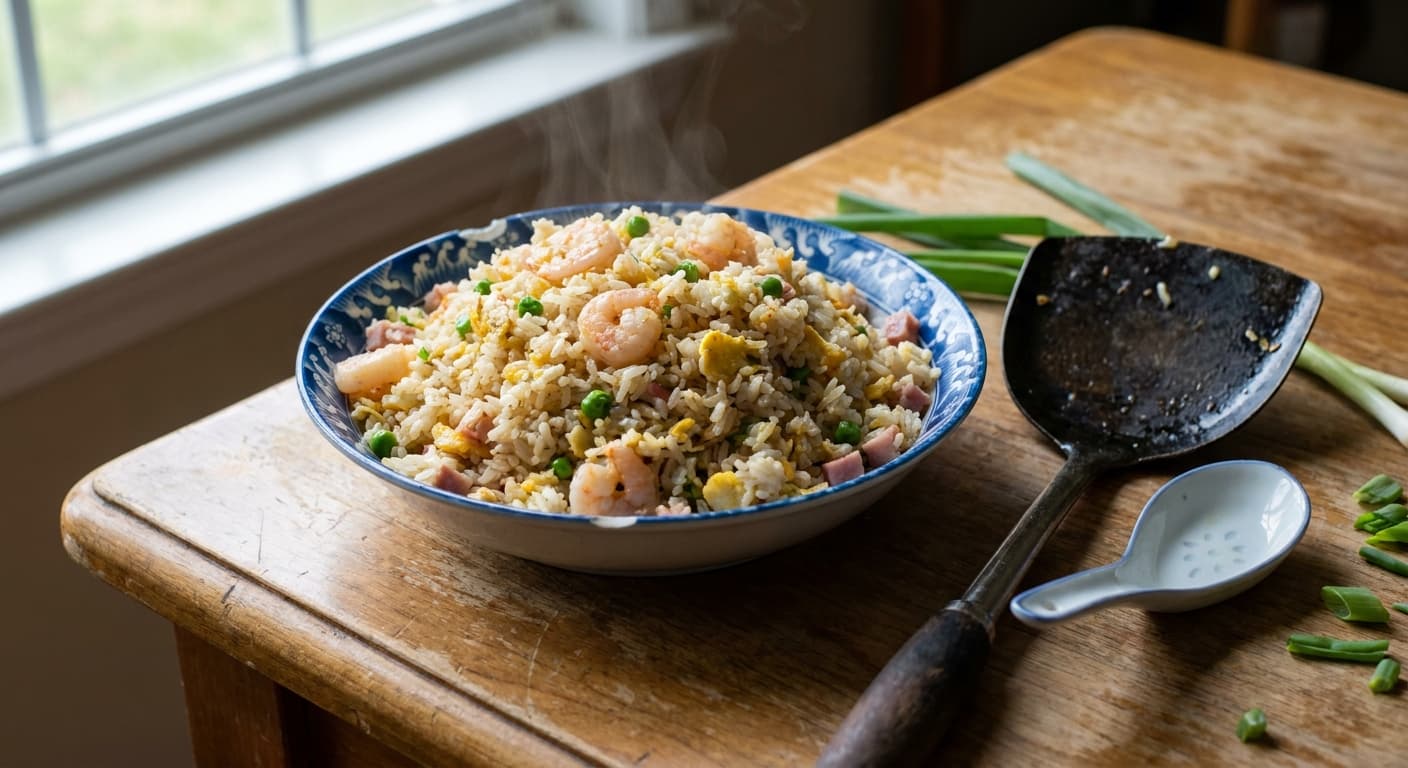
Yangzhou Fried Rice (扬州炒饭) — Classic Shrimp, Char Siu, and Egg Fried Rice
Chinese · Rice Dishes · 30 min
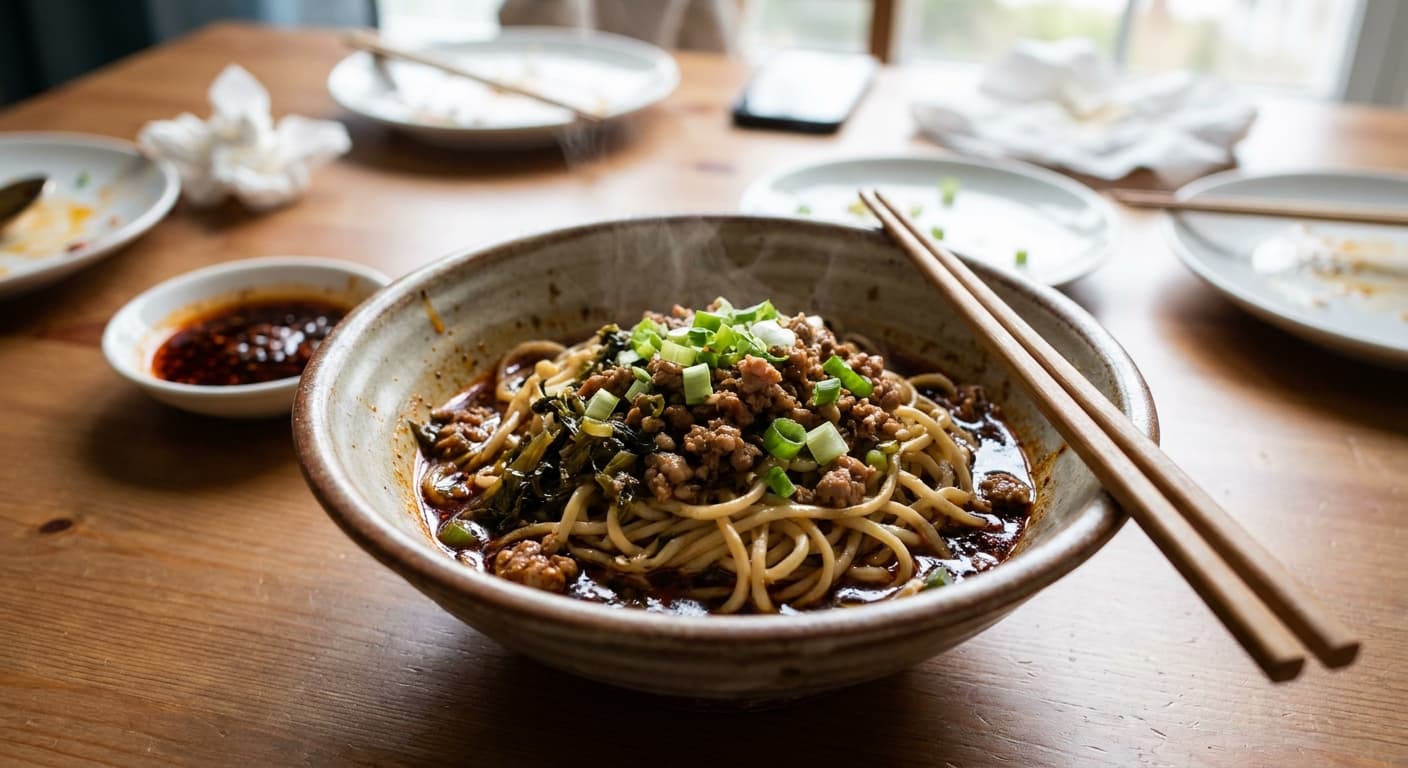
Dan Dan Noodles (担担面) — Sichuan Noodles with Spicy Sesame-Chili Pork Sauce
Chinese · Main Courses · 45 min
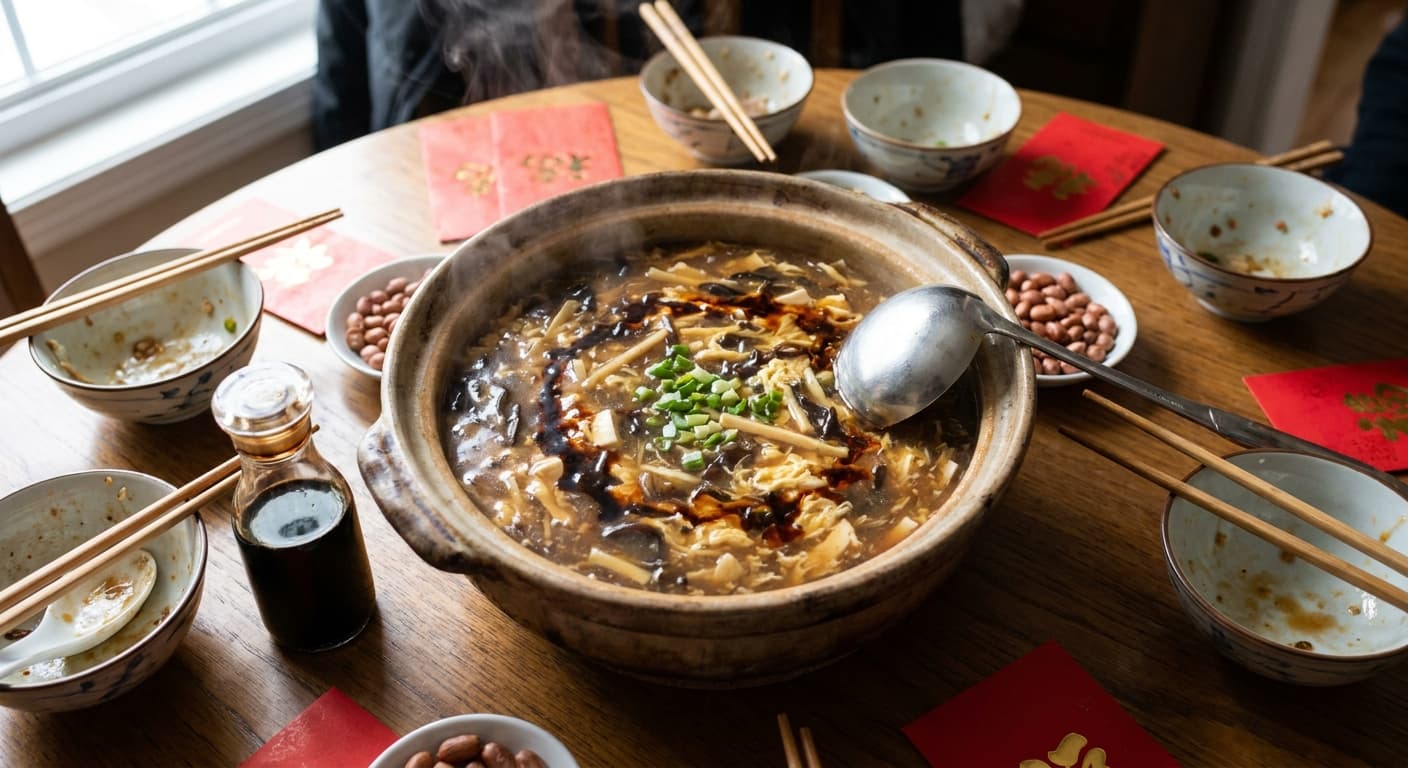
Hot and Sour Soup (酸辣汤) — Northern Chinese Soup with Tofu and Black Vinegar
Chinese · Soups · 45 min
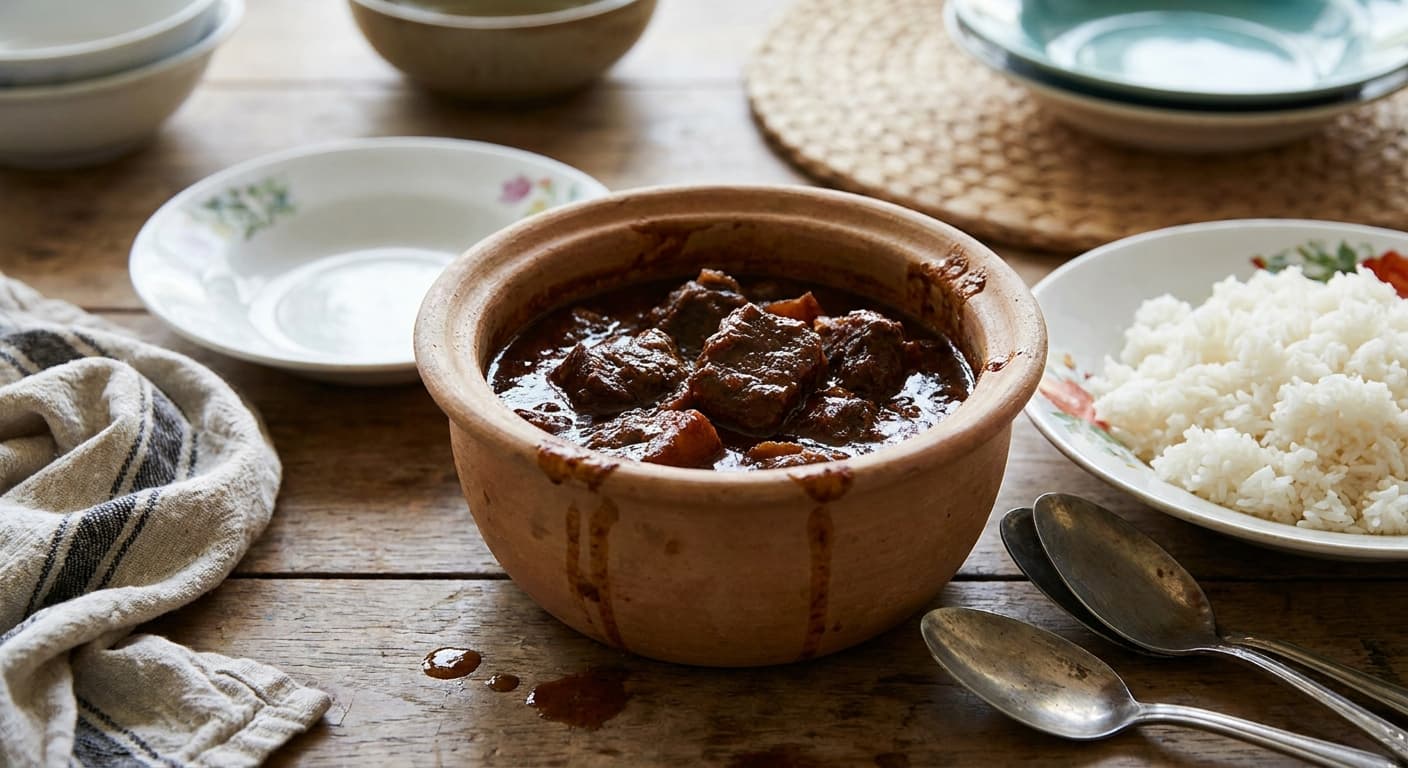
Pone Yay Gyi Curry (ပုန်းရည်ကြီးဟင်း) — Burmese Pork and Fermented Bean Paste
Burmese · Main Courses · 115 min
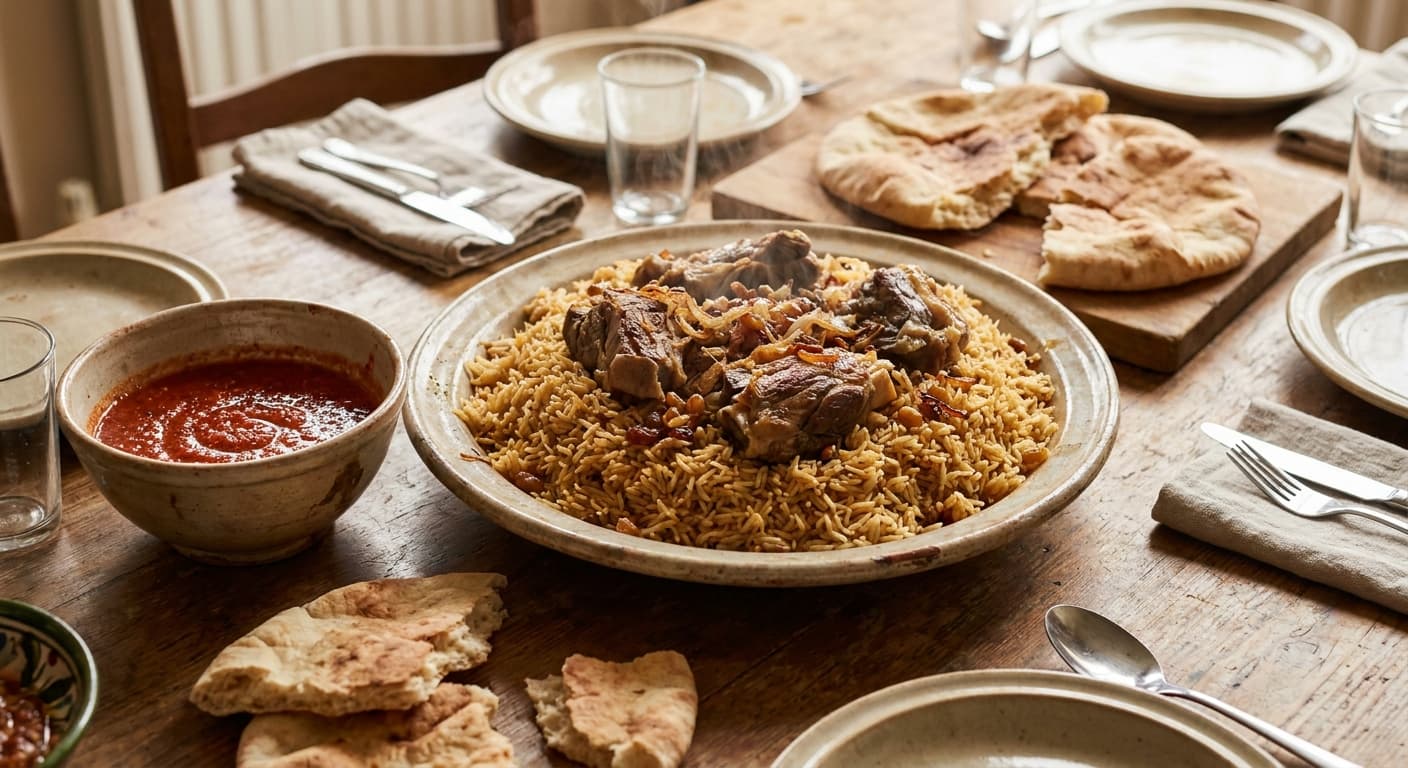
Yemeni Mandi (مندي) — Smoke-Scented Spiced Rice and Lamb
Yemeni · Main Courses · 170 min
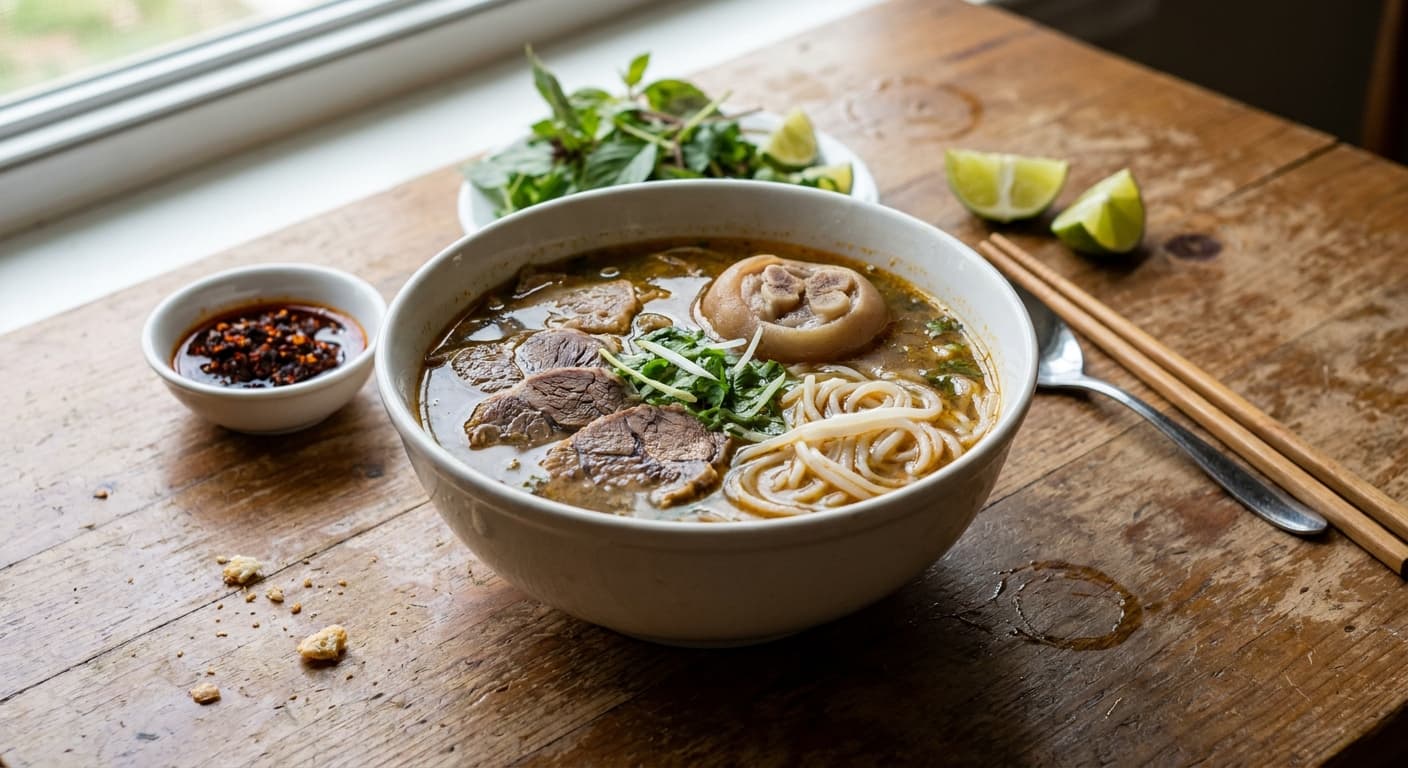
Hue-Style Spicy Beef Noodle Soup (Bún Bò Huế) — Lemongrass Beef and Pork Rice Noodle Soup
Vietnamese · Soups · 260 min
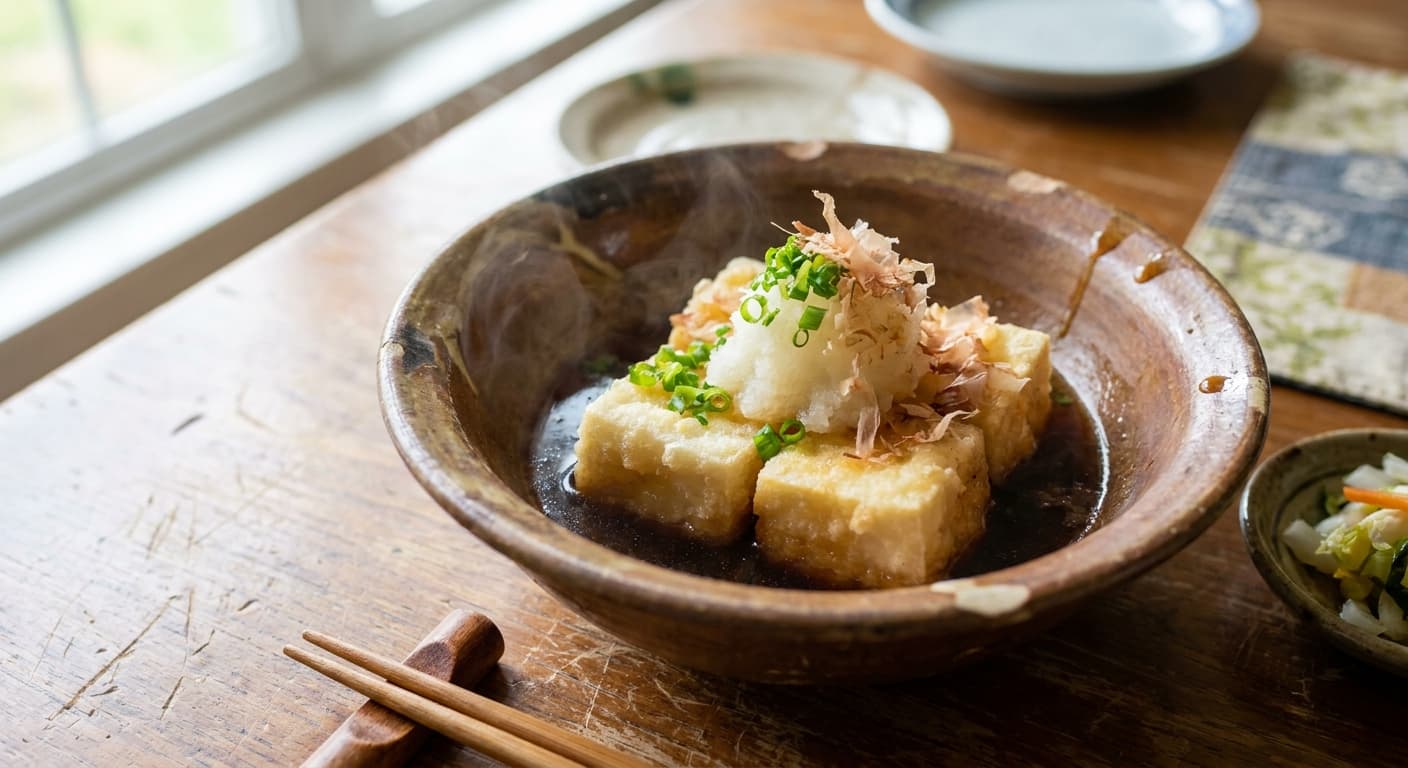
Agedashi Tofu (揚げ出し豆腐) — Crisp Tofu in Savory Broth
Japanese · Appetizers · 40 min
Samlor Machu Kroeung (សម្លម្ជូរគ្រឿង) — Cambodian Sour Kroeung Beef Soup
Cambodian · Soups · 130 min
Reviews
Cooked this recipe?
Tap the stars to rate it — that's all it takes. A few words are welcome but optional.
No ratings yet. Cooked this one? Be the first to rate it — it takes one tap.