All Recipes
1841 authentic recipes from our kitchen to yours.
 medium
Chinese · Main Courses
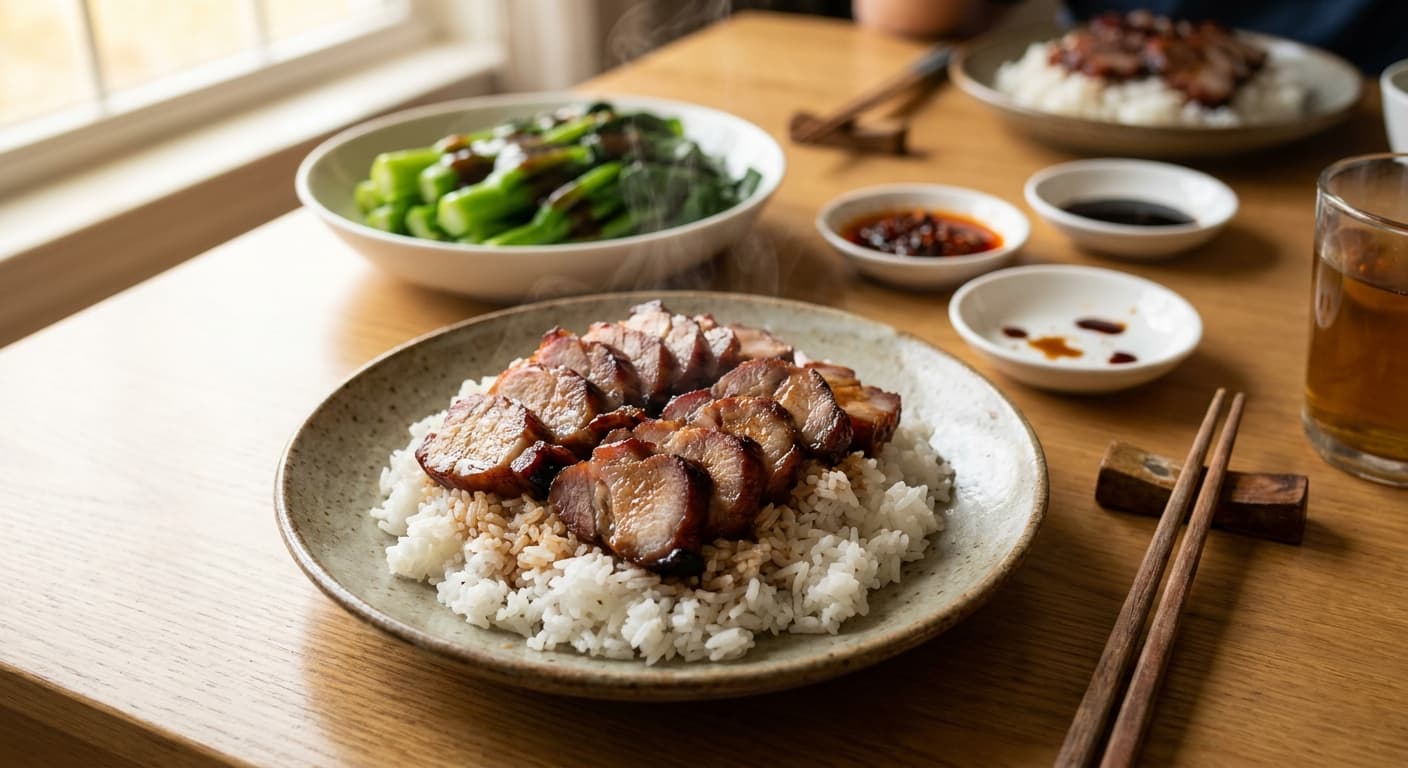
Char Siu (叉燒) — Cantonese Honey-Glazed Barbecue Pork
Char siu is a Cantonese siu mei classic: pork shoulder marinated with fermented red bean curd, soy, hoisin, five-spice, and sweet maltose glaze. This home-oven version recreates the sticky, lacquered roast-shop finish.
70 min 6 535 cal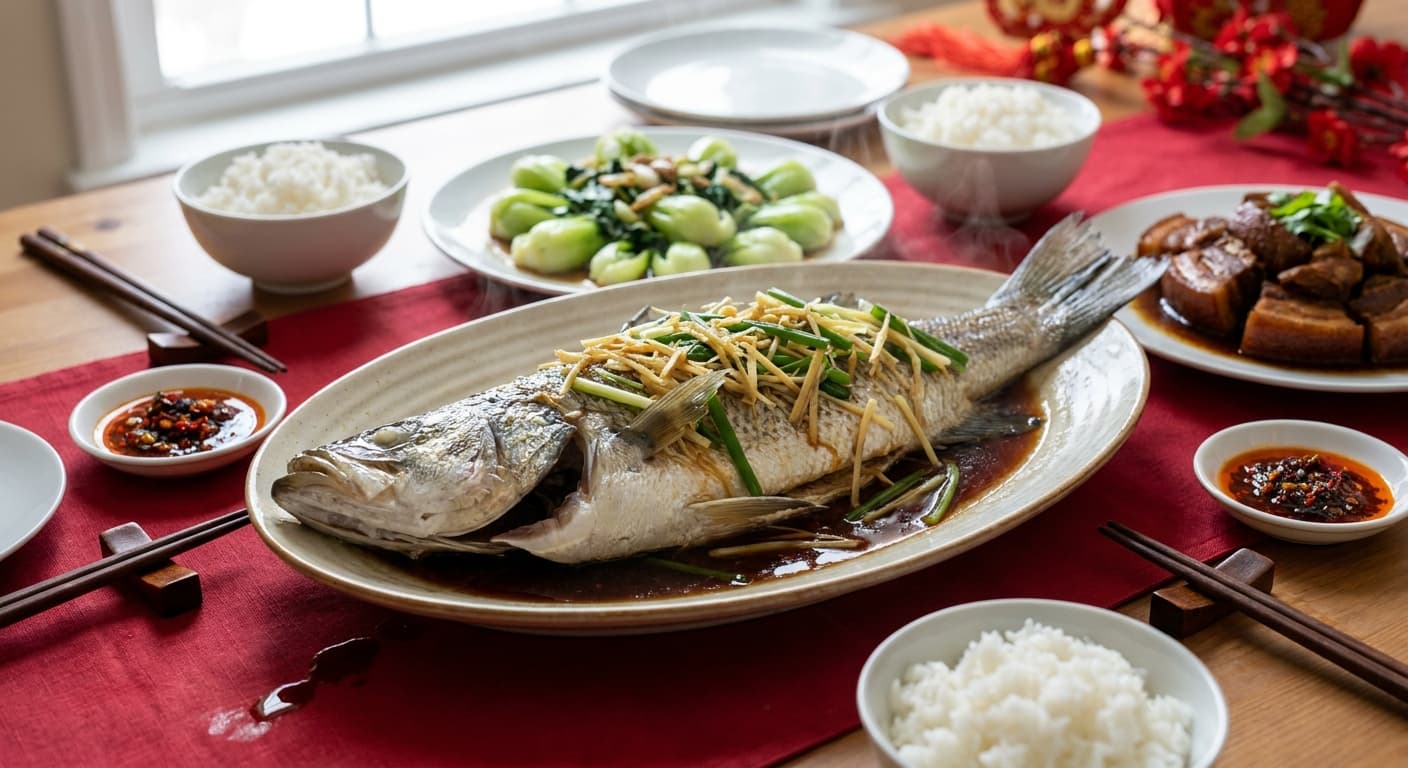 medium
Chinese · Main Courses
Cantonese Steamed Whole Fish (清蒸鱼) — Ginger-Scallion Soy Celebration Fish
A classic Cantonese whole fish steamed just until silky, then finished with ginger, scallions, hot oil, and light soy. It is prized at family banquets and Lunar New Year meals because whole fish symbolizes abundance.
32 min 4 230 cal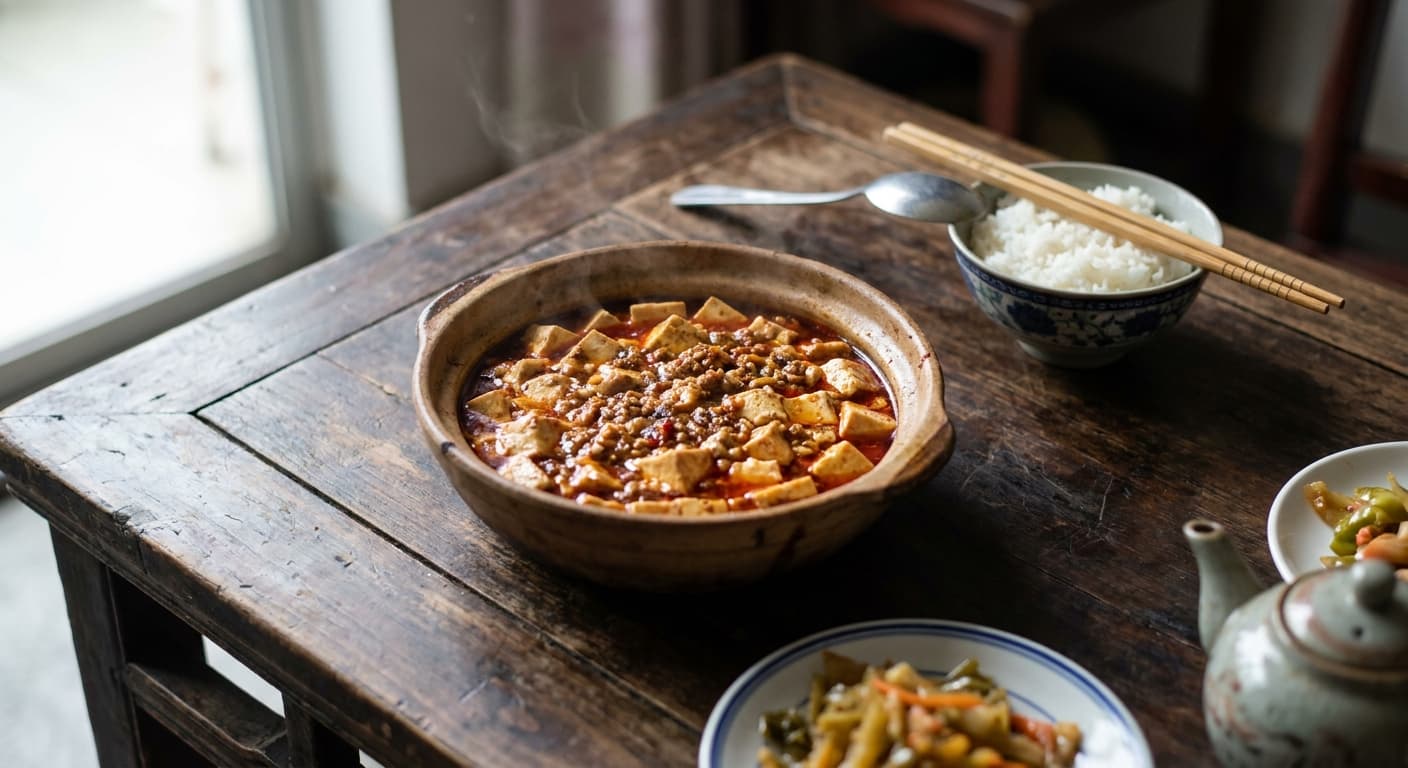 medium
Chinese · Main Courses
Mapo Tofu (麻婆豆腐) — Sichuan Silken Tofu in Spicy Fermented Bean Sauce
Mapo tofu is a Chengdu classic built on tender tofu, savory minced beef, Pixian chili bean paste, fermented black beans, and the numbing fragrance of Sichuan pepper. It is bold, saucy, and traditionally served with plain steamed rice.
35 min 4 280 cal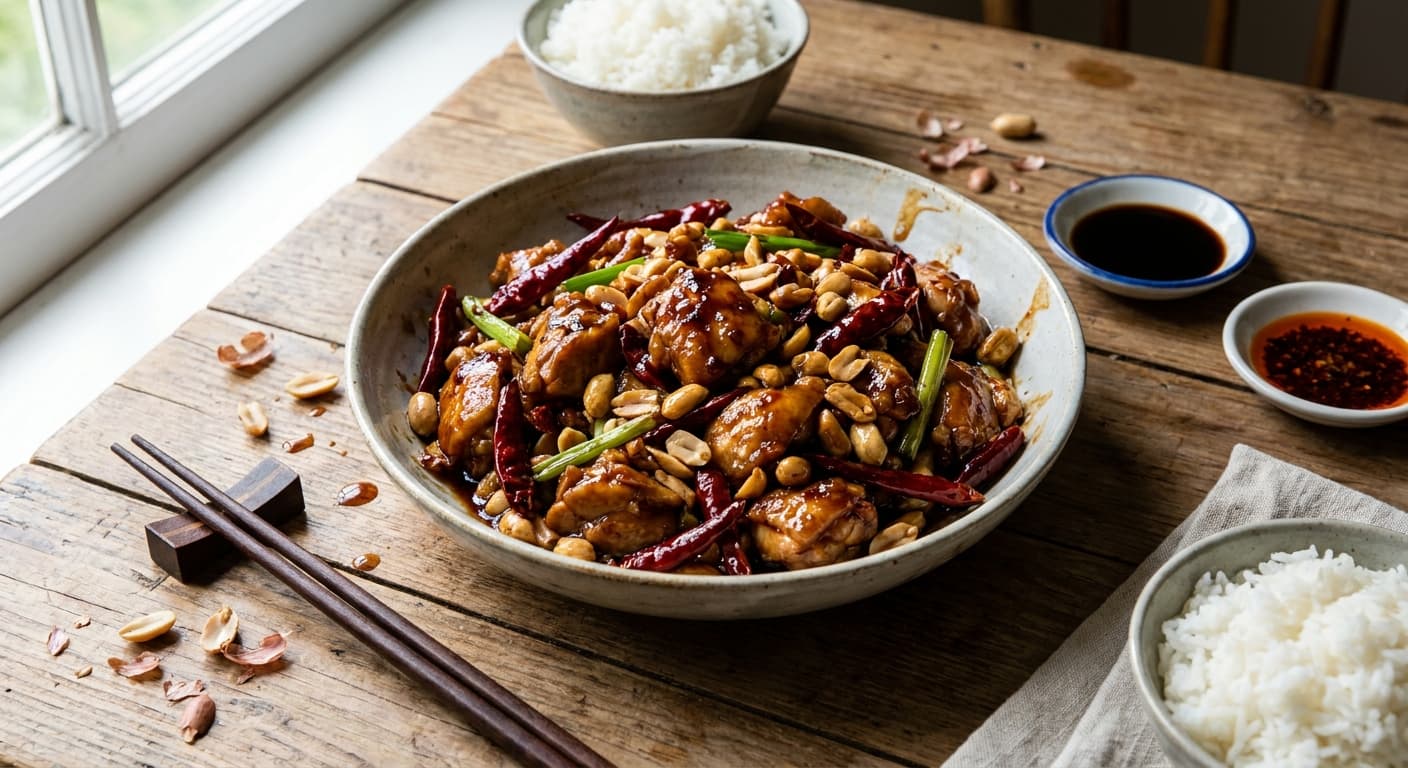 medium
Chinese · Main Courses
Kung Pao Chicken (宫保鸡丁) — Sichuan Stir-Fry with Peanuts and Dried Chilies
A classic Sichuan stir-fry of diced chicken, scorched dried chilies, Sichuan peppercorns, peanuts, and a glossy sweet-sour-savory sauce. The dish is fast, aromatic, and built on precise wok timing.
33 min 4 385 cal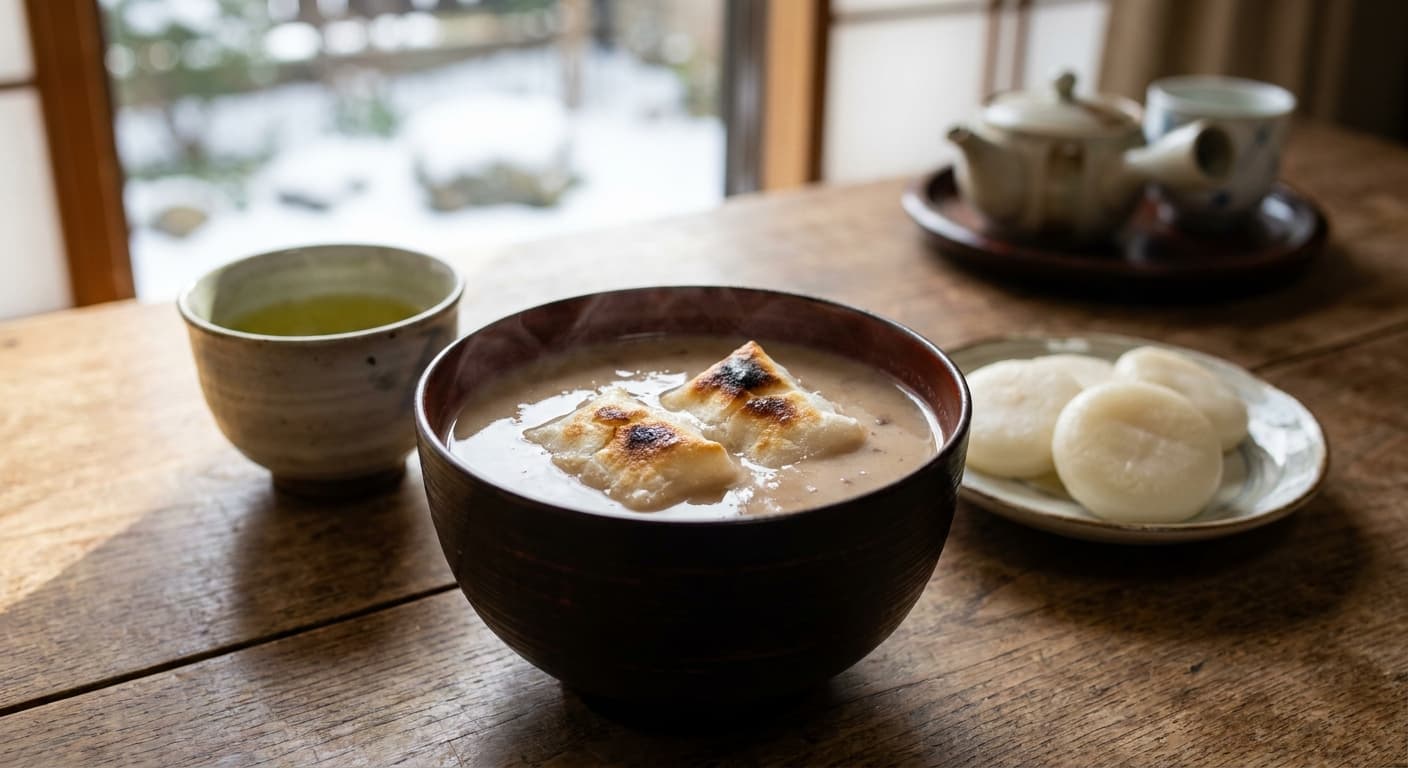 medium
Japanese · Desserts
Kurumi Shiruko (くるみ汁粉) — Sendai-Style Sweet Walnut Azuki Soup with Mochi
Kurumi shiruko is a winter sweet from the Tohoku and Sendai area, where roasted walnuts are ground into a rich paste and folded into warm azuki bean soup. Toasted mochi makes it hearty, fragrant, and deeply regional.
120 min 4 610 cal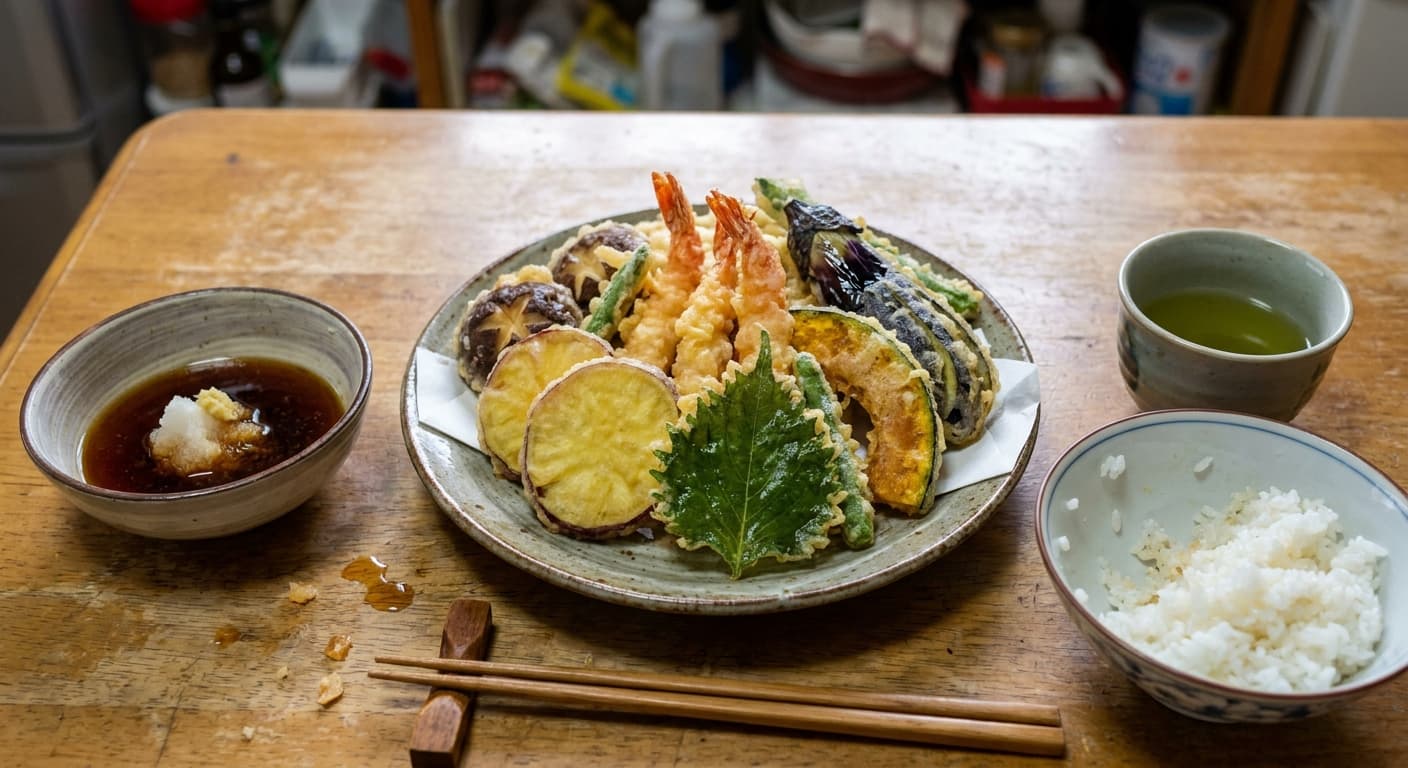 medium
Japanese · Main Courses
Tempura Moriawase (天ぷら盛り合わせ) — Assorted Shrimp and Vegetable Tempura
Tempura moriawase is a classic Japanese assortment of crisp shrimp and seasonal vegetables in a feather-light batter. It is served immediately with warm tentsuyu, grated daikon, and ginger for a clean, savory finish.
60 min 4 540 cal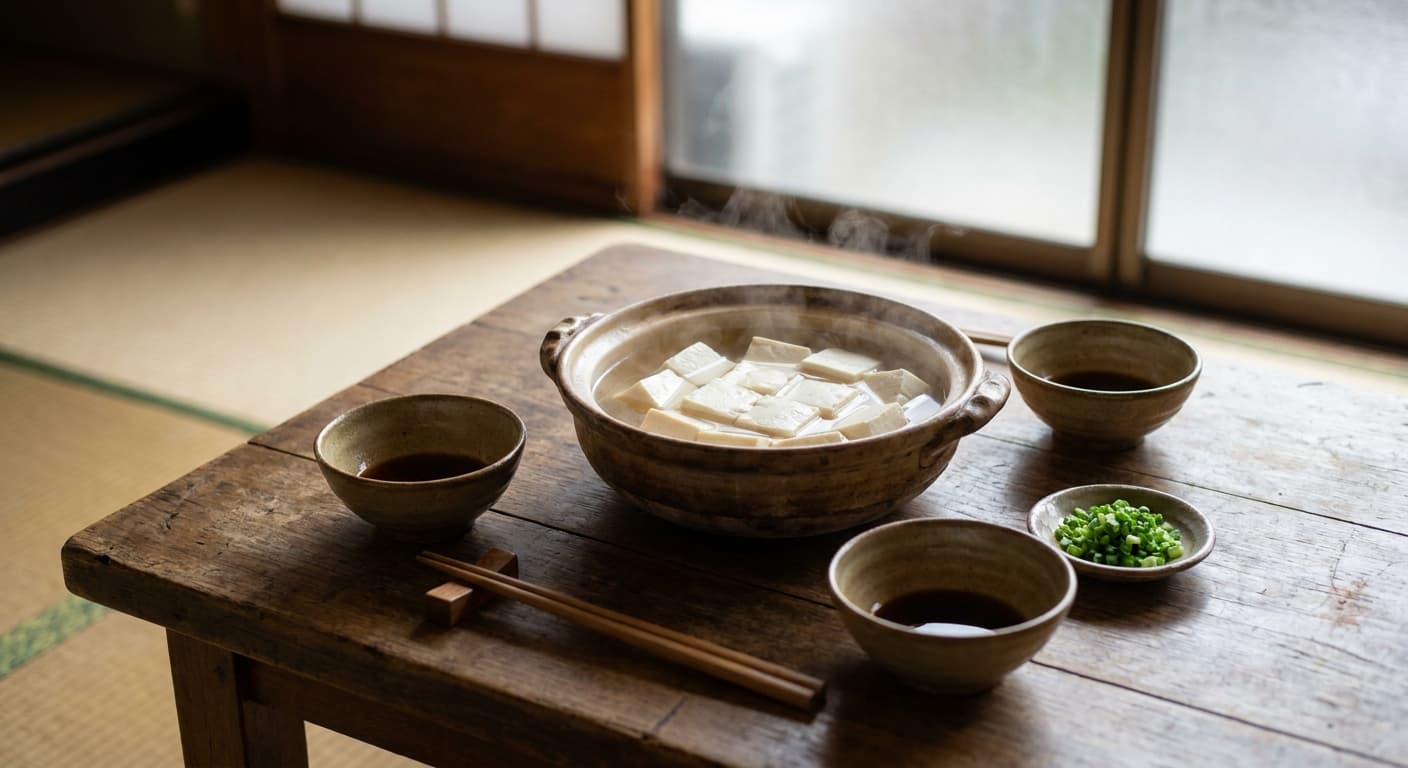 easy
Japanese · Main Courses
Yudofu (湯豆腐) — Japanese Simmered Tofu Hot Pot
Yudofu is a quiet Japanese hot pot associated with Kyoto temple cooking and cold-weather home meals. Tofu is gently warmed in kombu dashi, then eaten with bright ponzu and simple grated garnishes.
60 min 4 171 cal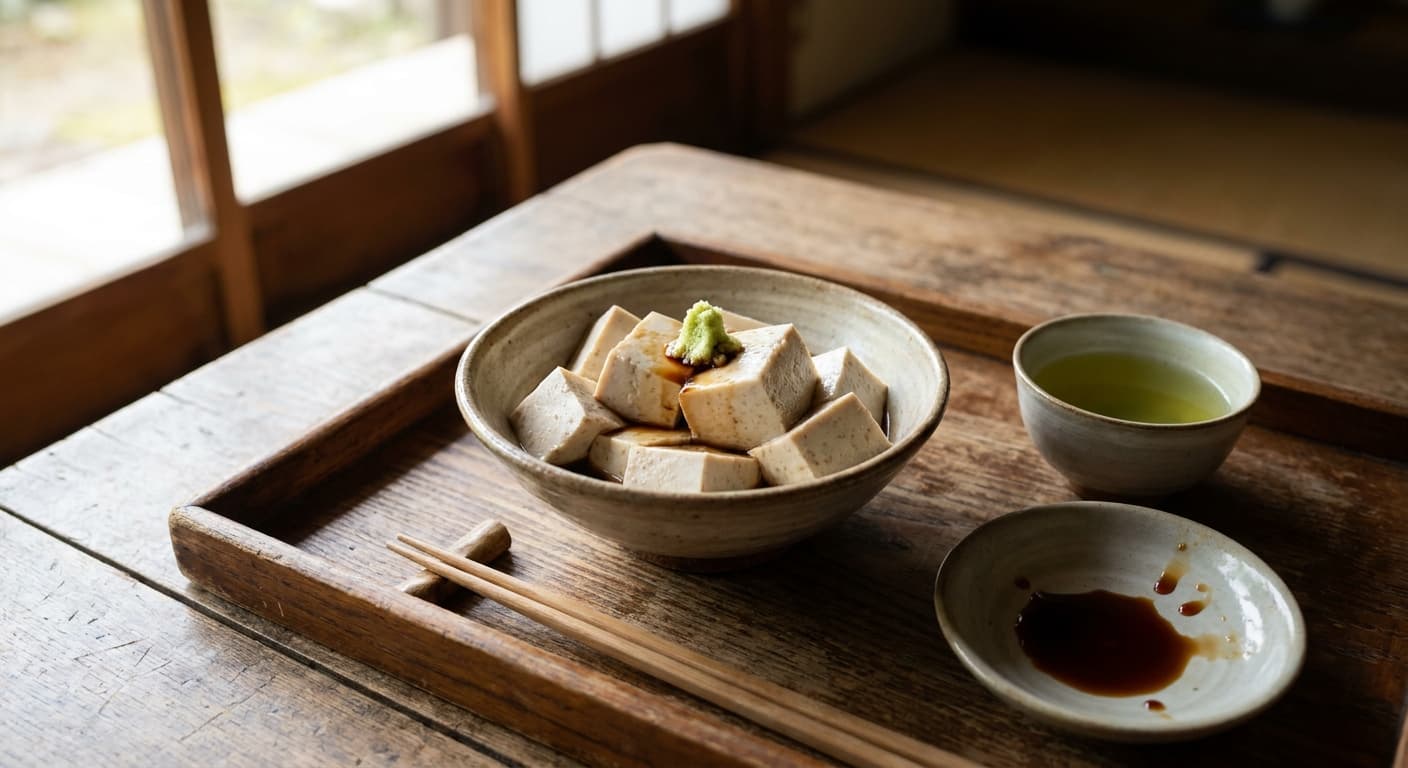 medium
Japanese · Side Dishes
Goma-dofu (胡麻豆腐) — Shojin Sesame Kuzu Tofu
Goma-dofu is a classic shojin ryori preparation from Japanese Buddhist temple cooking. Despite the name tofu, it contains no soybean; white sesame paste and kuzu starch are cooked into a cool, custard-like block.
28 min 4 176 cal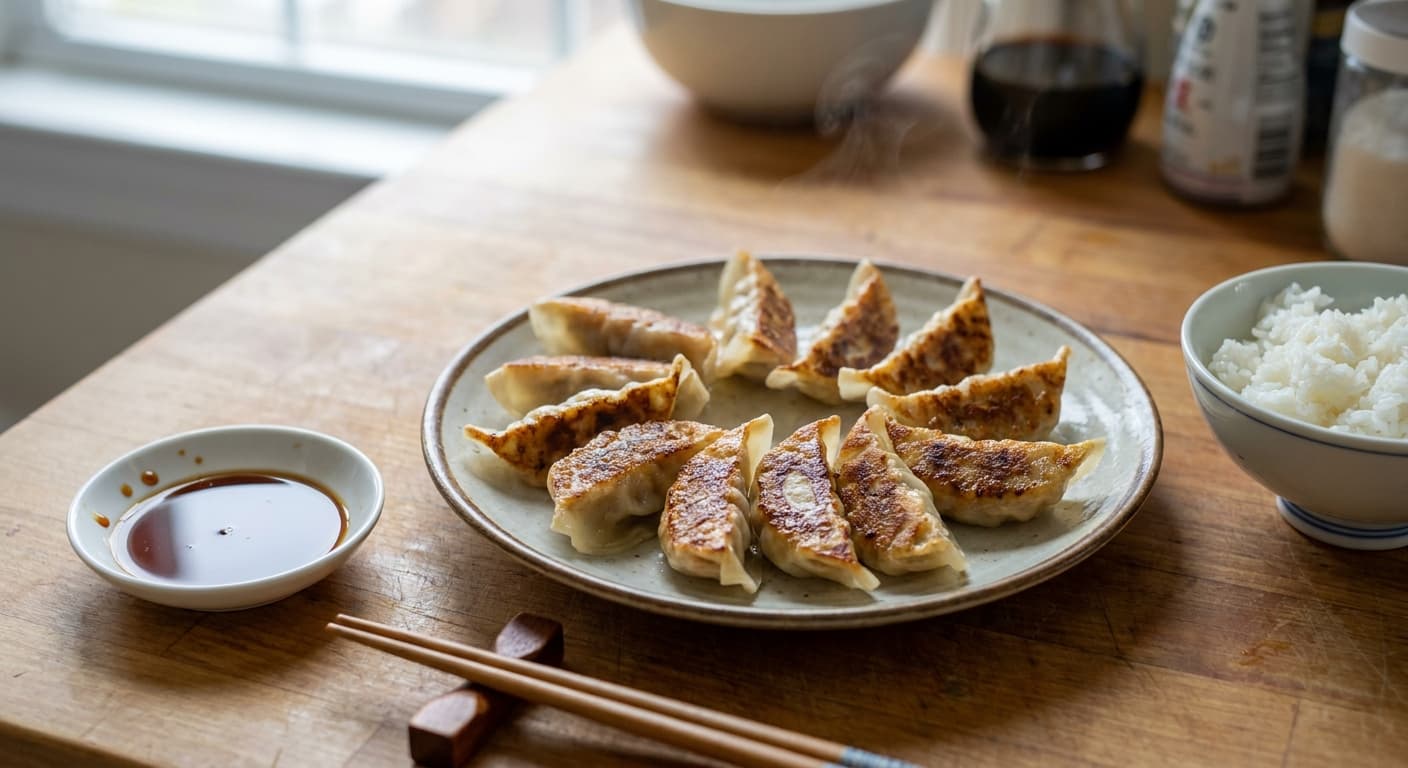 medium
Japanese · Appetizers
Gyoza (餃子) — Japanese Pan-Fried Dumplings
Gyoza are Japanese-style pan-fried dumplings with juicy pork-vegetable filling, crisp seared bottoms, and tender steamed tops. They are beloved at home, in ramen shops, and as an izakaya snack.
63 min 6 330 cal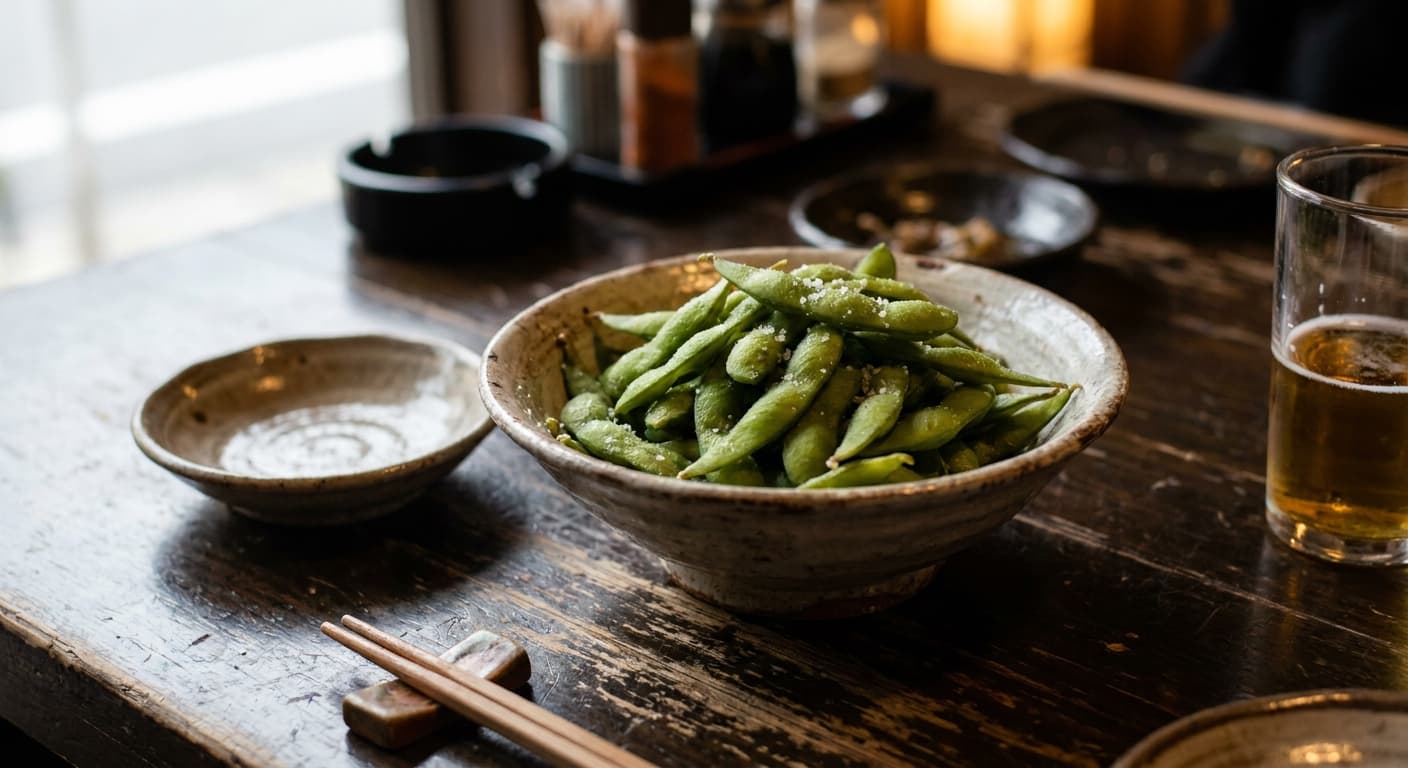 easy
Japanese · Appetizers
Edamame (枝豆) — Boiled Salted Soybeans, Japanese Izakaya Snack
Edamame are young soybeans boiled in their pods and salted, a classic Japanese bar snack and summer home dish. The pods are not eaten; diners pop the tender beans out with their teeth.
15 min 4 95 cal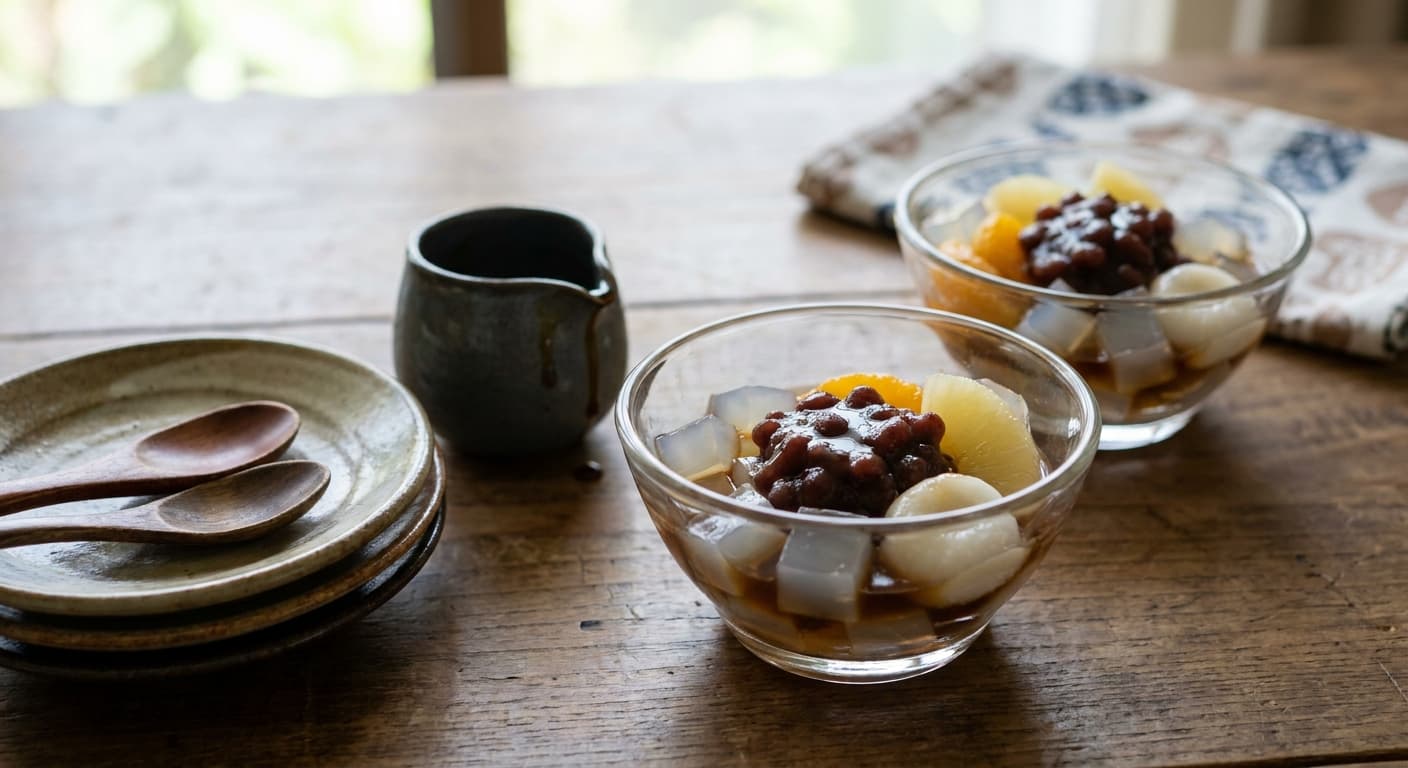 medium
Japanese · Desserts
Anmitsu (あんみつ) — Kanten Jelly Dessert with Red Bean Paste
Anmitsu is a classic Japanese cafe dessert built from cool kanten jelly, sweet red bean paste, fruit, chewy rice dumplings, and dark sugar syrup. It is especially loved in warm weather for its clean, refreshing textures.
55 min 4 340 cal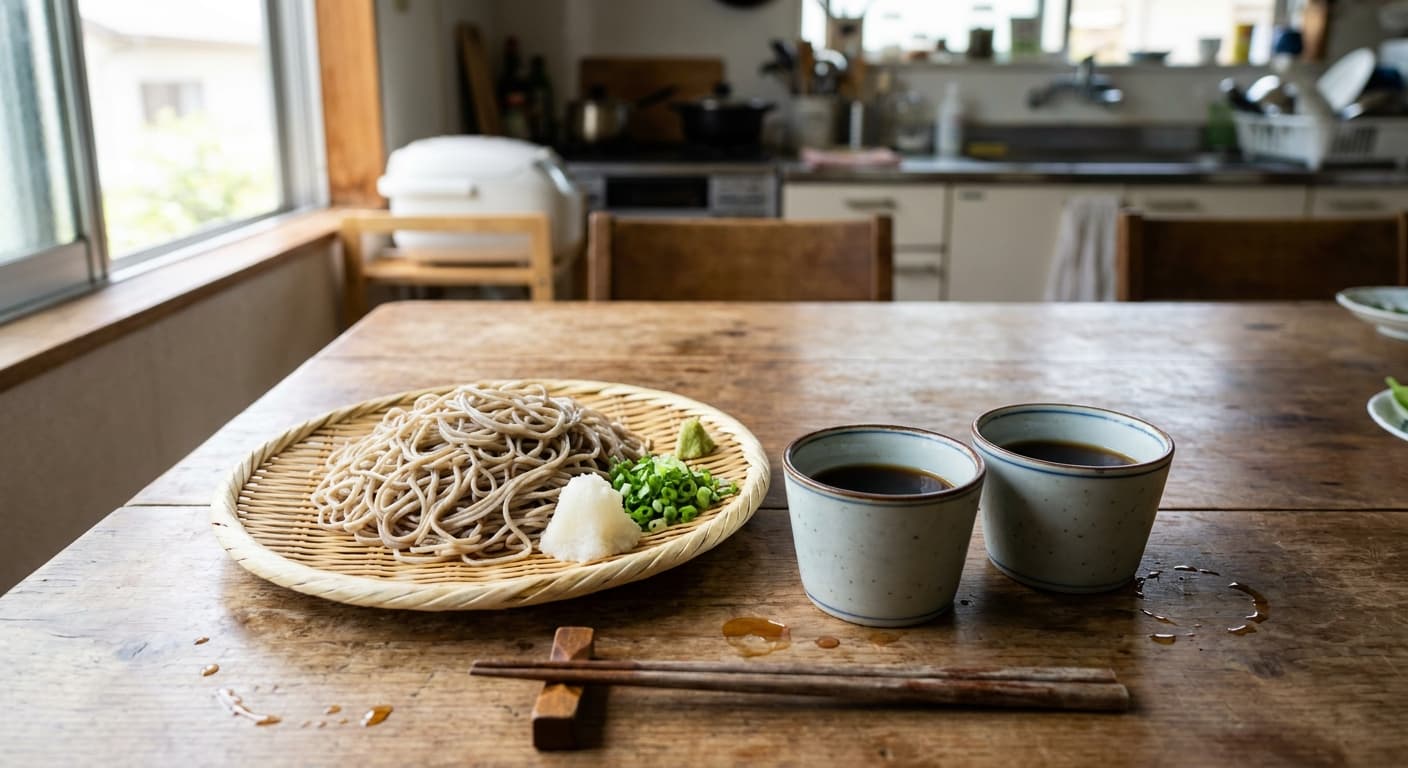 medium
Japanese · Main Courses
Soba (蕎麦) — Cold Buckwheat Noodles with Dipping Sauce
Cold soba is a classic Japanese noodle dish served on a draining tray with concentrated dipping sauce, scallions, wasabi, and nori. Its appeal lies in the nutty aroma of buckwheat, clean texture, and careful rinsing.
50 min 4 384 cal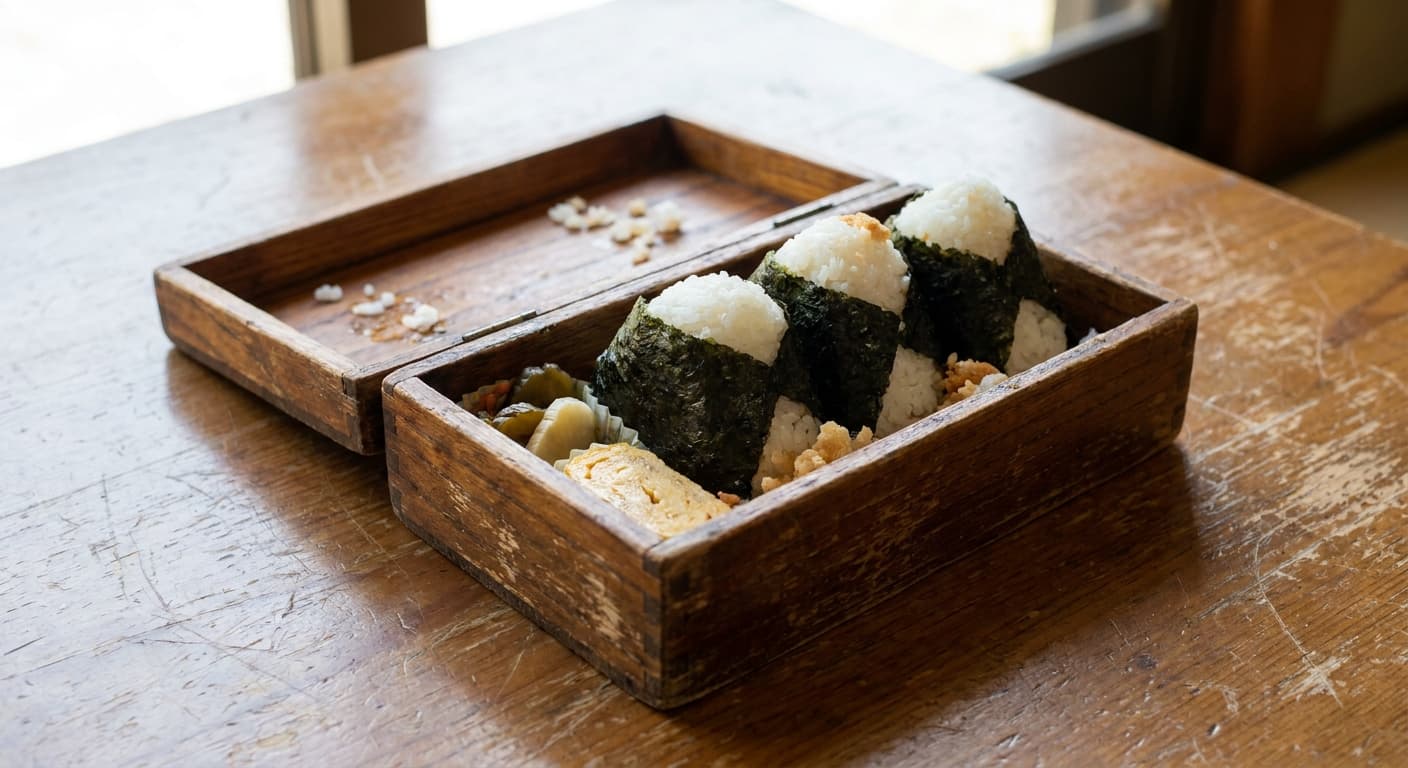 medium
Japanese · Rice Dishes
Filled Onigiri (具入りおにぎり) — Japanese Rice Balls with Classic Fillings
Filled onigiri are hand-shaped Japanese rice balls packed with savory centers such as salted salmon, tuna mayonnaise, or seasoned bonito flakes. They are everyday home food, lunchbox staples, and picnic favorites.
60 min 6 365 cal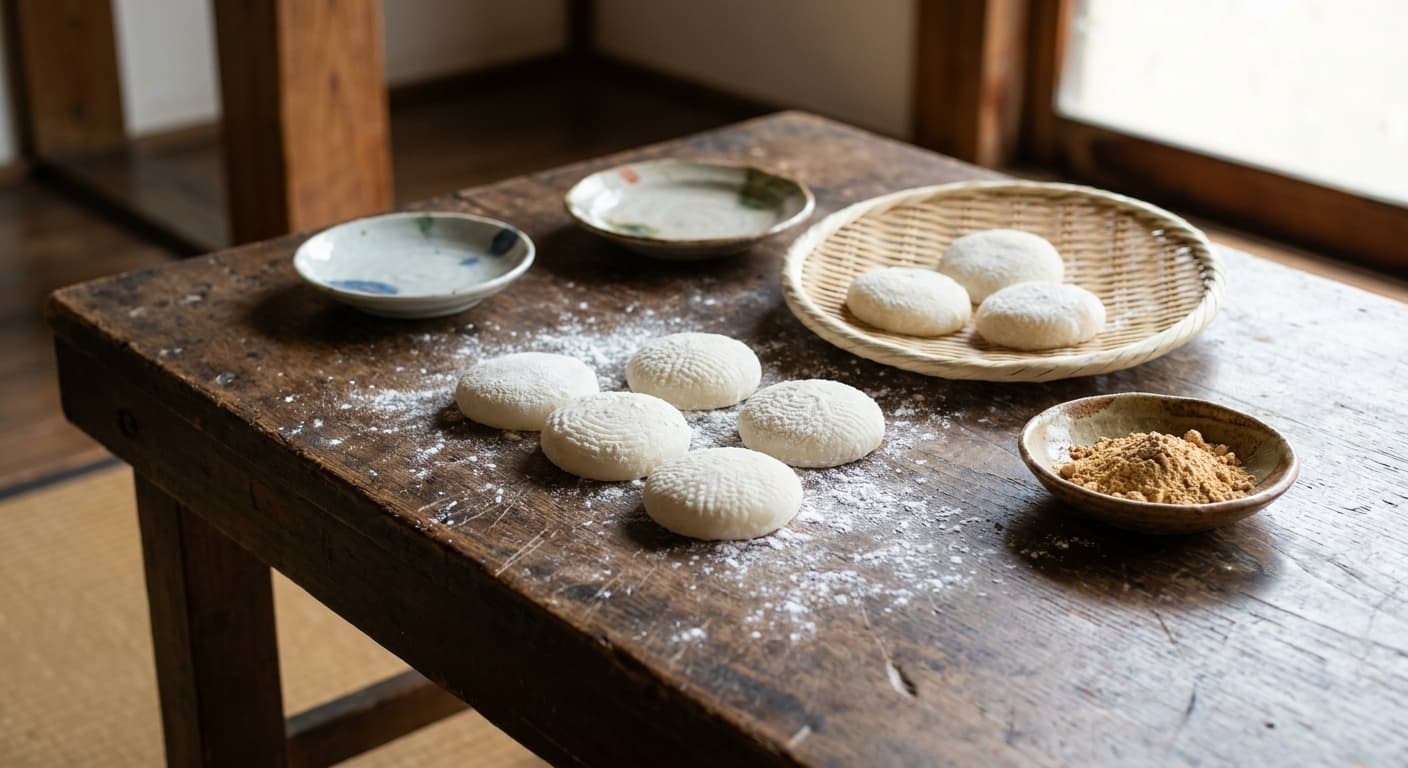 medium
Japanese · Side Dishes
Mochi (餅) — Traditional Pounded Glutinous Rice Cakes
Mochi is Japan’s classic pounded rice cake, made from steamed glutinous short-grain rice beaten until elastic and smooth. It is central to Japanese New Year traditions and also enjoyed year-round grilled, simmered, or sweetened.
100 min 6 320 cal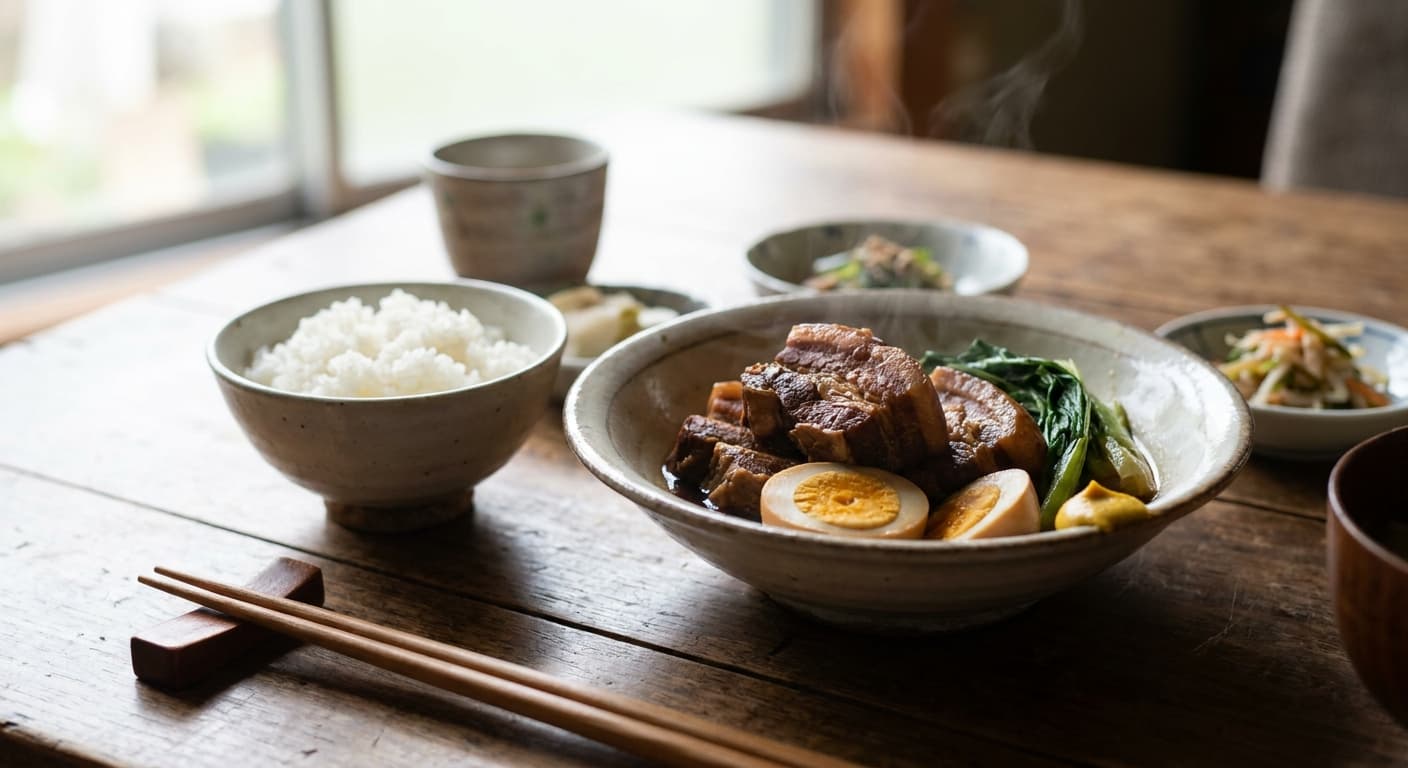 medium
Japanese · Main Courses
Buta no Kakuni (豚の角煮) — Japanese Soy-Braised Pork Belly
Buta no Kakuni is a Japanese home-style pork belly simmered until spoon-tender in soy sauce, sake, mirin, sugar, and ginger. Its glossy cubes are rich but balanced, often served with rice, greens, mustard, and a seasoned egg.
190 min 4 730 cal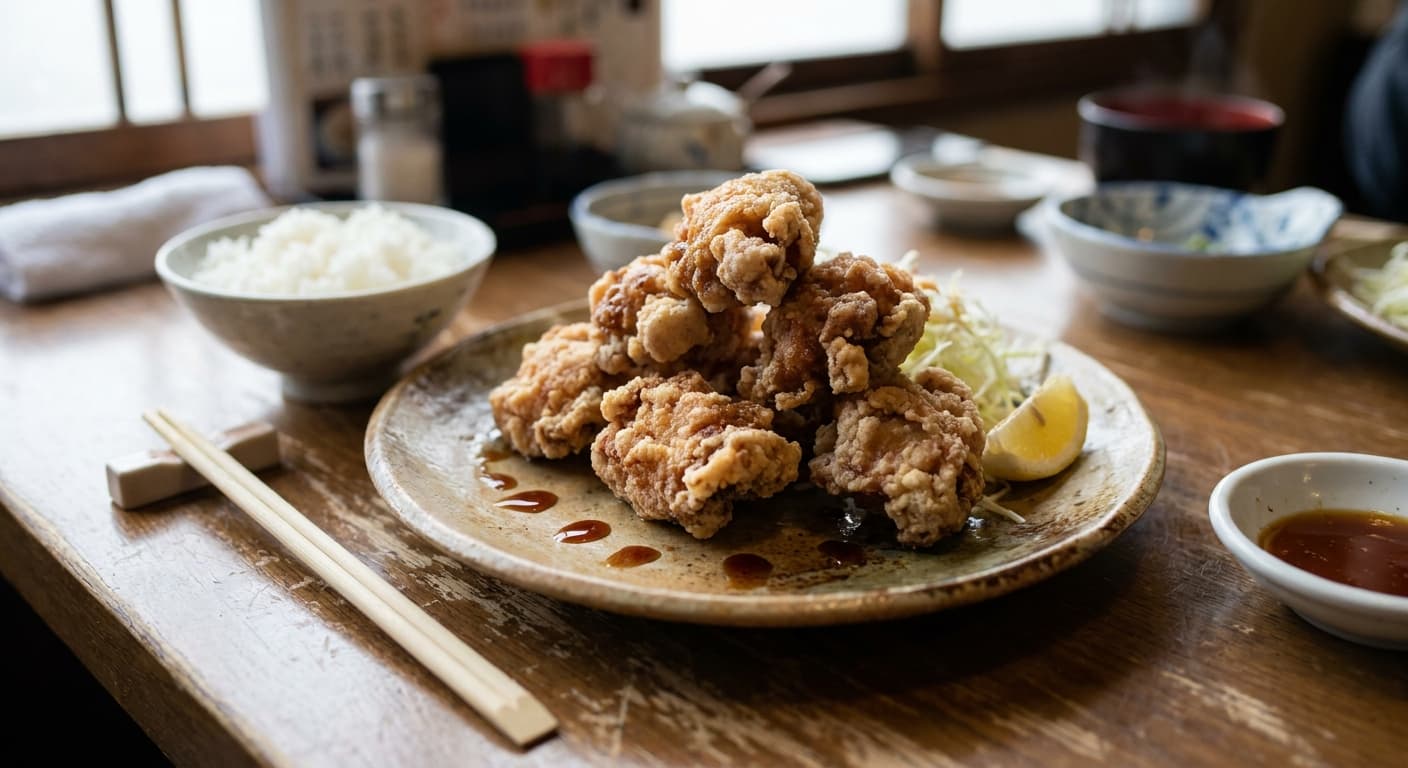 medium
Japanese · Main Courses
Japanese Karaage (唐揚げ) — Crisp Ginger-Soy Fried Chicken
Karaage is Japan’s beloved ginger-soy marinated fried chicken, served at home, izakaya counters, festivals, and in bento boxes. Potato starch gives the nuggets a light, craggy crust while the thigh meat stays juicy.
38 min 4 545 cal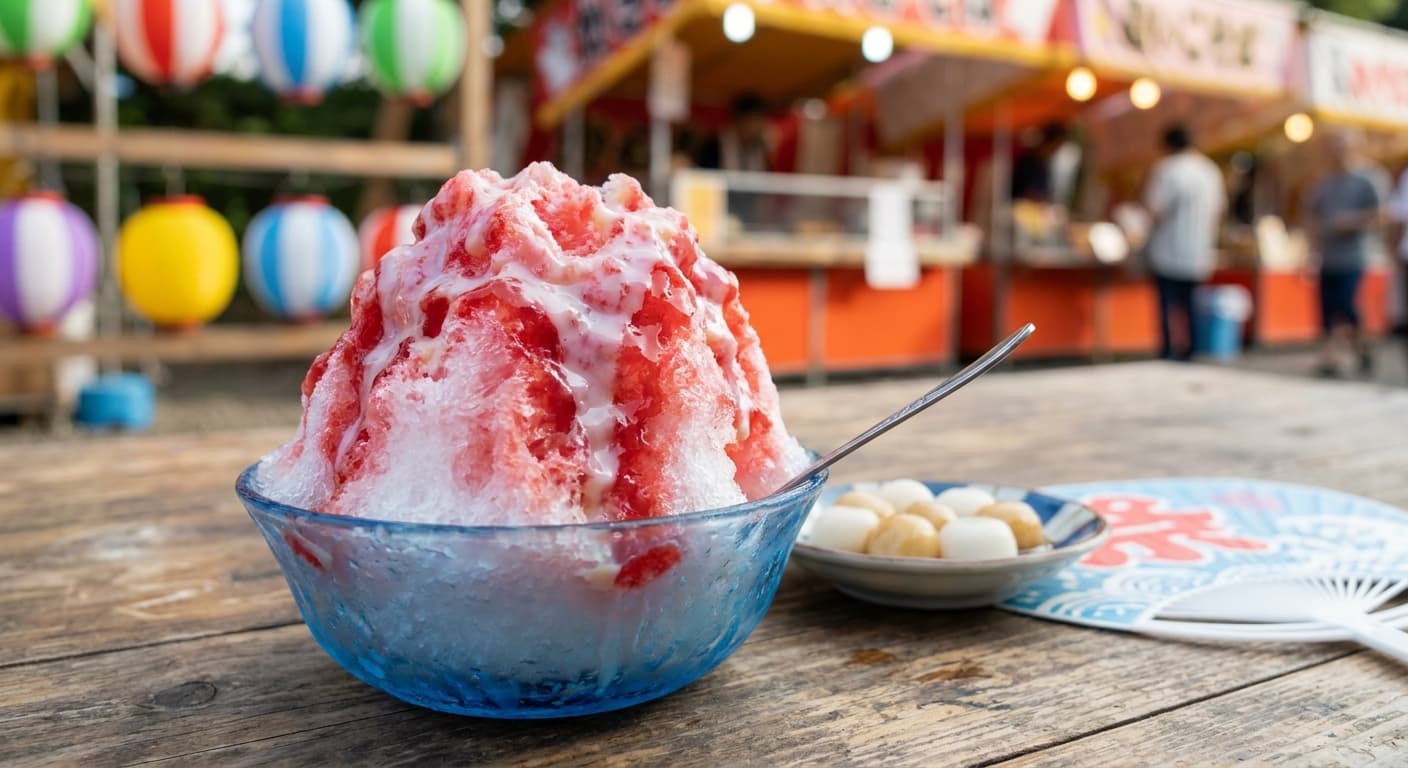 medium
Japanese · Desserts
Kakigori (かき氷) — Japanese Shaved Ice with Strawberry Syrup
Kakigori is Japan’s beloved summer shaved-ice dessert, served at festivals, beach stalls, cafes, and family tables. This version uses fresh strawberry syrup, condensed milk, red bean paste, and chewy shiratama dumplings.
50 min 4 355 cal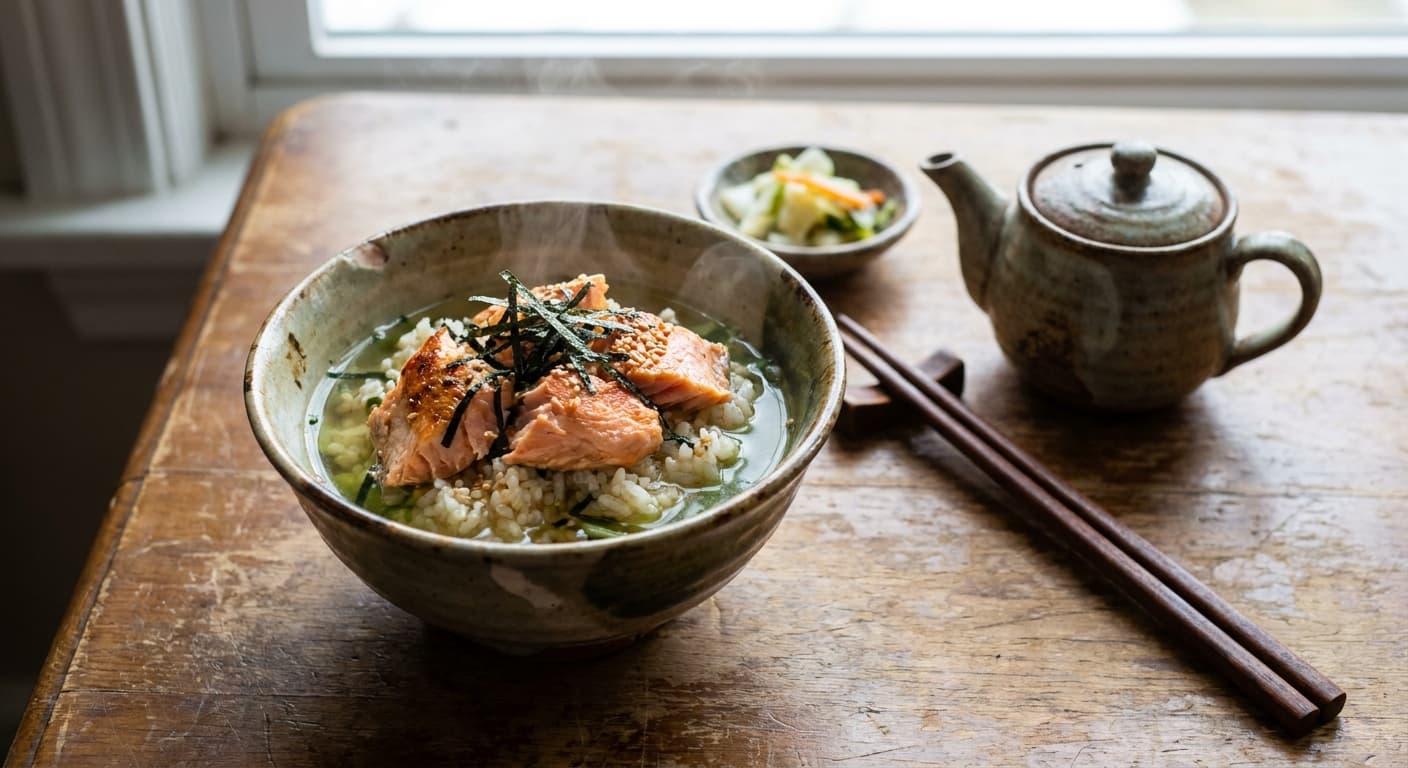 easy
Japanese · Rice Dishes
Chazuke (茶漬け) — Japanese Tea-Poured Rice with Grilled Salmon
Chazuke is a comforting Japanese bowl of cooked rice covered with hot green tea and simple savory toppings. This salmon version is a classic home preparation, often eaten as a light meal, breakfast, or gentle late-night dish.
35 min 2 460 cal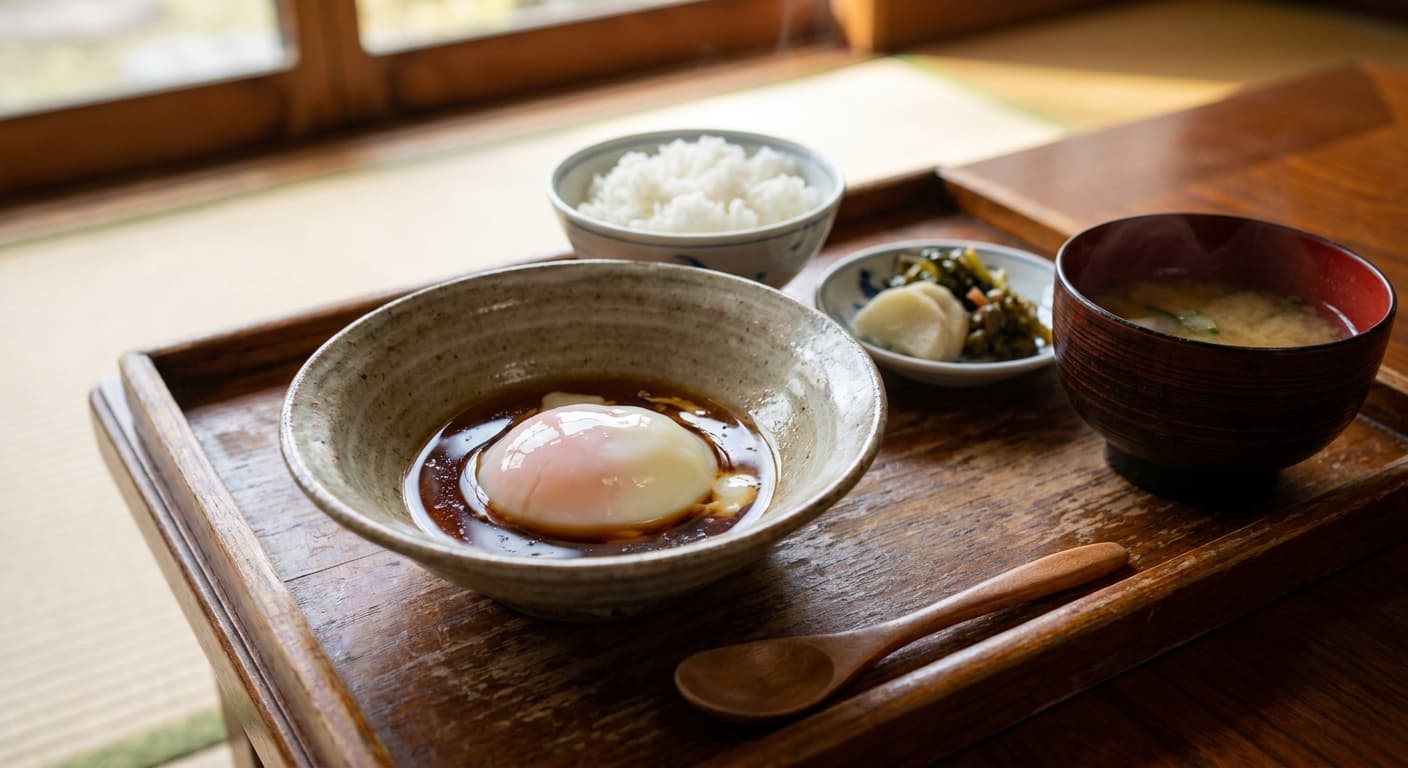 medium
Japanese · Side Dishes
Onsen Tamago (温泉卵) — Silky Japanese Hot-Spring Egg
Onsen tamago is a softly set Japanese egg inspired by eggs cooked in natural hot springs. The custardy yolk and barely set white are served with a light soy-mirin dashi sauce, often at ryokan breakfasts.
40 min 4 88 cal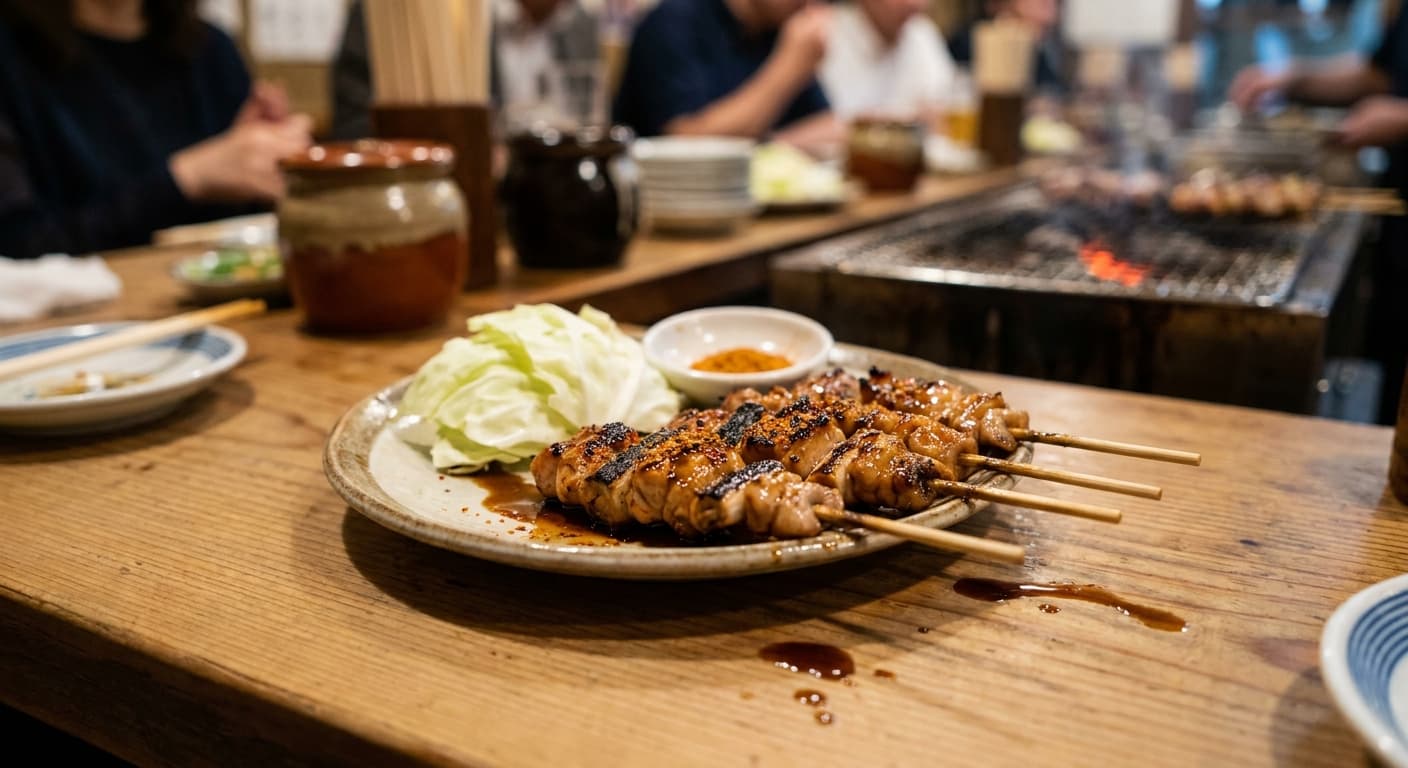 medium
Japanese · Kebabs
Yakitori (焼き鳥) — Japanese Grilled Chicken Skewers
Yakitori is a beloved Japanese grilled chicken skewer, often served at izakaya counters, street stalls, and casual home cookouts. This version uses thigh meat, scallions, and a glossy soy-mirin tare.
55 min 4 356 cal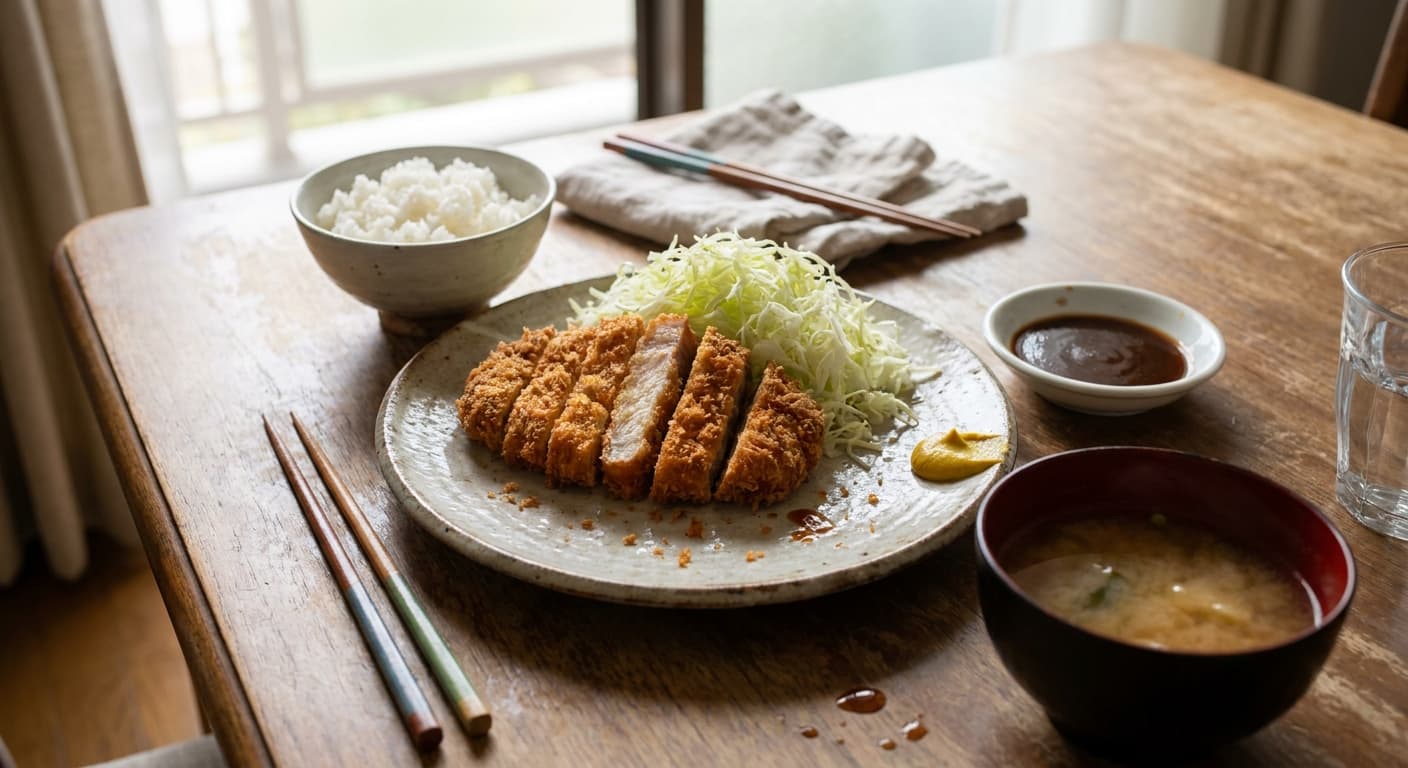 medium
Japanese · Main Courses
Tonkatsu (豚カツ) — Crisp Japanese Pork Cutlet
Tonkatsu is a beloved Japanese yoshoku dish: a Western-style pork cutlet adapted into everyday Japanese cooking. The best versions balance juicy pork, a craggy panko crust, shredded cabbage, and sweet-savory tonkatsu sauce.
43 min 4 580 cal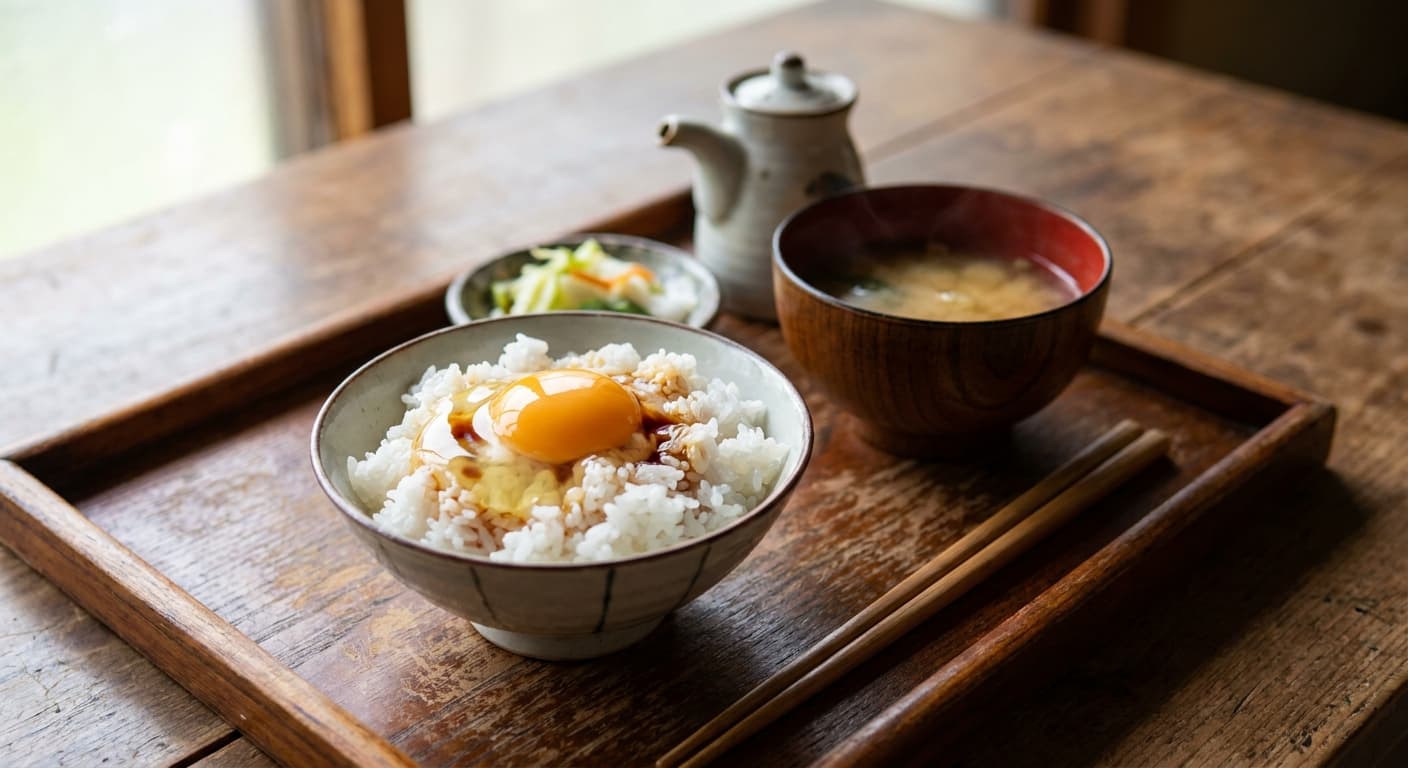 easy
Japanese · Rice Dishes
Tamago Kake Gohan (卵かけご飯) — Japanese Raw Egg Rice Breakfast
Tamago kake gohan is a beloved Japanese home breakfast of steaming short-grain rice mixed with raw egg and soy sauce. It is fast, comforting, and rooted in everyday rice culture rather than restaurant cooking.
40 min 2 470 cal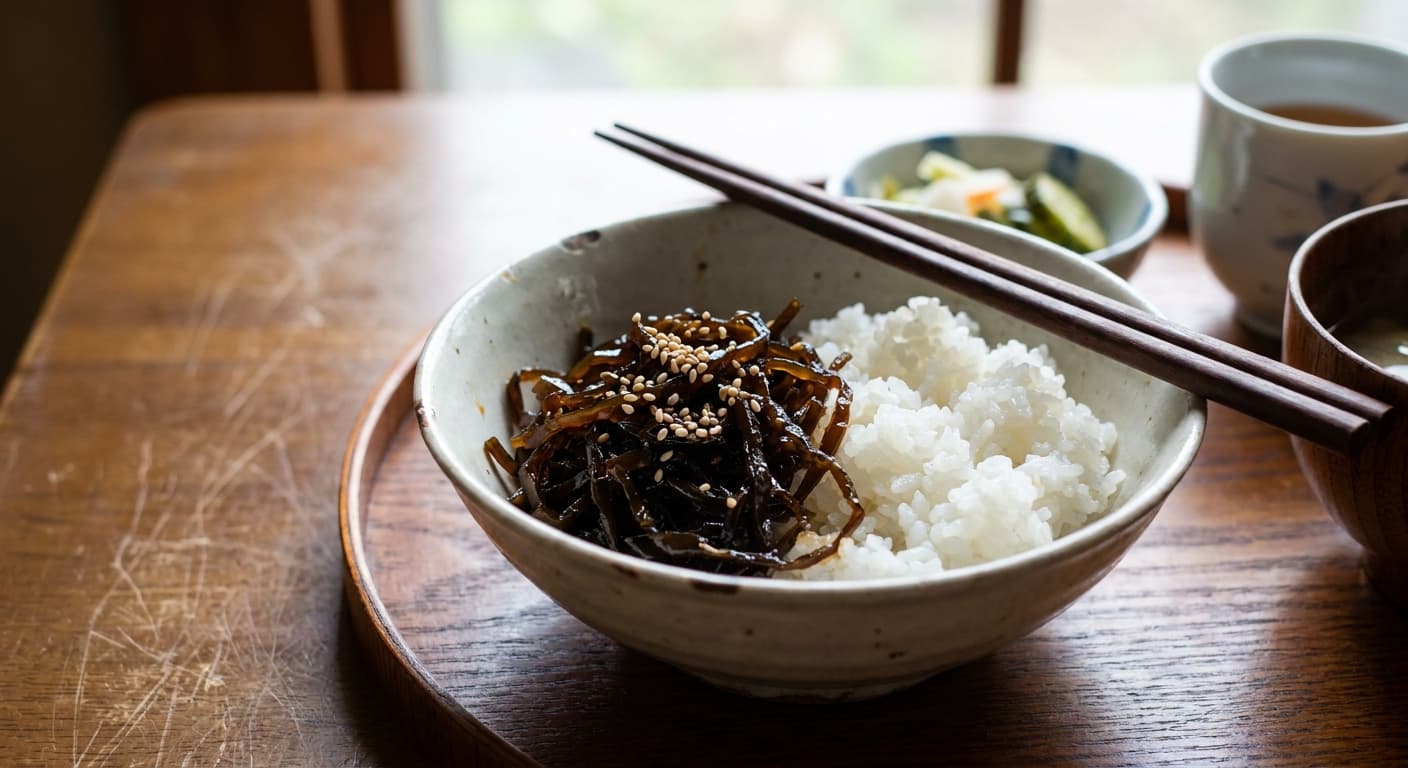 easy
Japanese · Side Dishes
Kombu no Tsukudani (昆布の佃煮) — Soy-Simmered Kelp Relish
Kombu no tsukudani is a classic Japanese preserved side dish made by slowly simmering kelp in soy sauce, mirin, sake, and sugar. It is served in small amounts with rice, tucked into bento, or used as an onigiri filling.
65 min 8 60 cal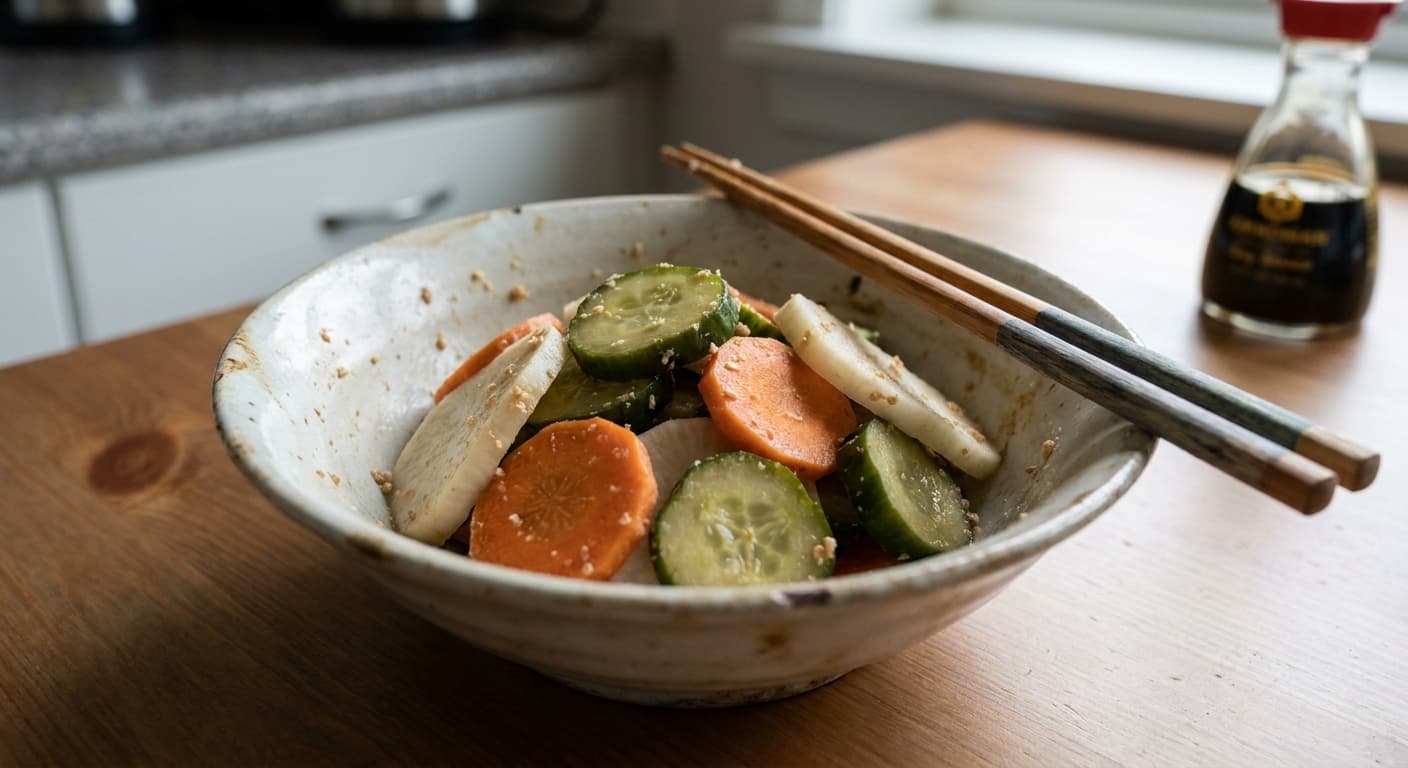 medium
Japanese · Side Dishes
Nukazuke (糠漬け) — Japanese Rice Bran Pickles
Nukazuke are Japanese vegetables fermented in a living rice bran bed, valued for their salty-sour depth, crunch, and subtle lactic tang. They are a classic home pickle served with rice, miso soup, and everyday meals.
40 min 8 42 cal