All Recipes
1841 authentic recipes from our kitchen to yours.
 easy
Japanese · Side Dishes
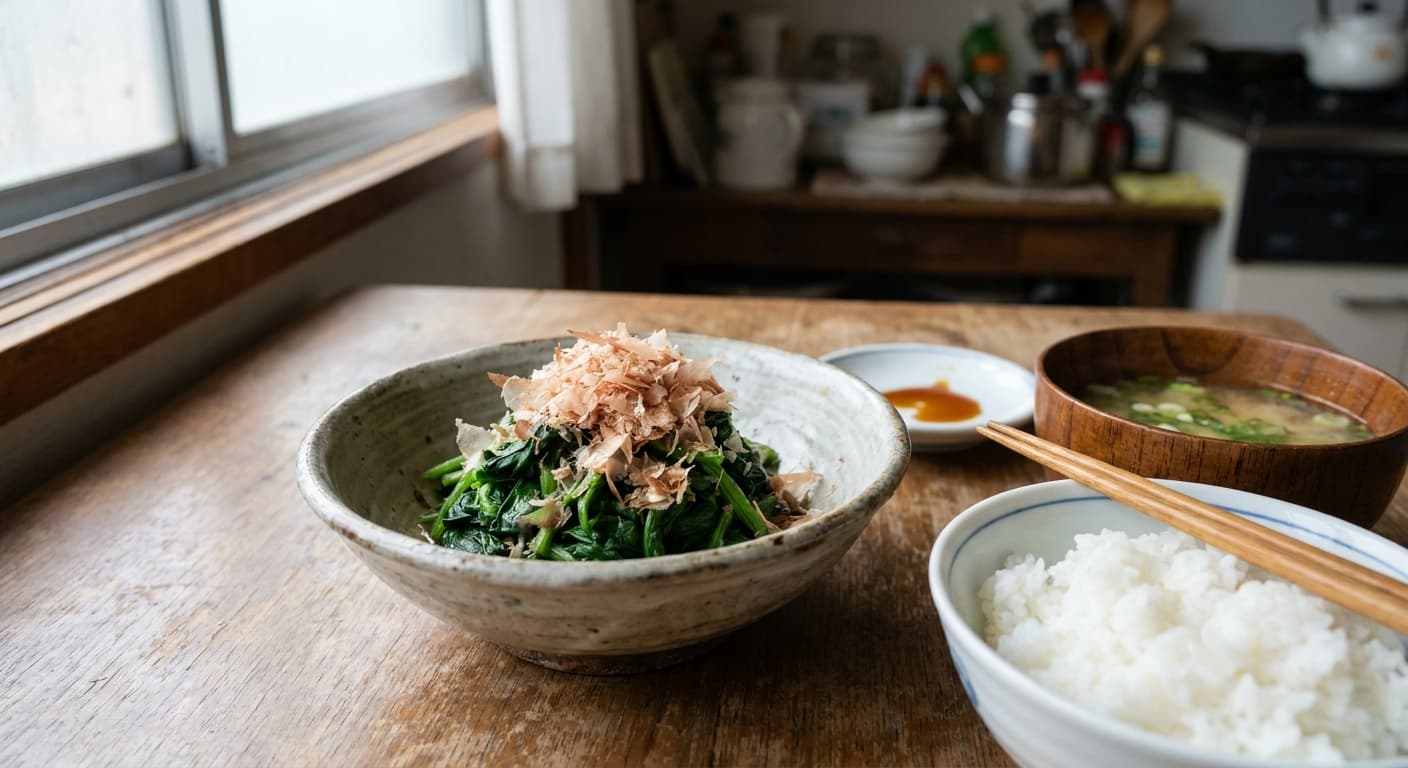
Ohitashi (お浸し) — Japanese Dashi-Soaked Greens
Ohitashi is a classic Japanese side dish of blanched greens gently steeped in seasoned dashi. This version uses spinach, soy sauce, mirin, and katsuobushi for a clean, savory washoku flavor.
20 min 4 58 cal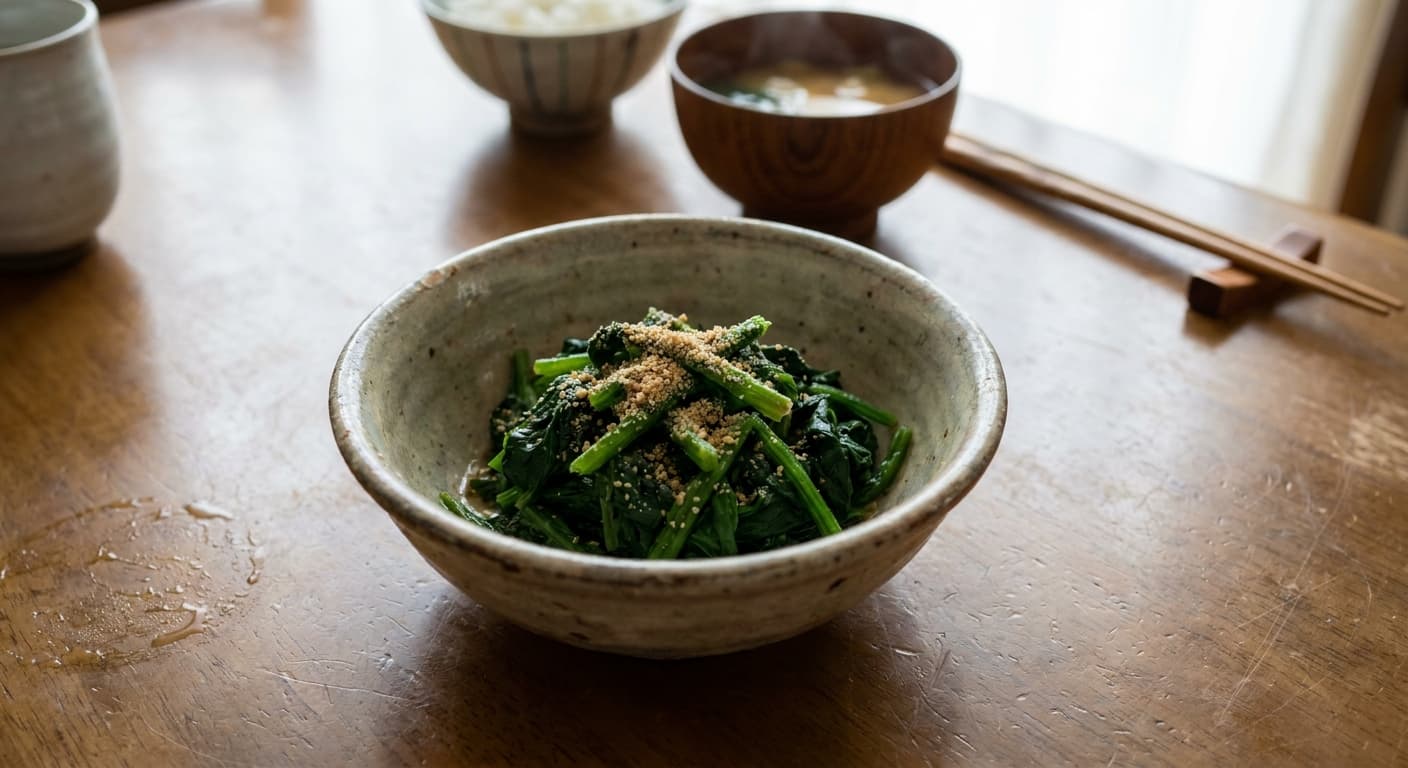 easy
Japanese · Side Dishes
Gomaae (ごまあえ) — Japanese Spinach with Sesame Dressing
Gomaae is a classic Japanese side dish of blanched vegetables dressed with ground sesame, soy sauce, and sugar. This spinach version is common in home meals, lunch boxes, and small washoku plates.
18 min 4 108 cal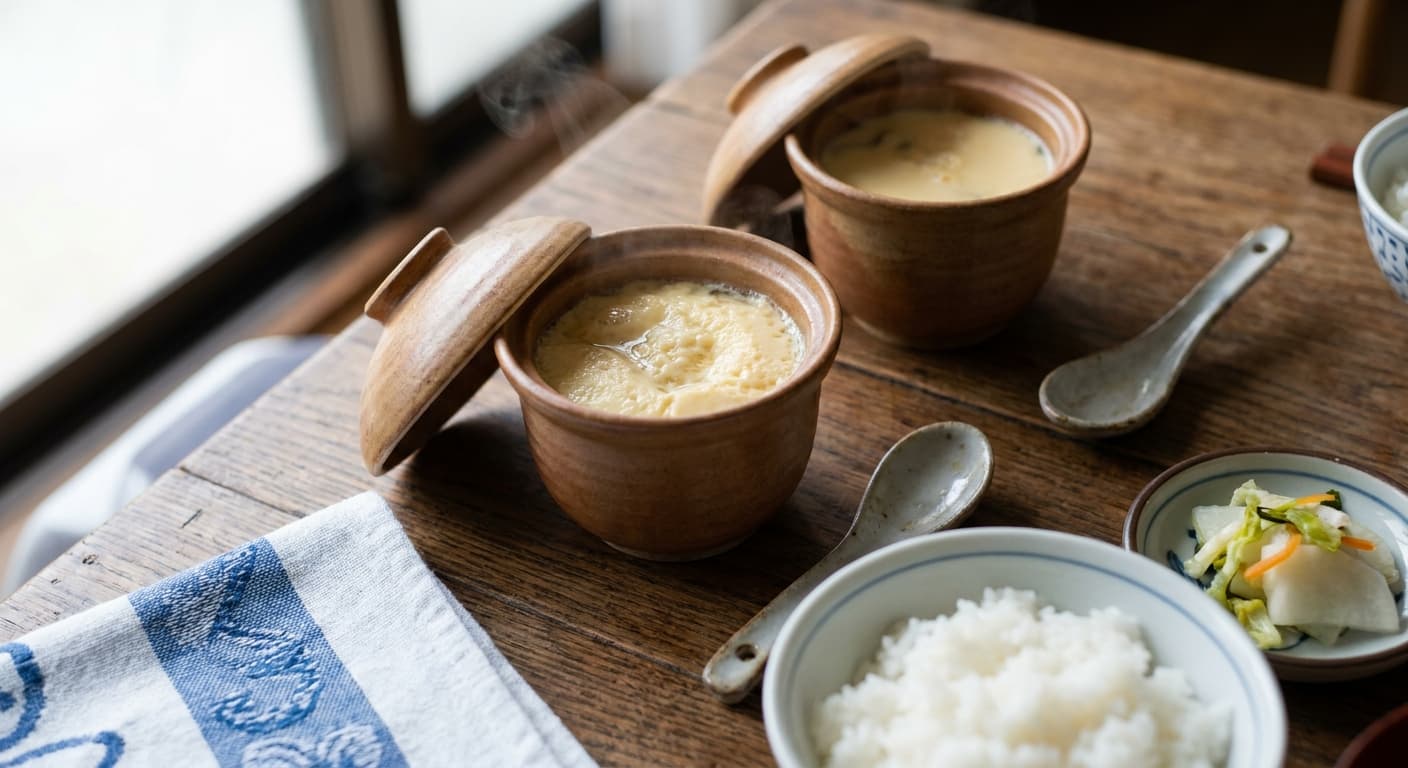 medium
Japanese · Appetizers
Chawanmushi (茶碗蒸し) — Silky Japanese Savory Egg Custard
Chawanmushi is a classic Japanese savory custard steamed in individual cups. Its delicate egg-and-dashi base holds small treasures such as chicken, shrimp, shiitake, ginkgo nuts, and mitsuba.
43 min 4 166 cal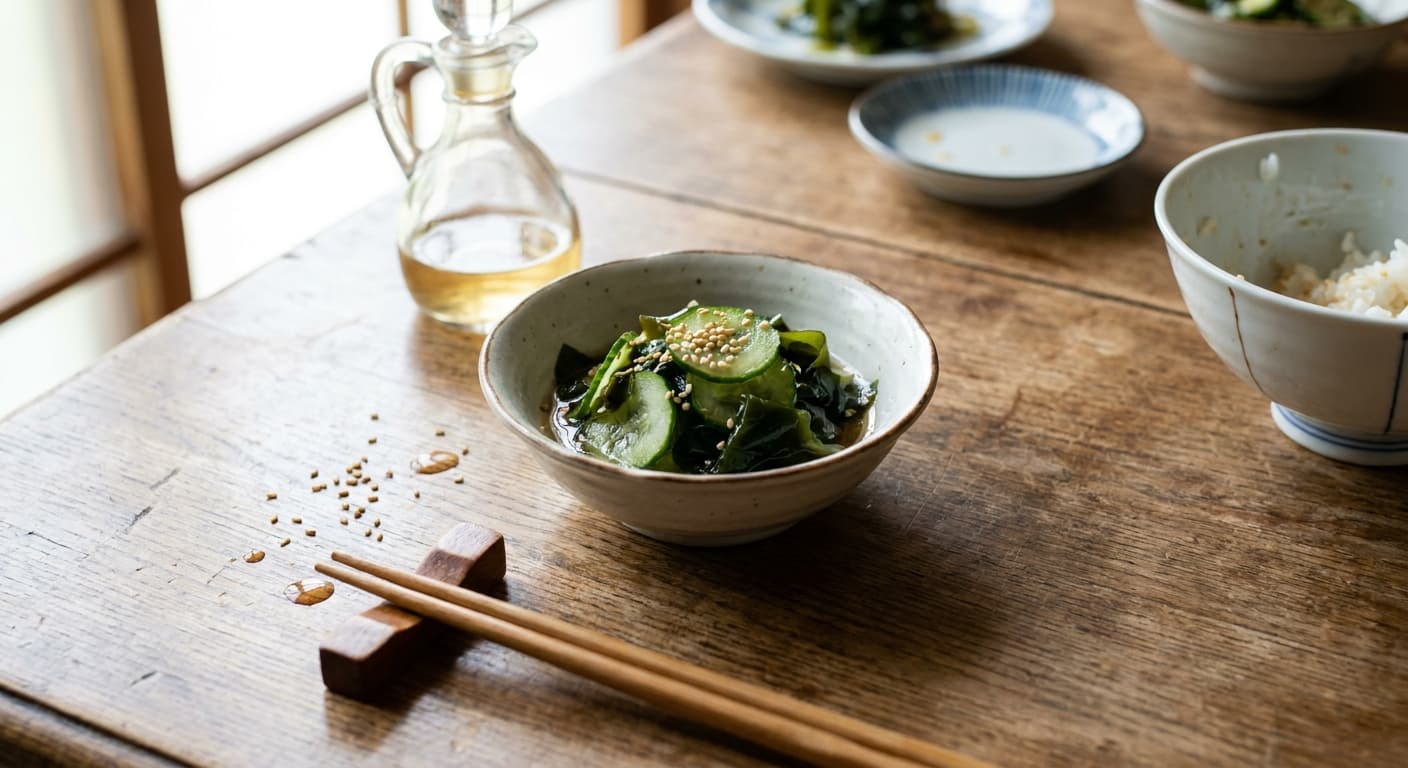 easy
Japanese · Salads
Sunomono (酢の物) — Japanese Vinegared Cucumber and Wakame Salad
Sunomono is a classic Japanese vinegared side dish served as a palate-cleansing salad in home meals, bento, and multi-course settings. This version pairs crisp salted cucumber with tender wakame in a balanced sweet-sour dressing.
20 min 4 66 cal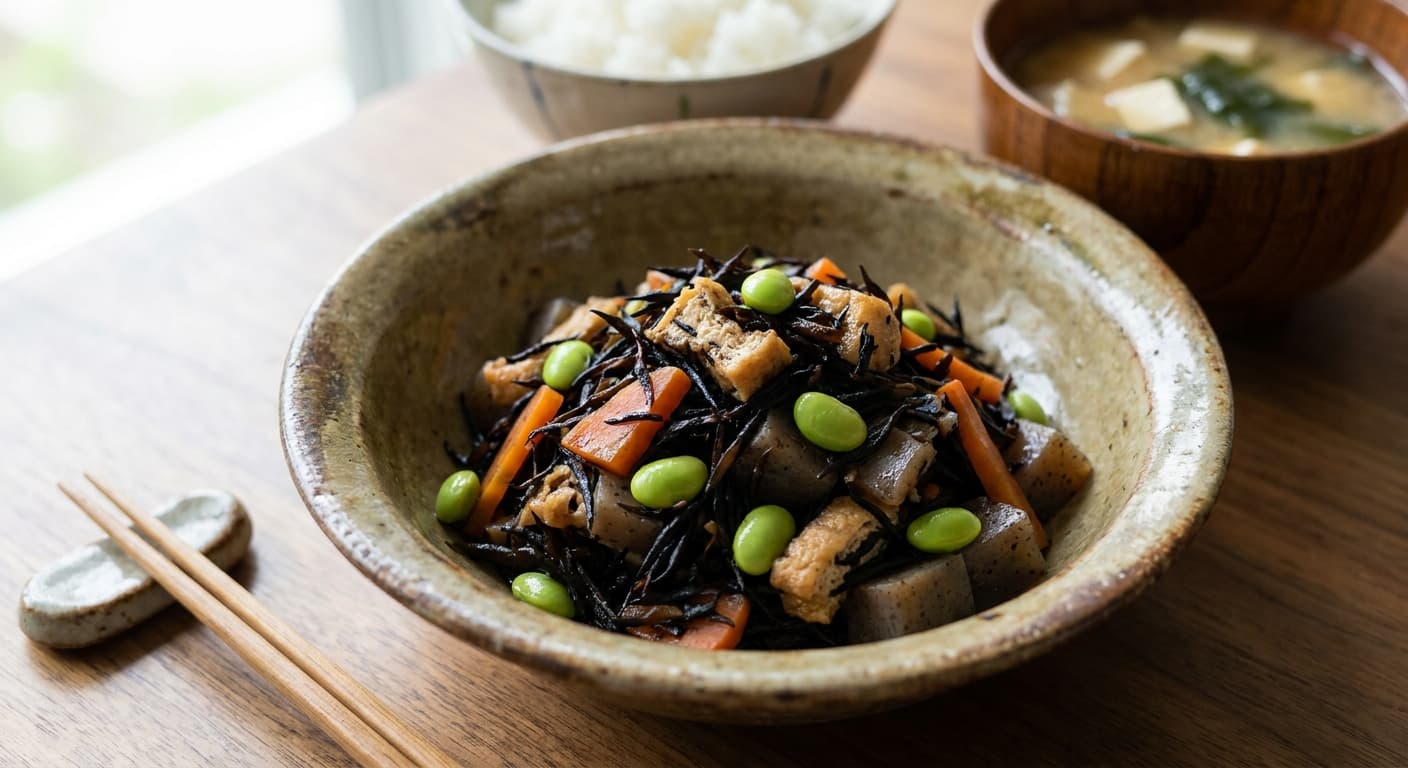 easy
Japanese · Side Dishes
Hijiki no Nimono (ひじきの煮物) — Savory Simmered Hijiki Seaweed
Hijiki no Nimono is a classic Japanese home-style side dish of rehydrated hijiki seaweed simmered with carrot, fried tofu, and soy-seasoned dashi. It is commonly served in small portions with rice, miso soup, and other everyday dishes.
43 min 4 150 cal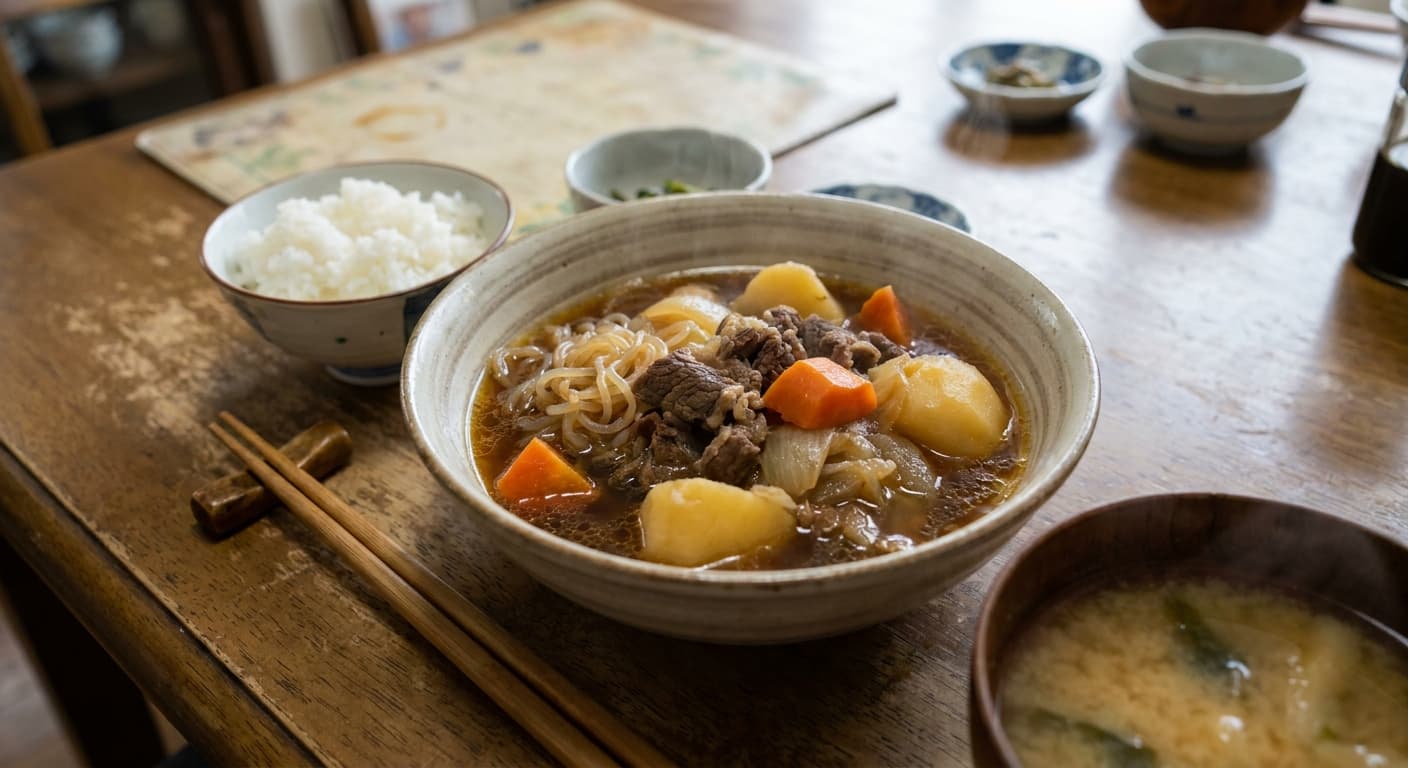 easy
Japanese · Stews
Nikujaga (肉じゃが) — Japanese Beef and Potato Stew
Nikujaga is a beloved Japanese home-style simmered dish of thin beef, potatoes, onions, and carrots in a sweet-savory dashi broth. It is everyday comfort food, closely tied to family cooking rather than restaurant formality.
55 min 4 405 cal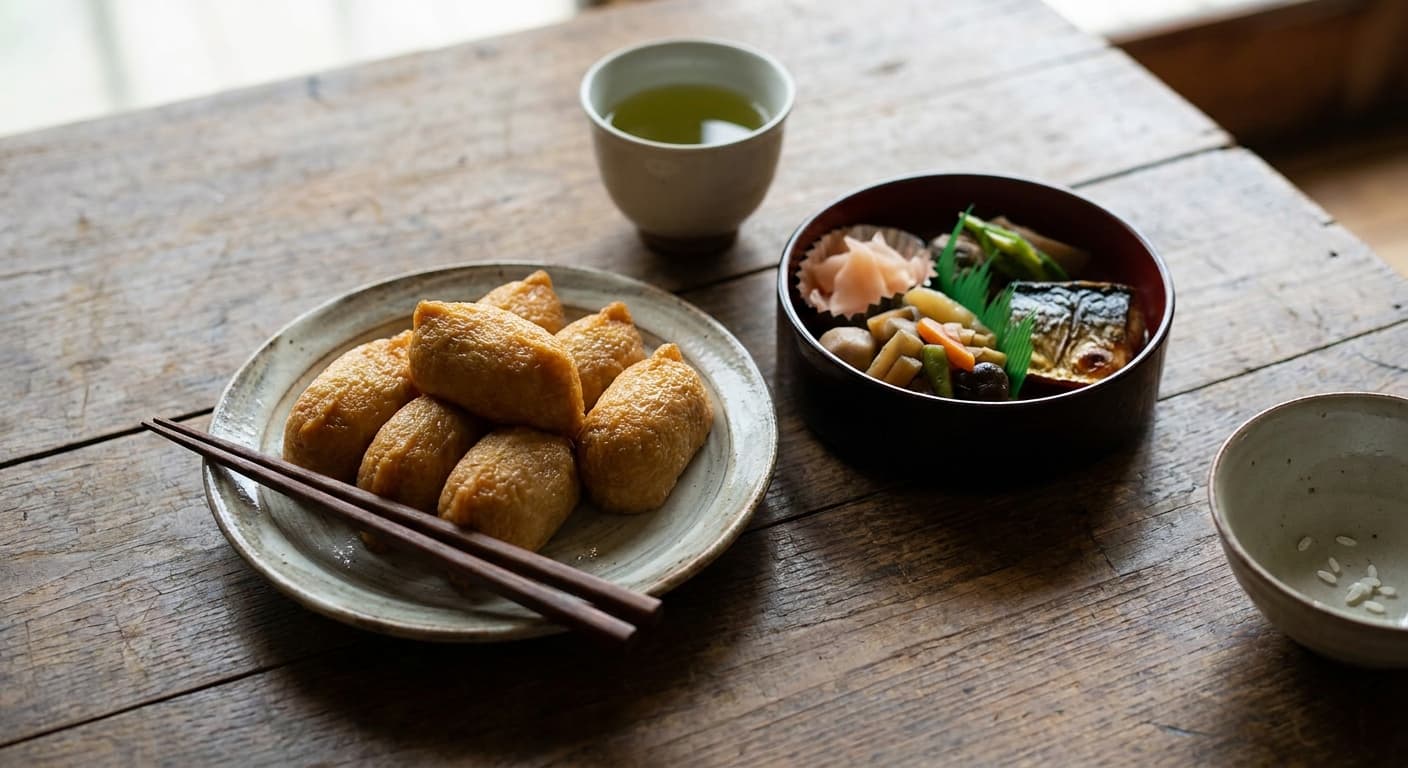 medium
Japanese · Rice Dishes
Inarizushi (稲荷寿司) — Sweet Tofu-Pocket Sushi
Inarizushi is a beloved Japanese home-style sushi made by filling sweet-simmered fried tofu pockets with seasoned rice. It is common in bento boxes, picnics, school lunches, and casual family gatherings.
80 min 4 535 cal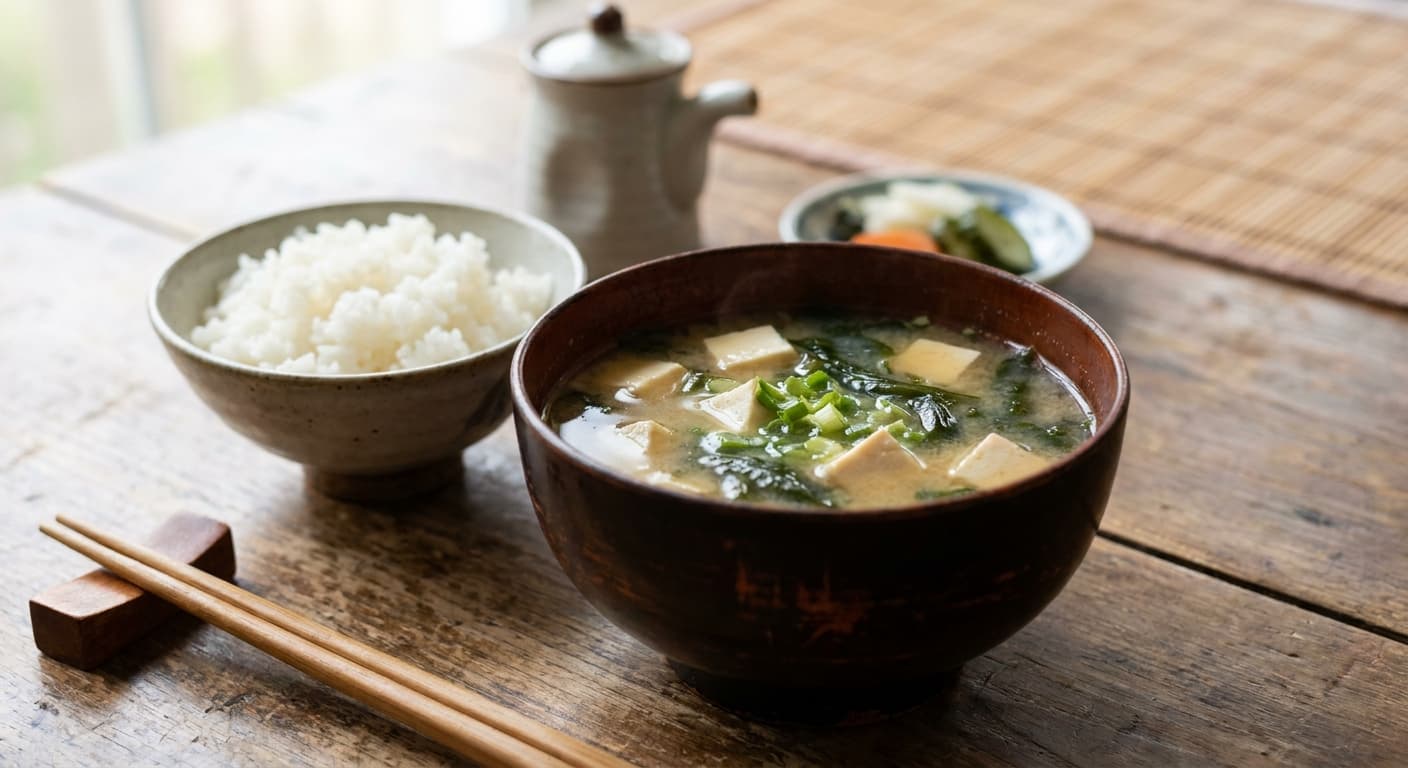 easy
Japanese · Soups
Misoshiru (味噌汁) — Classic Japanese Miso Soup with Tofu and Wakame
Misoshiru is the daily Japanese soup built on clear dashi and dissolved miso, often served with rice as part of ichiju-sansai. This version uses kombu, bonito flakes, tofu, wakame, and scallions for a deeply traditional bowl.
25 min 4 84 cal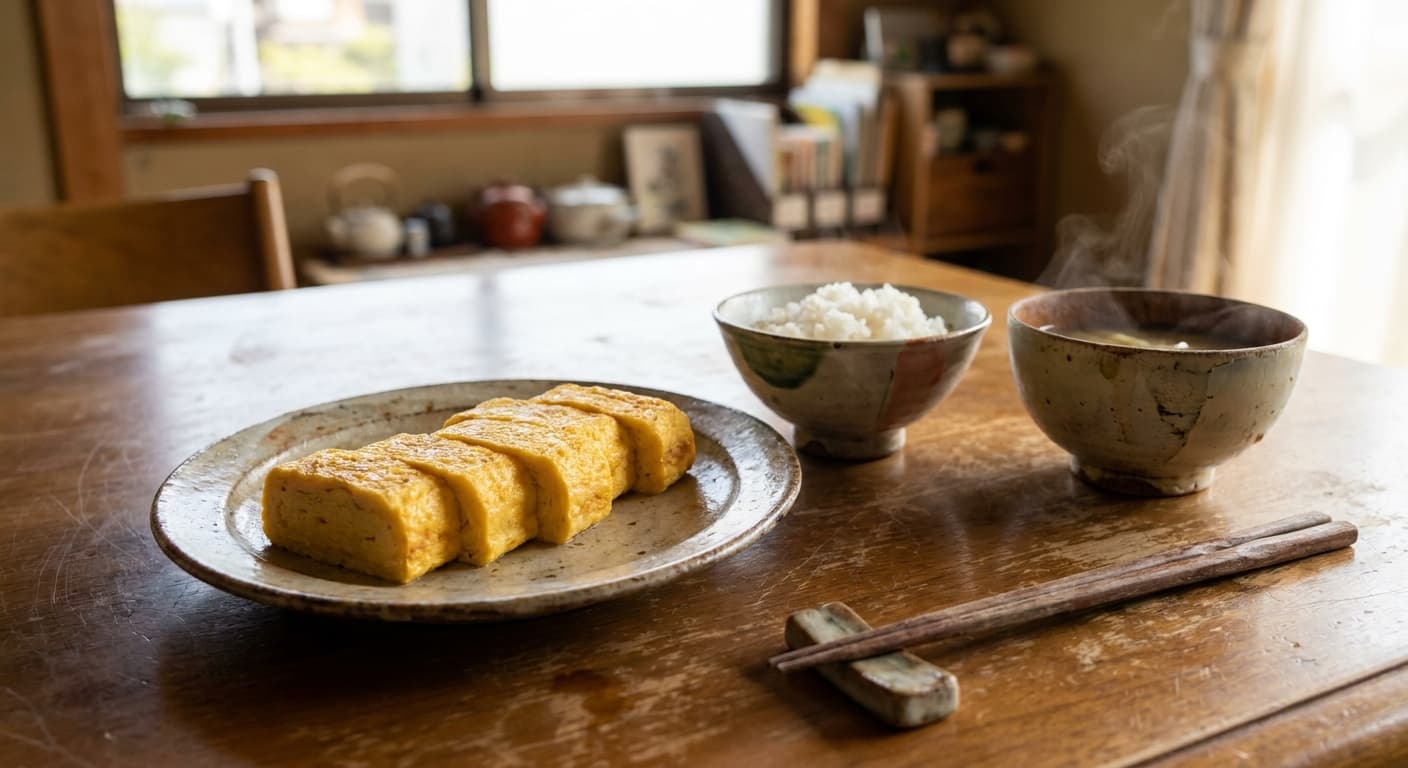 medium
Japanese · Side Dishes
Tamagoyaki (卵焼き) — Japanese Rolled Omelette
Tamagoyaki is a gently sweet, savory Japanese rolled omelette cooked in thin layers. It is a staple of home breakfasts, bento boxes, sushi counters, and New Year osechi ryori because it is simple, nourishing, and beautifully structured.
22 min 2 190 cal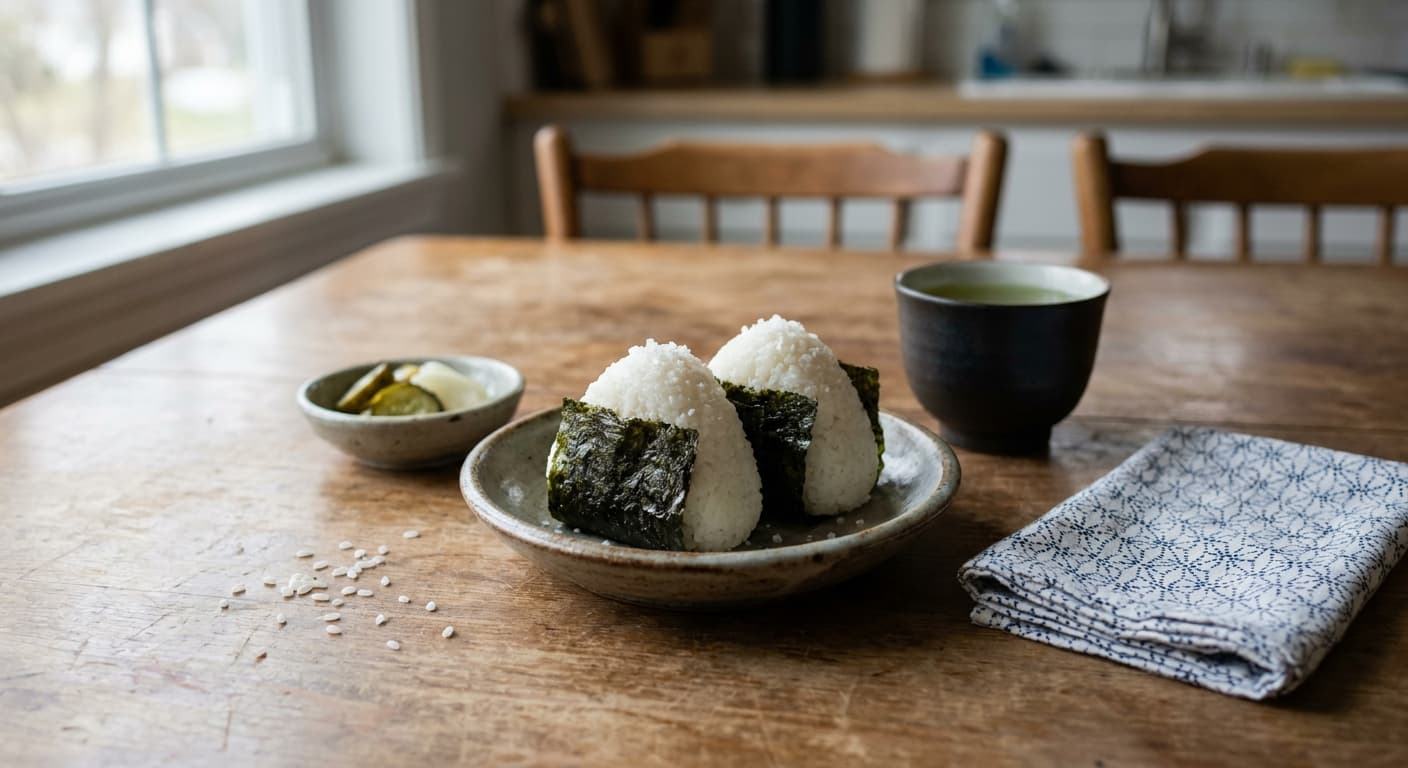 easy
Japanese · Rice Dishes
Salted Rice Balls (塩おにぎり) — Simple Japanese Hand-Pressed Rice
Shio onigiri is the most elemental form of Japanese rice ball: warm short-grain rice shaped by salted hands. It is everyday food for breakfasts, lunches, train trips, and obento, valued for clean rice flavor and careful technique.
65 min 4 322 cal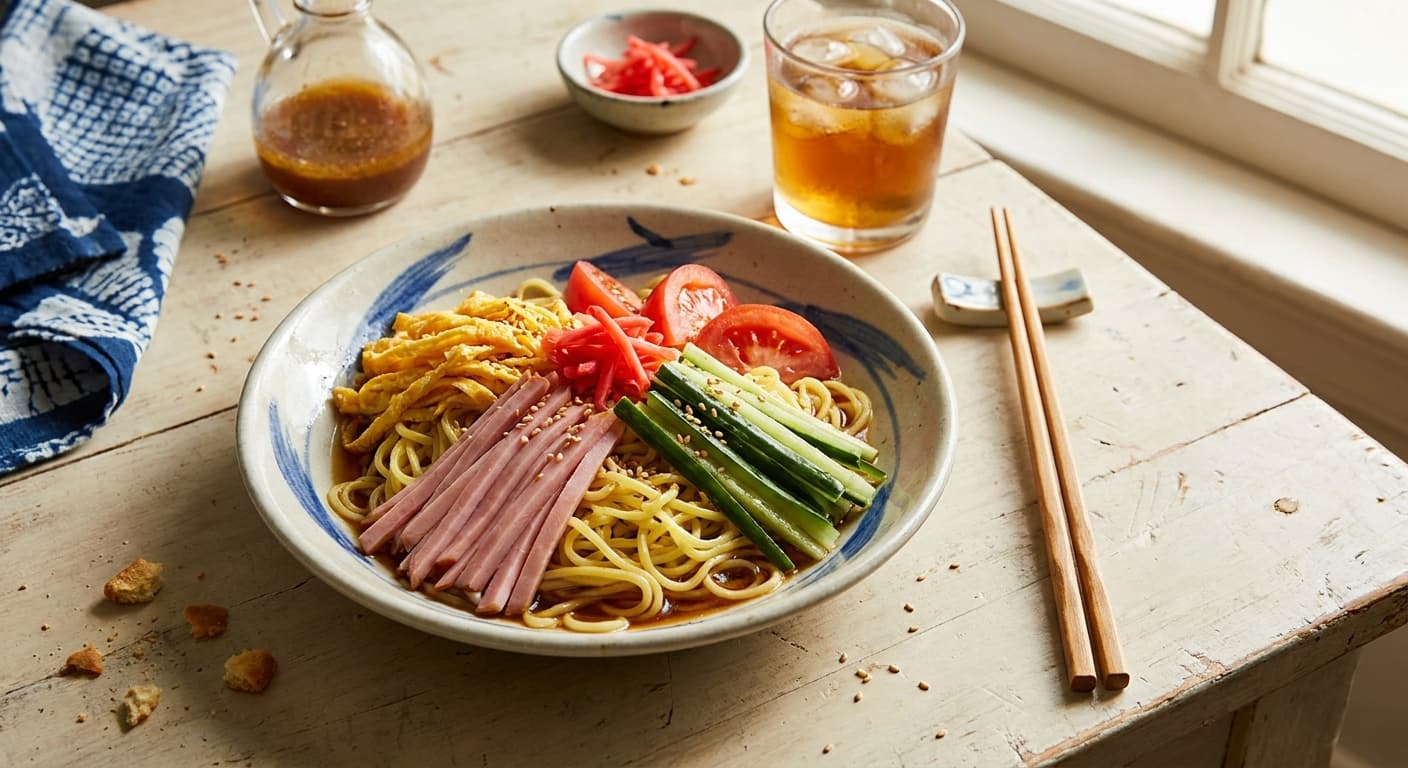 medium
Japanese · Main Courses
Hiyashi Chuka (冷やし中華) — Chilled Ramen Salad with Soy-Vinegar Dressing
Hiyashi chuka is a Japanese summer noodle dish of chilled ramen topped with colorful strips of egg, ham, cucumber, and tomato. Its bright soy-vinegar dressing makes it a refreshing home-style lunch in hot weather.
40 min 4 497 cal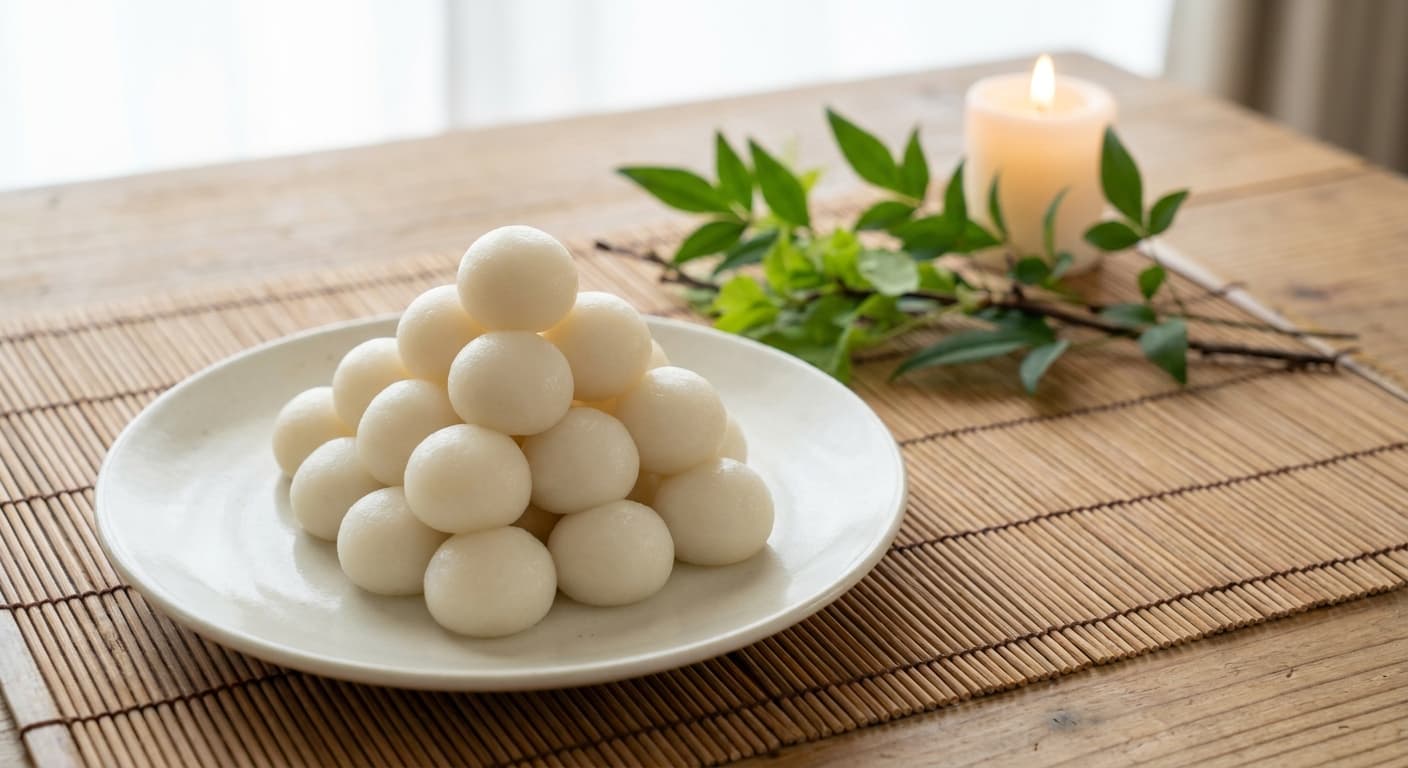 medium
Japanese · Desserts
Obon Dango (お盆団子) — Plain Rice Dumplings for Ancestral Offerings
Obon dango are simple Japanese rice dumplings prepared as offerings during the Obon season, when families welcome ancestral spirits home. They are usually plain, white, and modest, then eaten with sweet or savory accompaniments after offering.
37 min 6 162 cal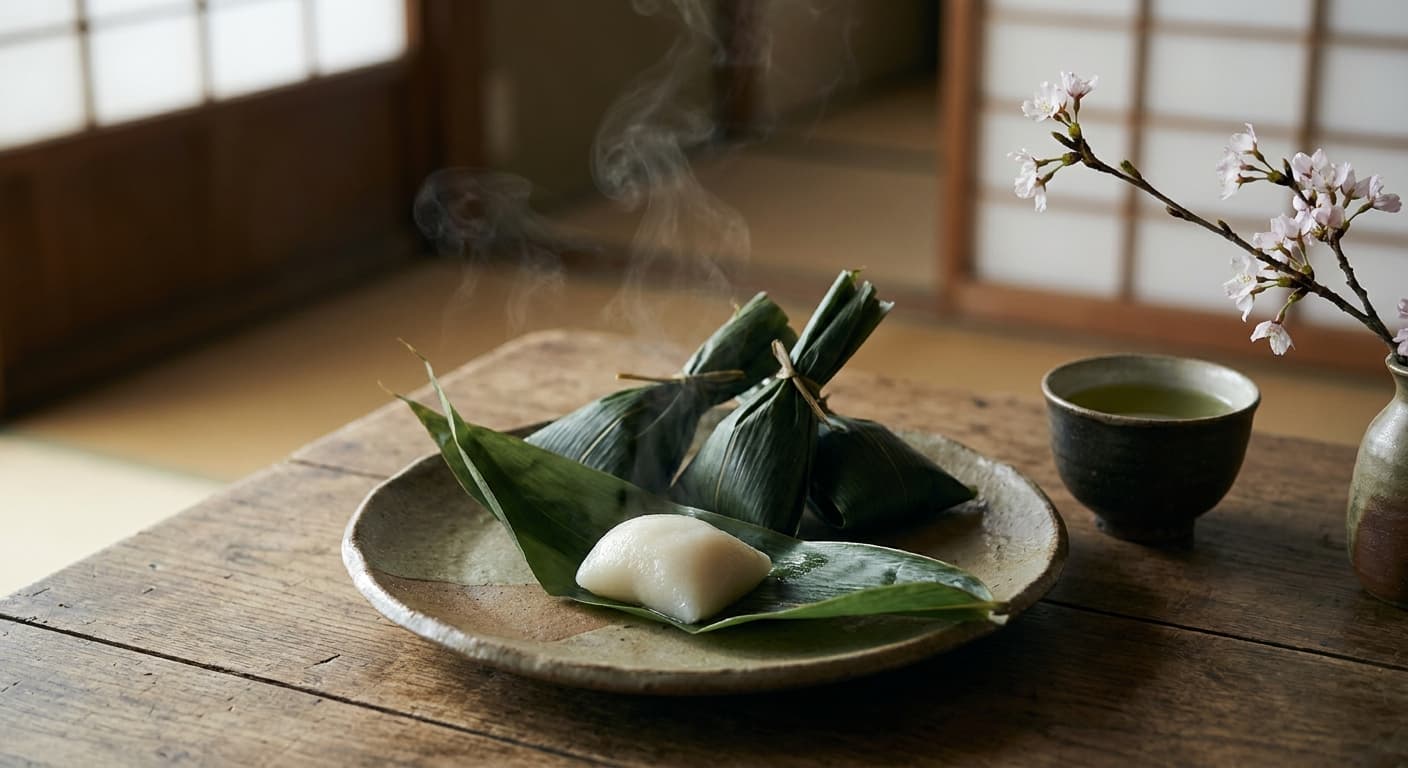 medium
Japanese · Desserts
Chimaki (粽) — Bamboo-Wrapped Sticky Rice Dumplings
Chimaki are Japanese bamboo-leaf-wrapped rice dumplings traditionally enjoyed around Tango-no-Sekku and Children’s Day. This sweet wagashi-style version has a supple mochi texture and a clean bamboo aroma.
95 min 8 140 cal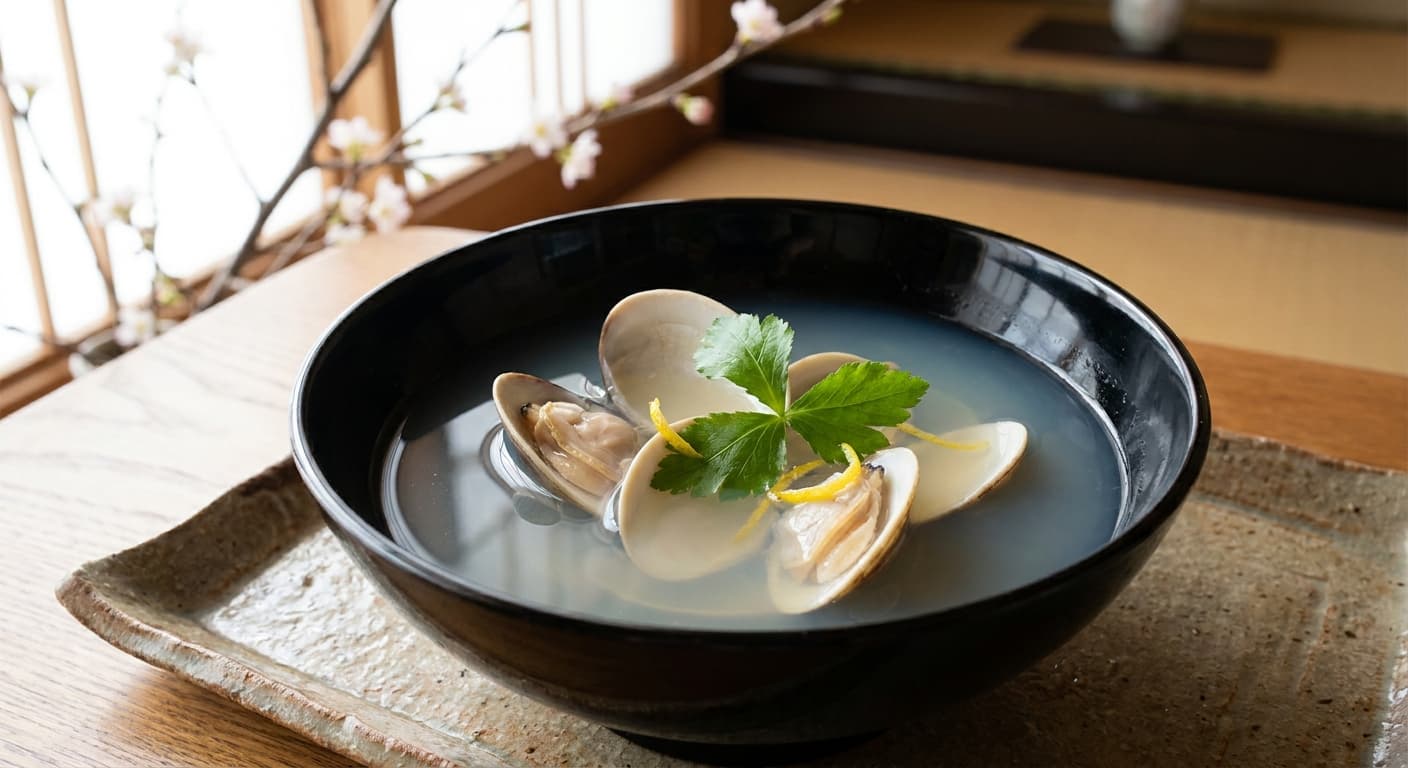 easy
Japanese · Soups
Hamaguri Ushio-jiru (蛤潮汁) — Japanese Clear Clam Soup
Hamaguri ushio-jiru is a refined Japanese clear soup made with clams, kombu, sake, and salt. It is especially associated with spring meals and Hinamatsuri, where paired clam shells symbolize harmony.
62 min 4 60 cal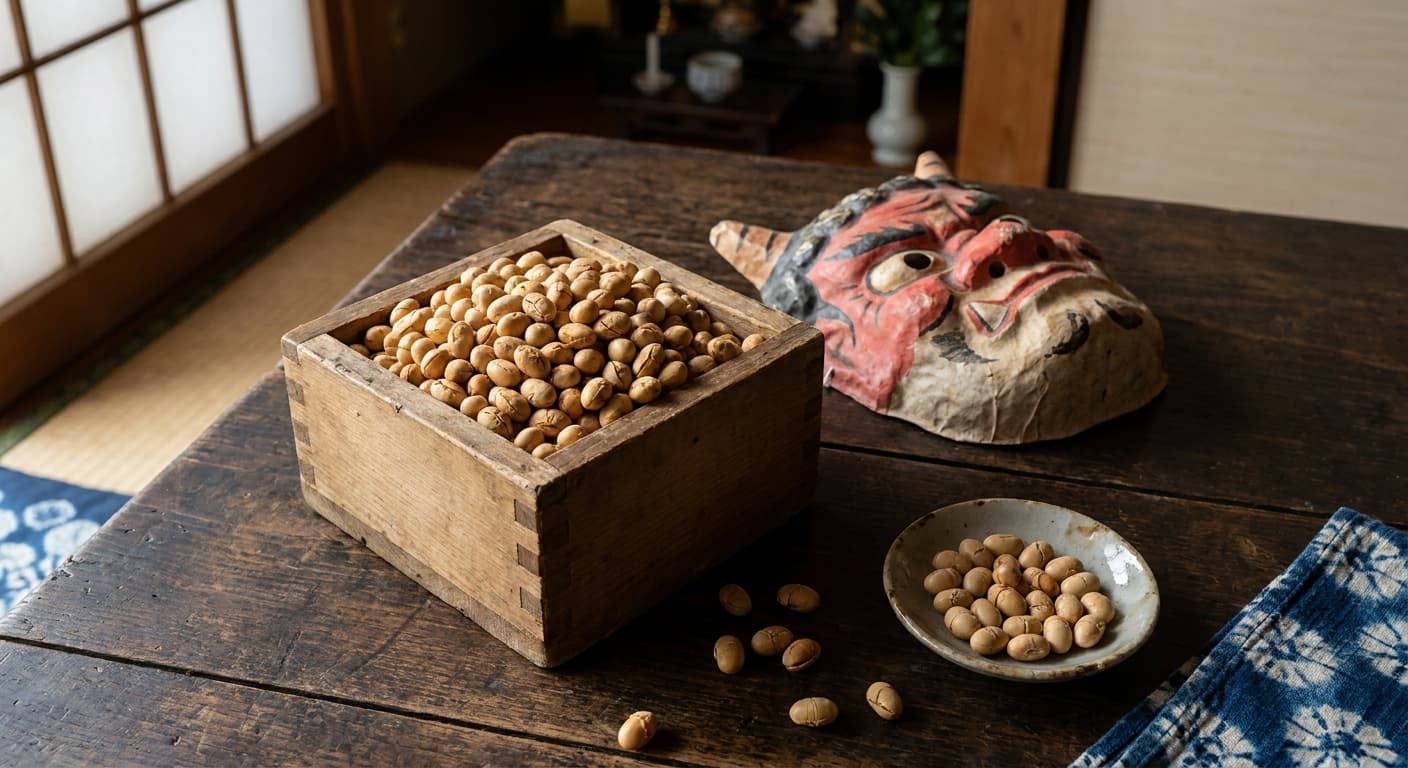 easy
Japanese · Side Dishes
Fukumame (福豆) — Roasted Soybeans for Setsubun
Fukumame are crisp roasted soybeans used in Japan's Setsubun bean-throwing ritual and eaten for good fortune. This simple preparation highlights the nutty sweetness of soybeans without oil or seasoning.
85 min 8 111 cal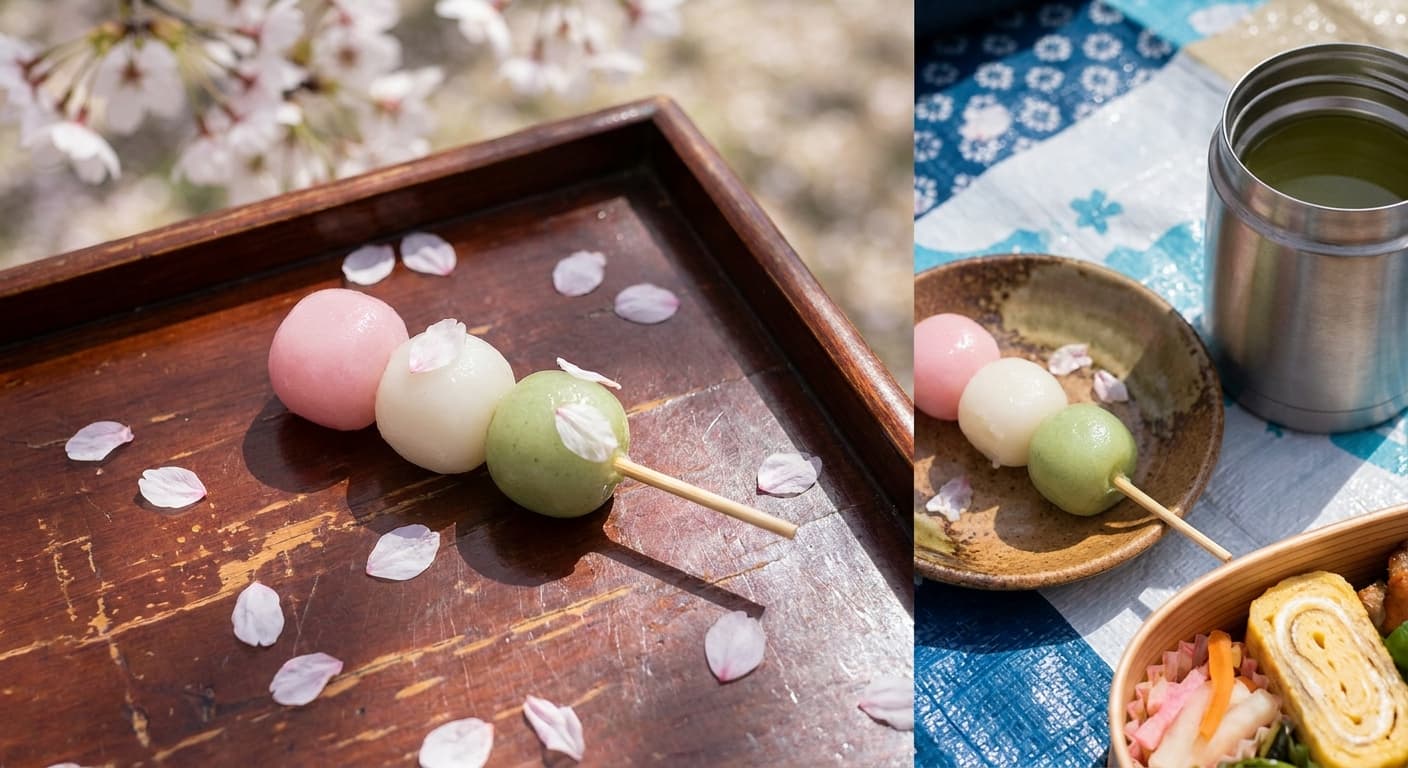 medium
Japanese · Desserts
Hanami Dango (花見団子) — Three-Color Cherry Blossom Rice Dumplings
Hanami dango are soft, chewy three-color rice dumplings served during Japanese cherry-blossom viewing. Pink, white, and green symbolize spring color, purity, and fresh growth.
45 min 8 183 cal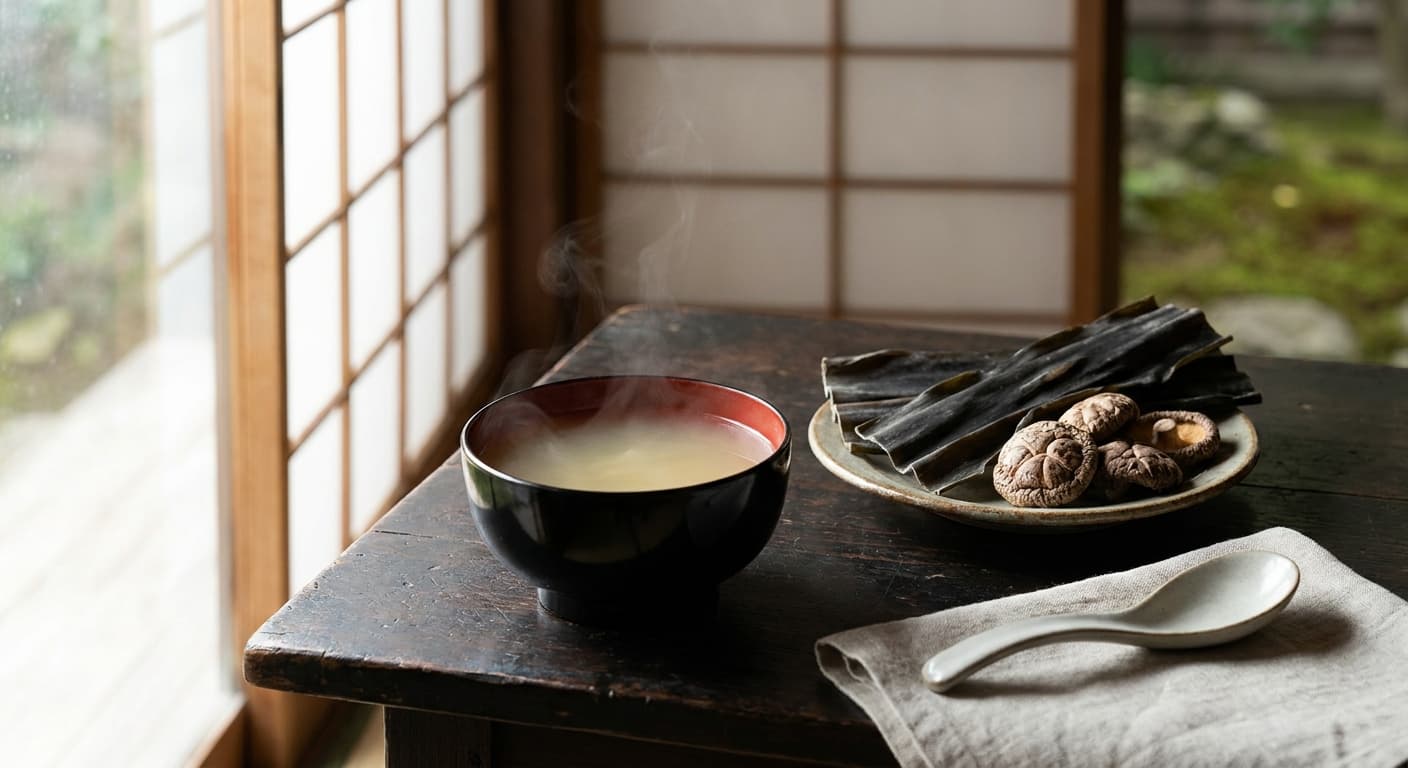 easy
Japanese · Soups
Shojin Ryori Dashi (精進料理だし) — Buddhist Temple Kombu-Shiitake Stock
Shojin ryori dashi is the plant-based foundation of Japanese Buddhist temple cooking. Kombu and dried shiitake create a clear, elegant stock rich in natural umami without bonito, meat, or fish.
25 min 4 20 cal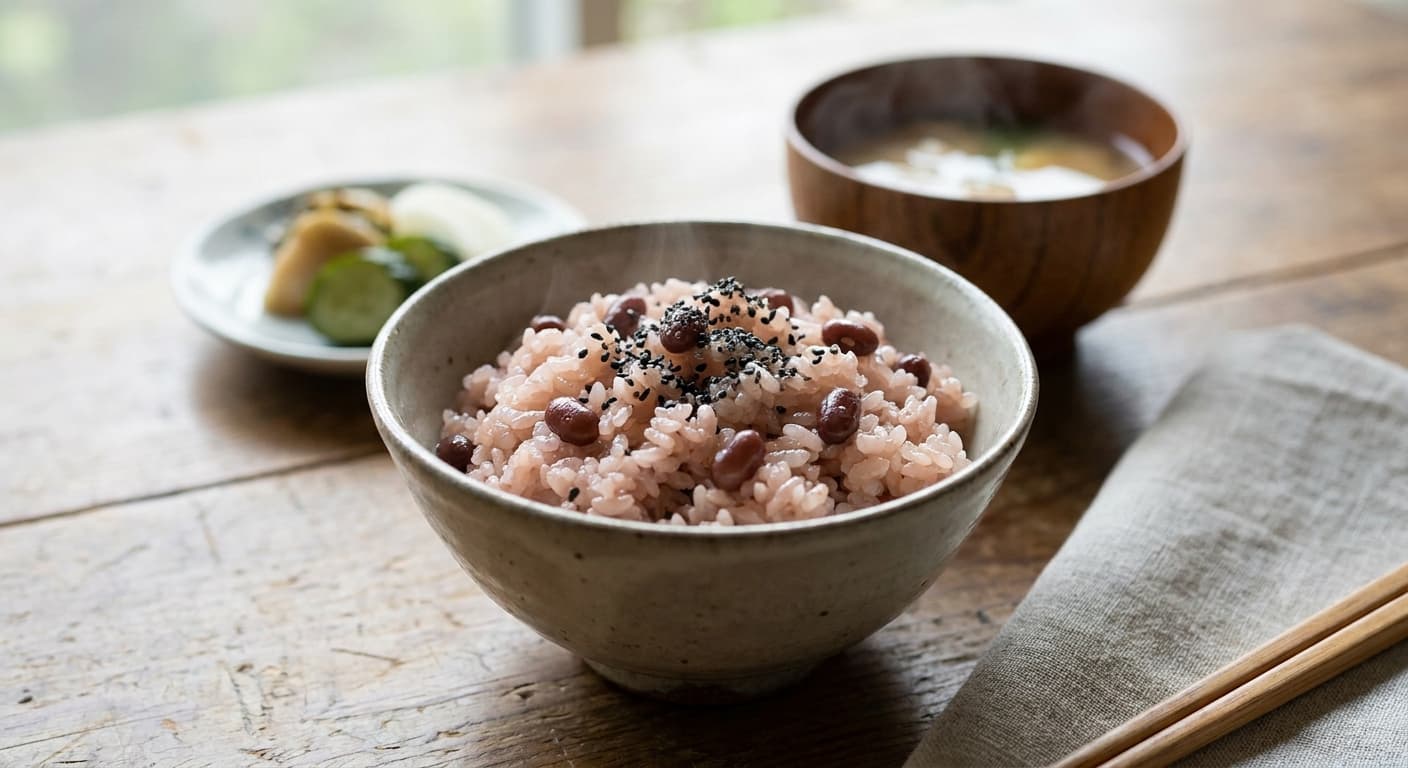 medium
Japanese · Main Courses
Sekihan (赤飯) — Japanese Red Bean Celebration Rice
Sekihan is a festive Japanese dish of glutinous rice tinted red by azuki beans. Its auspicious color makes it a classic for weddings, birthdays, school milestones, and New Year gatherings.
105 min 6 340 cal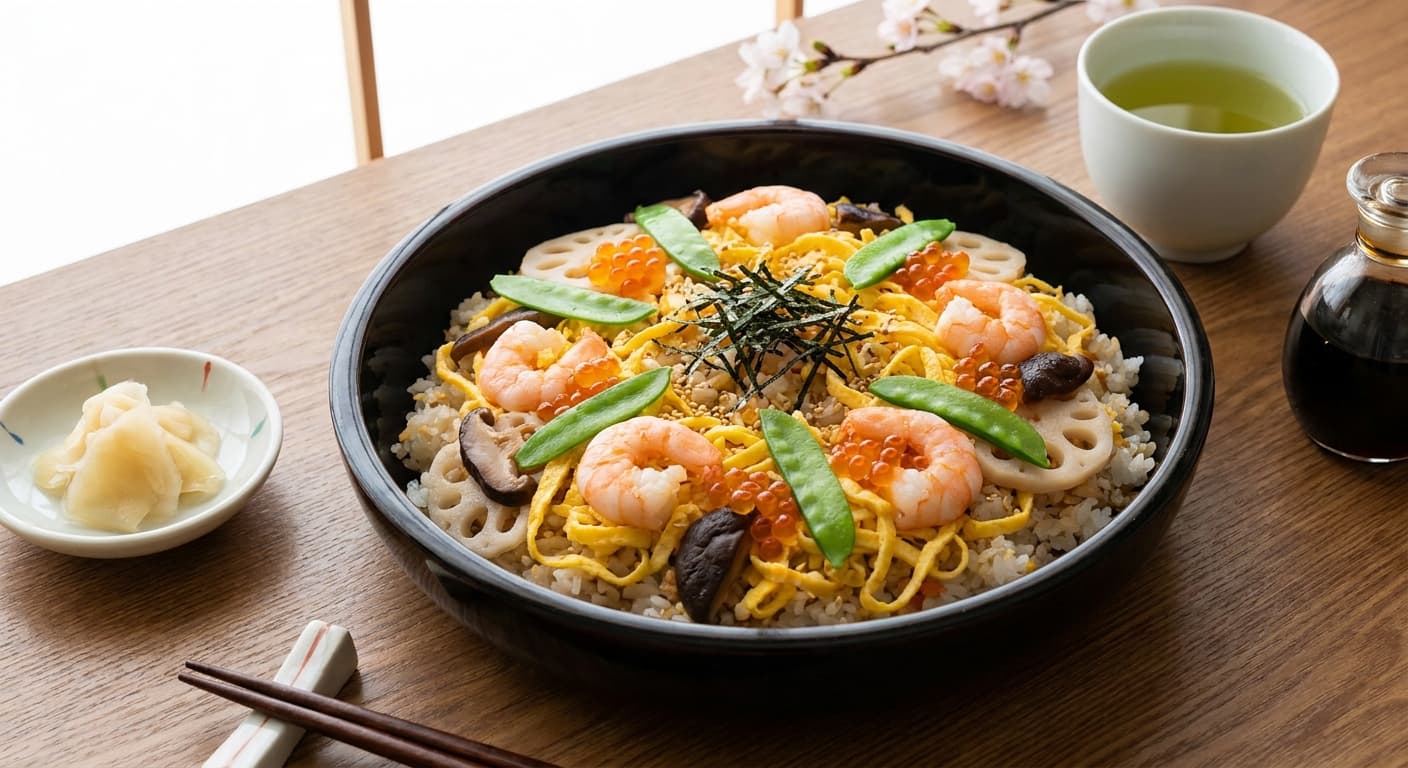 medium
Japanese · Main Courses
Chirashi-zushi (ちらし寿司) — Scattered Sushi Rice with Colorful Toppings
Chirashi-zushi is a Japanese scattered sushi served in a bowl or lacquer box, with seasoned rice and bright toppings. This home-style version is especially associated with festive meals and Hinamatsuri.
95 min 4 625 cal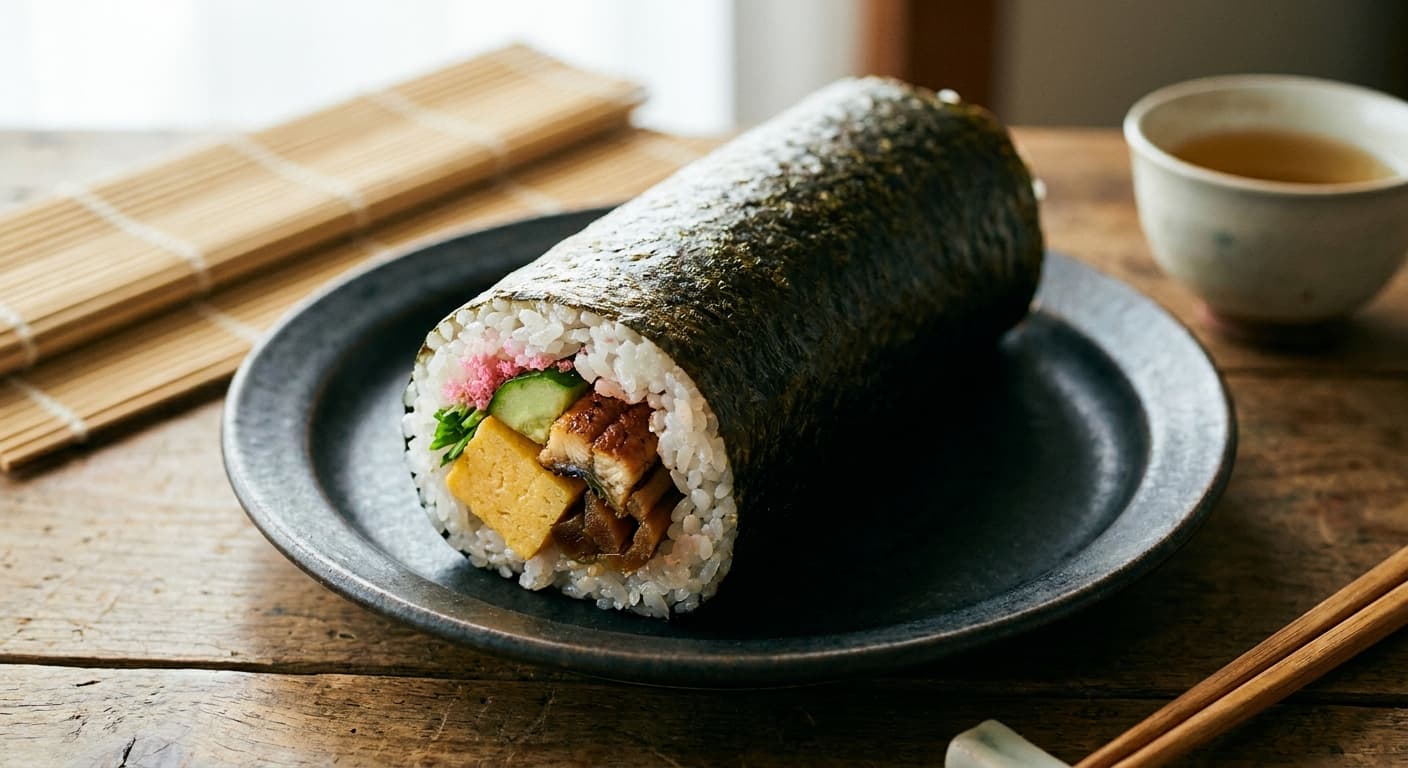 medium
Japanese · Main Courses
Ehomaki (恵方巻き) — Setsubun Good-Fortune Sushi Roll
Ehomaki is a thick, uncut sushi roll eaten during Japan's Setsubun observance for good fortune. This version uses seven classic fillings, echoing the Seven Lucky Gods tradition associated with the roll.
90 min 4 630 cal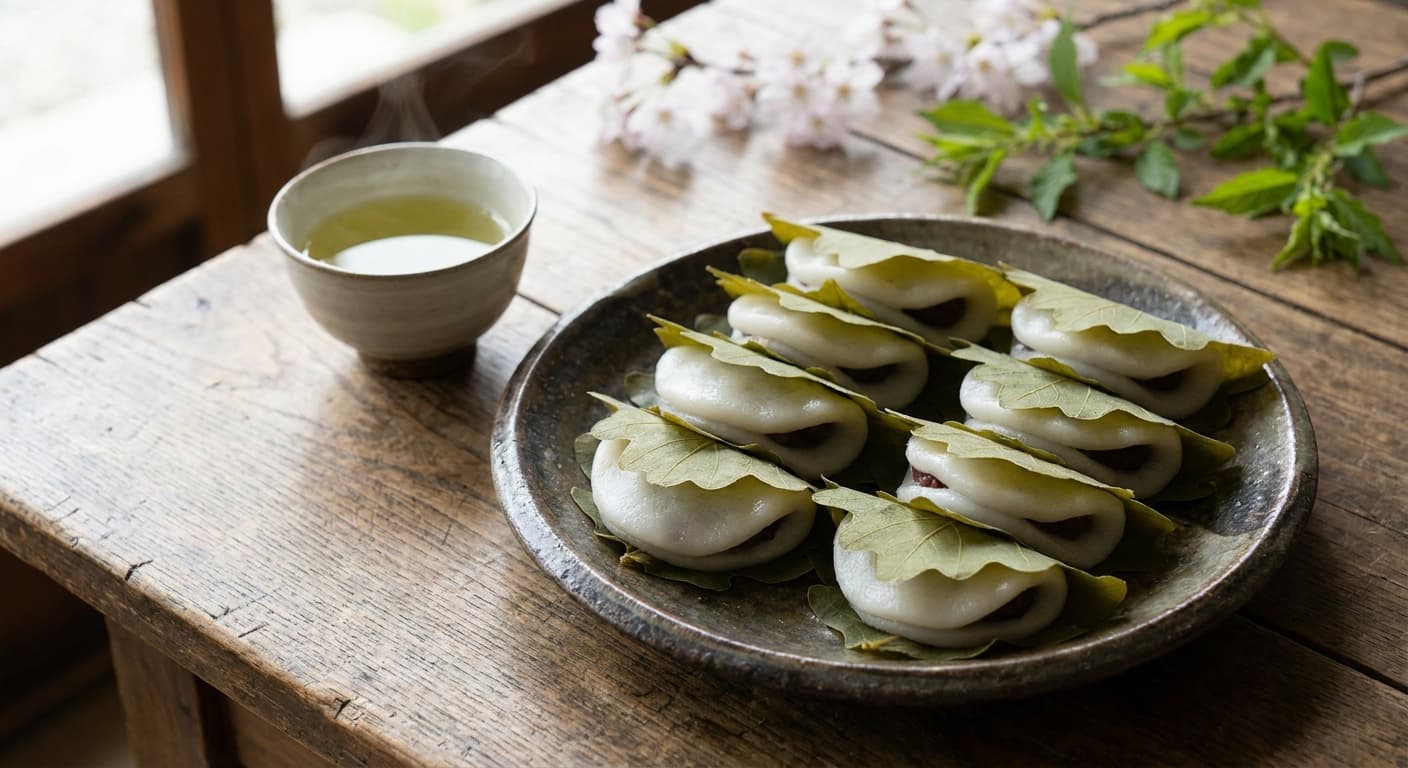 medium
Japanese · Desserts
Kashiwa Mochi (柏餅) — Oak Leaf-Wrapped Rice Cakes for Children's Day
Kashiwa mochi is a Japanese wagashi made from smooth rice dough folded around sweet red bean paste and wrapped in an aromatic oak leaf. It is closely associated with Children's Day in early May.
60 min 8 222 cal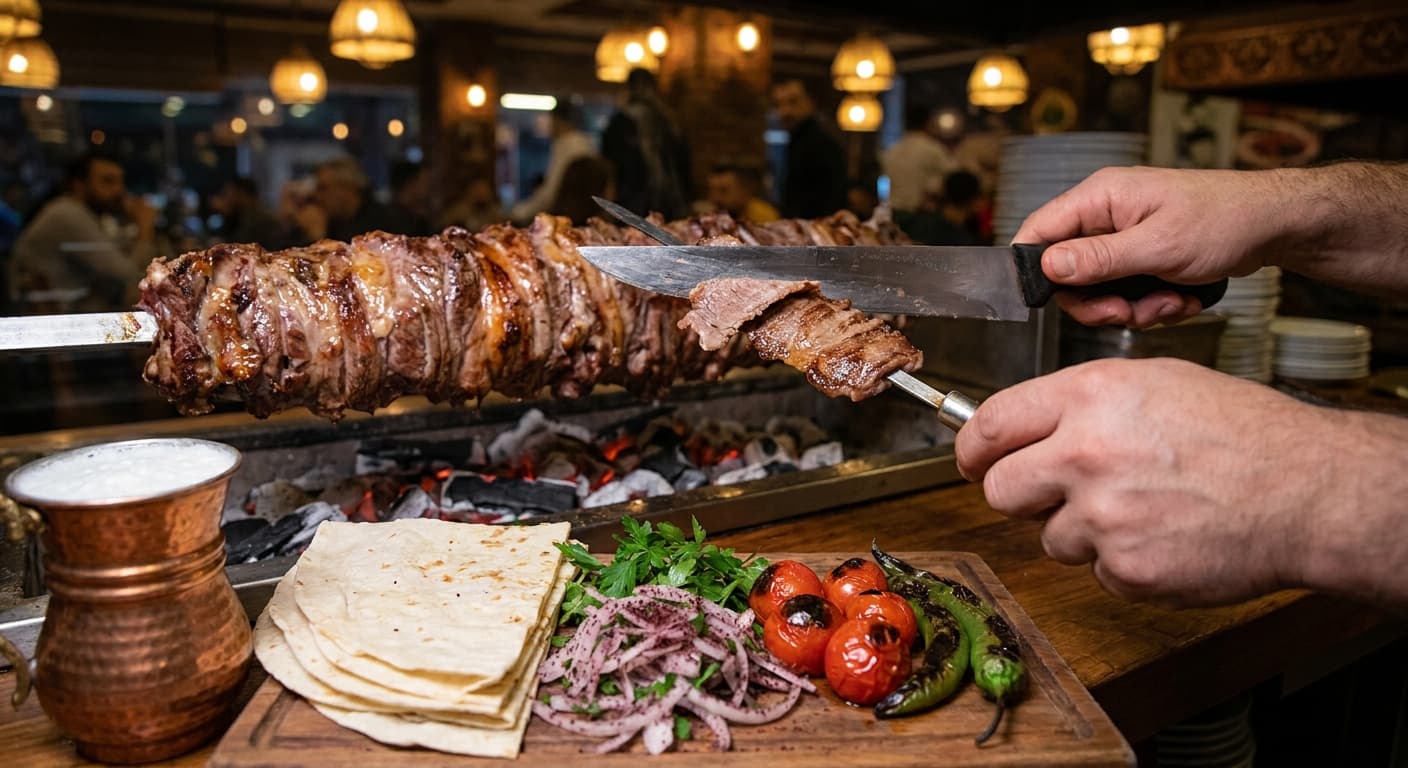 hard
Turkish · Kebabs
Turkish Cağ Kebab (Cağ Kebabı) — Erzurum Slow-Roasted Charcoal Lamb Skewer
Cağ Kebab is Erzurum’s iconic lamb, stacked on a horizontal spit and slow-roasted over charcoal, then shaved onto small skewers. This version keeps the traditional onion-yogurt marinade and the signature smoky, juicy slices served with lavash and sumac onion.
160 min 6 610 cal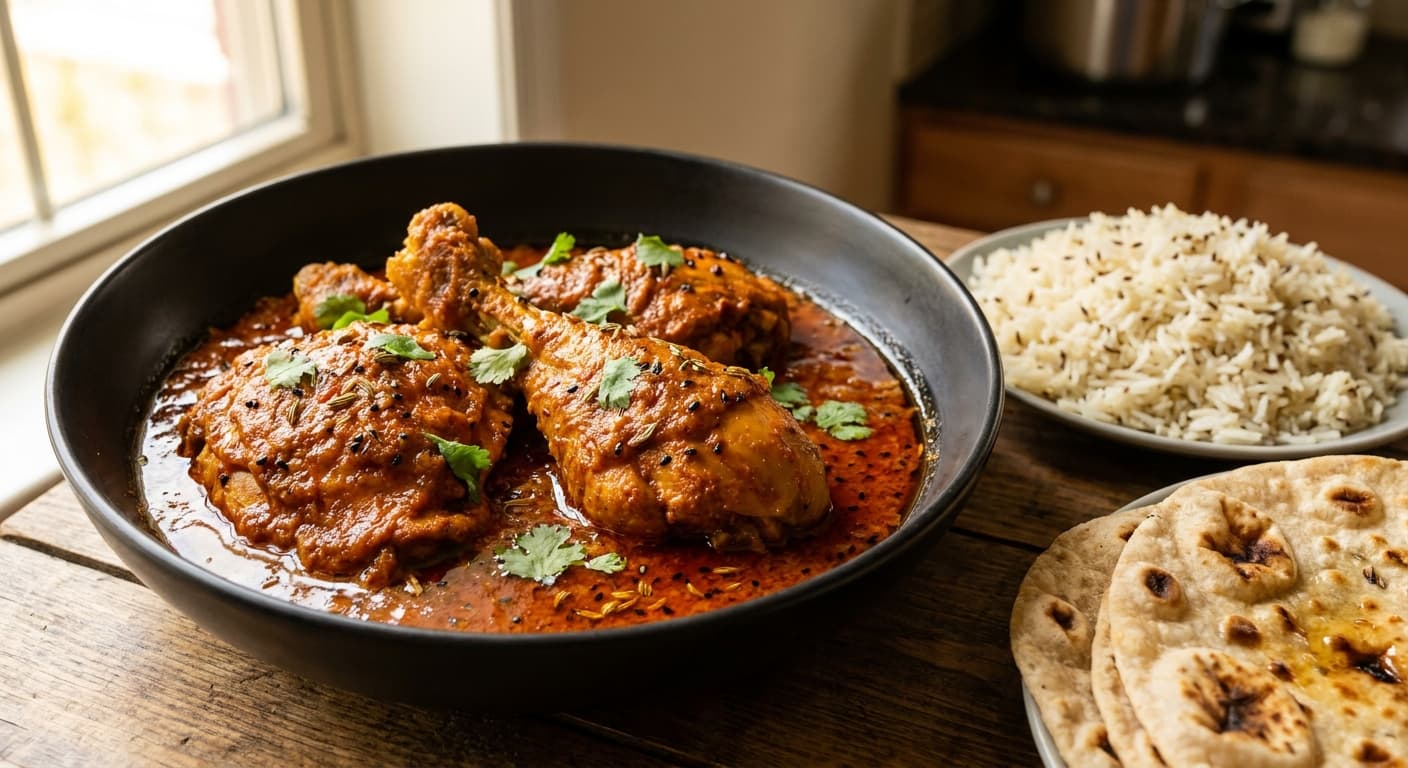 medium
Indian · Stews
Indian Achari Murgh (अचारी मुर्ग) — Pickle-Spiced Punjabi Chicken Curry with Whole Spices
Achari Murgh is a Punjabi-style chicken curry inspired by North Indian pickles, built on mustard oil, fennel, and nigella. Whole spices are bloomed, then chicken simmers in a tangy tomato-yogurt gravy for a bold, homestyle finish.
80 min 4 520 cal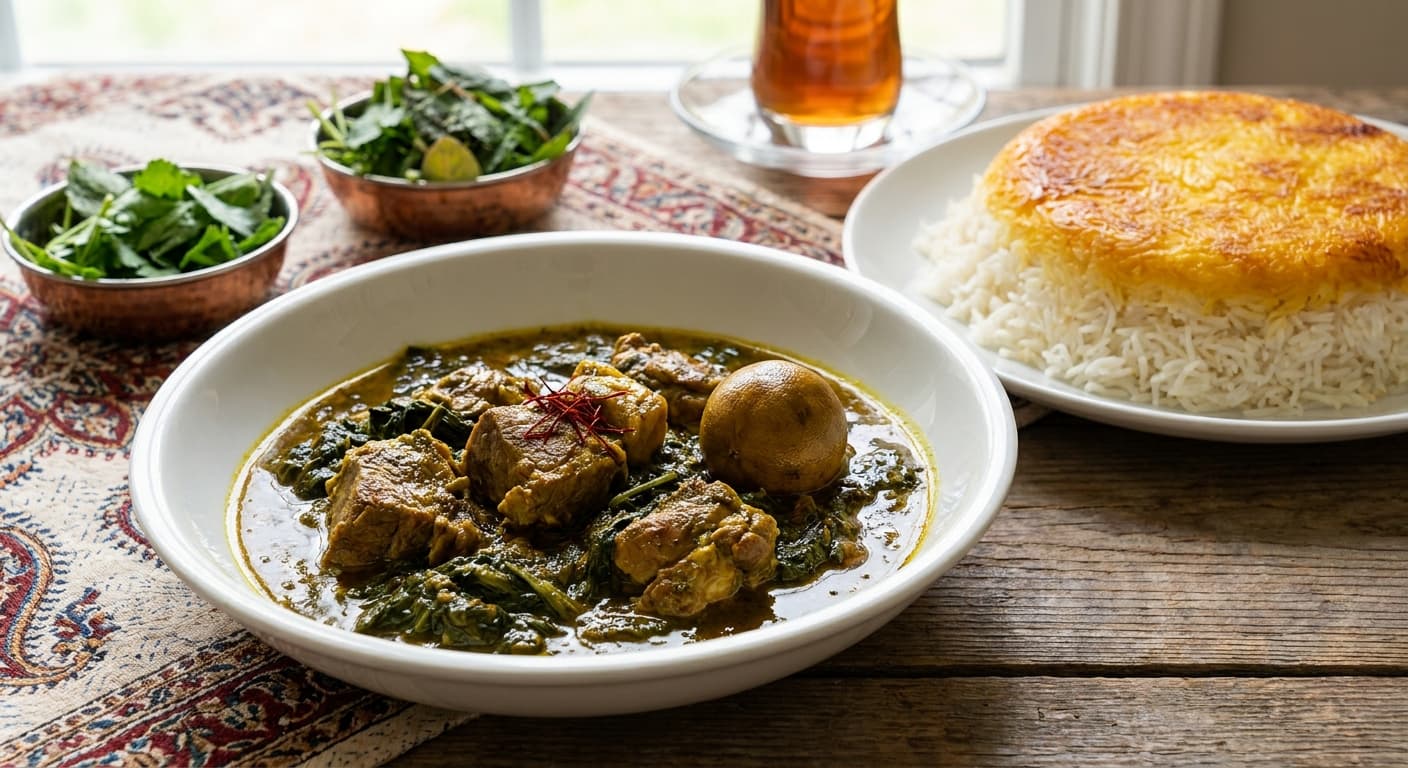 medium
Persian · Stews
Persian Khoresht Saak (خورش ساک) — Saffron-Cardamom Lamb Stew with Saak Greens
Khoresht Saak is a fragrant Persian lamb stew built on saffron, cardamom, and slow-cooked greens. It’s served family-style over chelow, where the aromatic broth soaks into the rice like a classic Iranian khoresh.
145 min 6 520 cal